Comprehensive Handbook on Purchasing High-Density Polyethylene Pond Liners
Blog · 2026-11-10 · 0 views
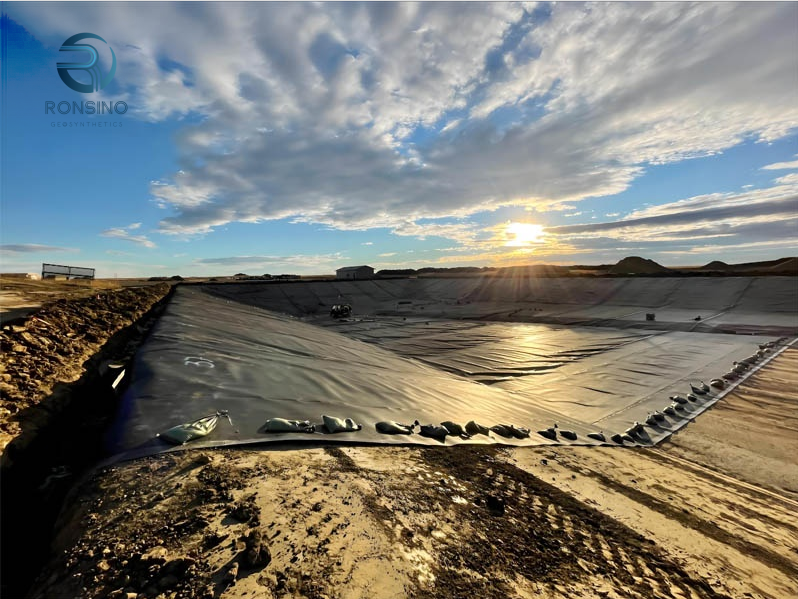
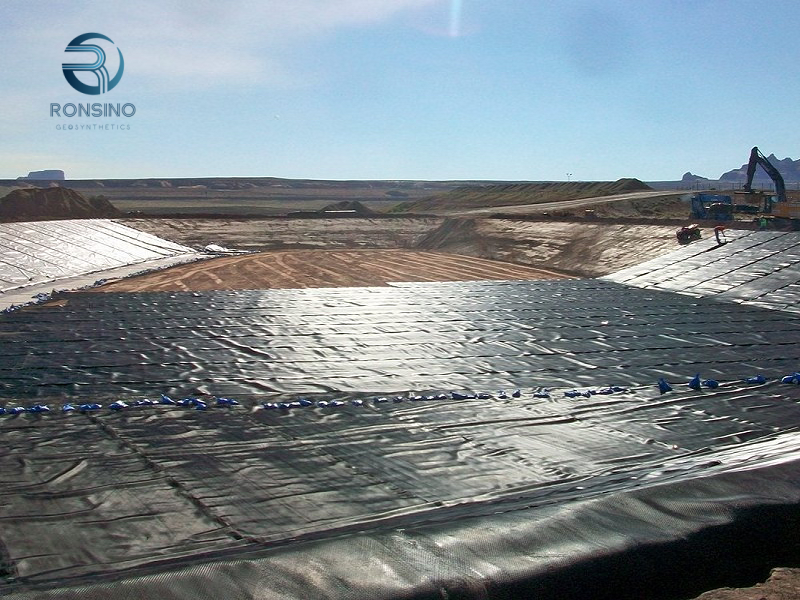
When building a reservoir, it is crucial to choose a suitable anti-seepage layer. High-density polyethylene (HDPE) anti-seepage membrane is the most preferred because it is durable, economical and environmentally friendly. This guide is designed to provide you with the key information you need to purchase a high-quality HDPE barrier membrane.
1. What Is an HDPE Pond Liner?
When building a reservoir, it is crucial to choose a suitable anti-seepage layer. High-density polyethylene (HDPE) anti-seepage membrane is the most preferred because it is durable, economical and environmentally friendly. This guide is designed to provide you with the key information you need to purchase a high-quality HDPE barrier membrane.
When building a reservoir, it is crucial to choose a suitable anti-seepage layer. High-density polyethylene (HDPE) anti-seepage membrane is the most preferred because it is durable, economical and environmentally friendly. This guide is designed to provide you with the key information you need to purchase a high-quality HDPE barrier membrane.
1.1 How Is It Made?
High-density polyethylene (HDPE) liners are produced using an extrusion process. Raw HDPE resin pellets are melted and forced through a flat die to form a continuous sheet. The sheet is then cooled, rolled and cut to meet specific size requirements. Some pads have a smooth surface, while others have a textured structure to improve friction on slopes.
2. Why Choose HDPE Over Other Pond Liners?
The market offers a variety of pond lining materials, including PVC (Polyvinyl Chloride), EPDM (synthetic rubber), RPE (Reinforced Polyethylene), and HDPE. Among these options, HDPE frequently stands out as the superior choice.
2.1 Superior Chemical Resistance
The market offers a variety of pond lining materials, including PVC (Polyvinyl Chloride), EPDM (synthetic rubber), RPE (Reinforced Polyethylene), and HDPE. Among these options, HDPE frequently stands out as the superior choice.
2.2 High Tensile Strength
The market offers a variety of pond lining materials, including PVC (Polyvinyl Chloride), EPDM (synthetic rubber), RPE (Reinforced Polyethylene), and HDPE. Among these options, HDPE frequently stands out as the superior choice.
2.3 UV Resistance
The vast majority of high-density polyethylene (HDPE) pond liners sold on the market contain carbon black as a UV stabilizer. This additive effectively resists damage from sunlight, preventing the material from degrading due to UV exposure and ensuring a service life of 20 to 50 years in outdoor environments.
2.4 Cost Effectiveness
Although the initial investment might marginally exceed that of PVC, the extended durability and minimal upkeep requirements render HDPE more economical in the long run. Its robust construction ensures that frequent replacements become unnecessary, eliminating the recurring expenses associated with shorter-lived alternatives.
2.5 Environmentally Safe
High-density polyethylene (HDPE) is considered safe for contact with potable water after it has completely hardened. This material is frequently selected for constructing storage tanks intended for drinking water as well as aquatic environments like fishponds, owing to its ability to prevent the release of any detrimental chemicals into the water.
3. Common Applications of HDPE Pond Liners
High-density polyethylene pond liners are utilized across a wide variety of environments. Understanding these diverse uses can assist you in selecting the appropriate gauge and dimensions tailored to your specific undertaking.
3.1 Agricultural Ponds
Agricultural professionals employ these structures to secure water reserves for crop hydration, provide drinking sources for cattle, and establish environments for aquatic farming such as pisciculture or crustacean cultivation. The impermeable barrier maintains water purity and inhibits depletion via underground filtration.
3.2 Decorative and Garden Ponds
Property owners and garden specialists utilize HDPE membranes to construct stunning aquatic features such as private garden ponds, cascading waterfalls, and meandering streams. The deep hue provides an authentic appearance while ensuring exceptional water retention capabilities.
3.3 Industrial and Mining
In mining operations, high-density polyethylene (HDPE) is widely used for lining tailings storage facilities, heap leach pads, and process solution ponds. The material's resistance to chemical corrosion is critical in such applications.
3.4 Landfill and Waste Containment
Municipal landfills utilize high-density polyethylene (HDPE) geomembranes as bottom liners to prevent leachate from contaminating groundwater. This same principle also applies to storage basins for hazardous waste.
3.5 Fire Protection Reservoirs
Countless agricultural estates maintain a specialized reservoir to serve as an emergency water supply for firefighting operations. A high-density polyethylene lining guarantees the water remains consistently accessible throughout all seasons.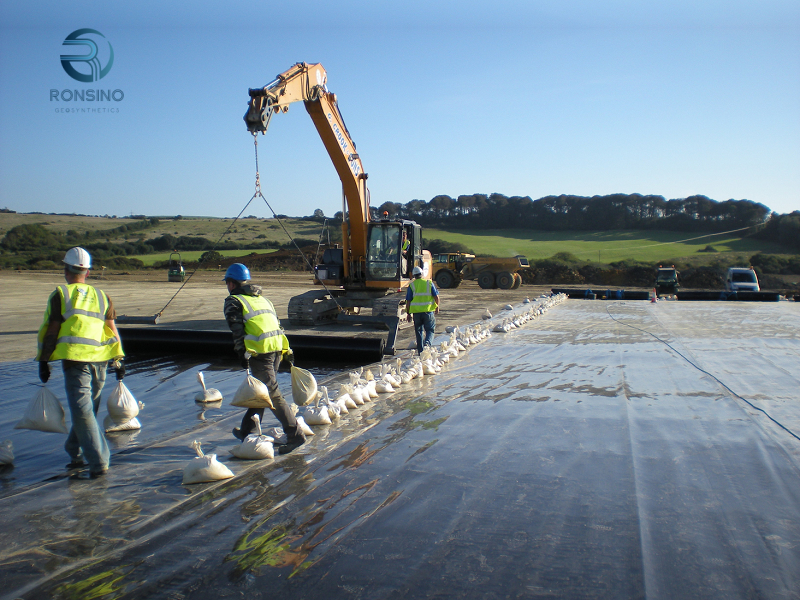
4. How to Choose the Right HDPE Pond Liner for Sale
When selecting a high-density polyethylene pond liner, you will encounter numerous alternatives. Resist the temptation to merely choose the most economical selection. Evaluate these critical elements.
4.1 Thickness (Mil or mm)
Thickness is measured in mils (1 mil = 0.0254 mm) or millimeters. Common thicknesses range from 0.5 mm (20 mil) to 2.5 mm (100 mil).
0.5 – 0.75 mm: Suitable for small decorative ponds with soft, rock-free soil.
1.0 – 1.5 mm: The most popular choice for general use, including fish ponds and irrigation reservoirs.
2.0 mm and above: Recommended for mining, industrial waste, or any site with sharp rocks or heavy equipment traffic.
4.2 Sheet Size
Producers manufacture HDPE membranes in coils spanning up to seven meters in breadth and exceeding one hundred meters in length. When constructing substantial aquatic habitats, broader panels result in reduced junction points. Minimized junctions consequently diminish the likelihood of seepage occurrences.
4.3 Smooth vs. Textured
Smooth liner: Cheaper and easier to install. Ideal for flat or gently sloping bottoms.
Textured liner: Has a rough surface on one or both sides. It increases friction, preventing the liner from sliding down steep slopes. Use textured if your pond bank has an angle greater than 1:3.
4.4 Color
The deep hue of black is the conventional choice for pond liners, as its ability to absorb solar radiation effectively inhibits the proliferation of algae. While lighter shades such as pale grey or muted green are occasionally utilized for aesthetic purposes in ornamental water features, they typically command a higher price point without providing any functional benefits over the traditional black option.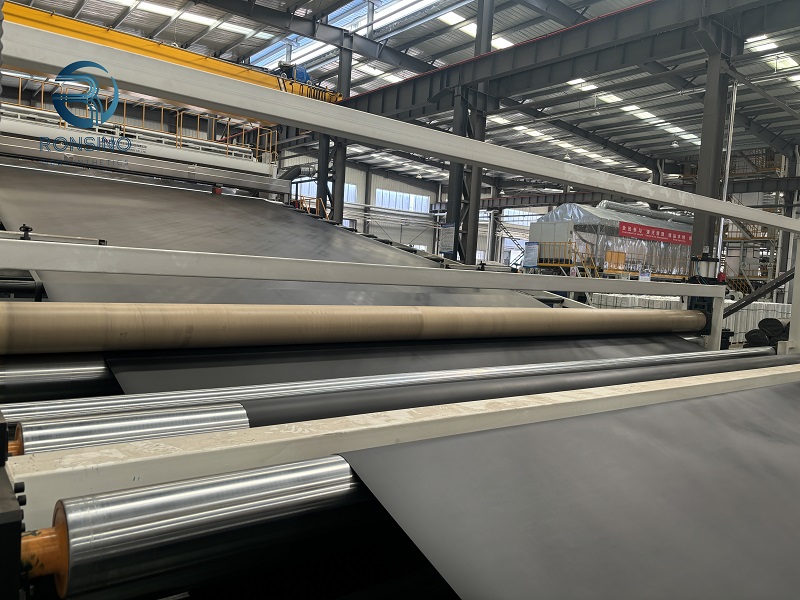
5. Where to Find HDPE Pond Liner for Sale
You have several buying channels. Each has pros and cons.
5.1 Local Building Material Suppliers
Physical stores, such as local home improvement retailers and suppliers of civil engineering materials, typically sell HDPE geomembranes. The advantage is the ability to inspect samples in person; however, size options are often limited, and prices may be relatively high.
5.2 Specialized Geomembrane Manufacturers
Manufacturers specializing in HDPE liners typically engage in direct transactions with the ultimate consumers. Clients have the flexibility to request tailored dimensions and gauges. This approach stands as the most preferable strategy for extensive undertakings.
5.3 Online Marketplaces
Alibaba, Amazon Business, and other platforms list many HDPE pond liners for sale. Be careful with unknown sellers. Always ask for material test reports and customer reviews.
5.4 Industrial Distributors
Numerous suppliers concentrate on geosynthetic materials tailored for mining and ecological endeavors. These specialists deliver expert guidance and comprehensive installation assistance.
Before you buy, request a sample. A reputable seller will send you a small piece so you can check flexibility, smell (should be no strong odor), and surface uniformity.
6. Installation Tips for a Leak-Proof Pond
Proper installation is just as important as buying a quality liner. Even the best HDPE pond liner will fail if installed incorrectly.
6.1 Prepare the Subgrade
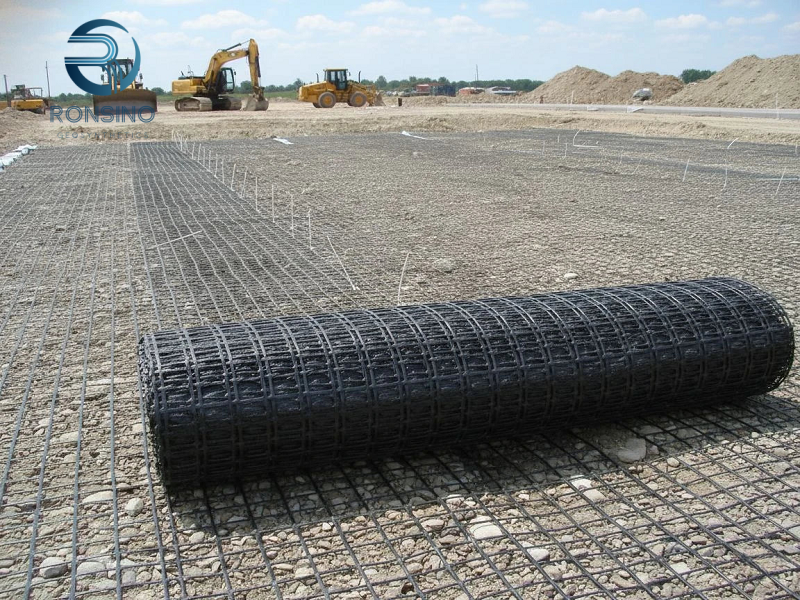
Eliminate every stone, plant root, and unwanted fragment from the area. Thoroughly compress the earth to ensure a solid base. To enhance durability, consider applying a stratum of sand or installing geotextile material atop the prepared surface. This layer functions as a protective barrier.
6.2 Measure and Cut
Lay out the lining to air for several hours to increase its flexibility, and ensure a margin of at least thirty centimeters along the edges when cutting.
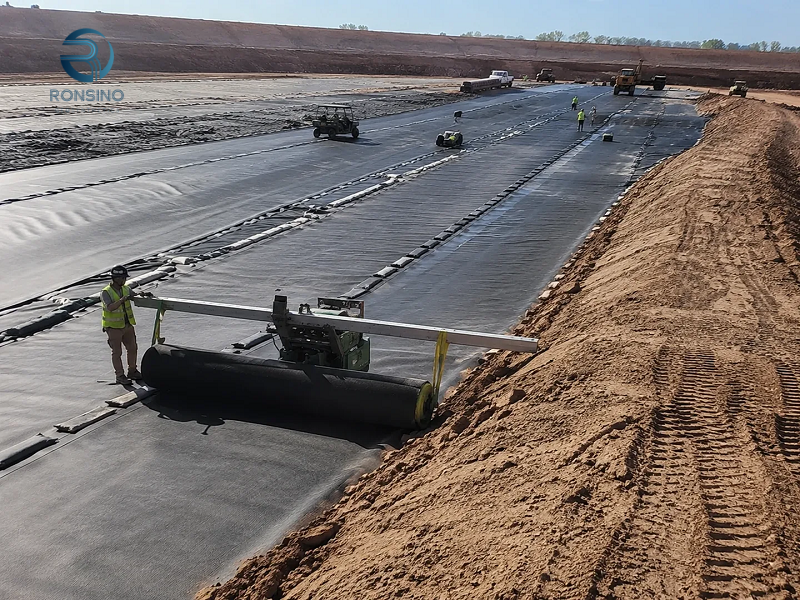
6.3 Seaming (Joining Sheets)
If your pond requires more than one sheet, you must seam them together. There are two main methods:
Extrusion welding: A welding gun melts the edges of two sheets and fuses them with fresh HDPE rod. This creates a bond as strong as the parent material.
Thermal fusion (wedge welding): A heated wedge passes between overlapping sheets, melting them together. This is faster but requires a clean, dry surface.
For DIY small ponds, you can use double-sided butyl tape designed for HDPE, but welded seams are much stronger.
6.4 Anchoring
Excavate a channel along the outer boundary of the water feature, approximately eight inches in depth and eight inches in width. Position the flexible membrane's edge securely within this excavated area and then refill the space using either soil or small stones. This method ensures that the lining remains firmly anchored and prevents any displacement or separation.
6.5 Fill Slowly
Once installed, fill the pond slowly. As water adds weight, the liner will settle into every contour. Adjust any wrinkles immediately before the water level rises too high.
7. Maintenance and Longevity
One of the best features of HDPE is that it requires almost no maintenance. However, a few simple habits will extend its life even further.
7.1 Regular Inspections
Walk around the pond every few months. Look for punctures caused by animals, falling branches, or ice damage. Check the anchor trench to ensure it remains covered.
7.2 Cleaning
If algae or sediment builds up, do not use metal brushes or sharp tools. Use a soft brush or a pressure washer on a low setting. For stubborn stains, mild detergent is safe.
7.3 Repairing Small Holes
If any punctures or ruptures are discovered, thoroughly clean the damaged area and ensure it is completely dry. Cut a patch with rounded edges from a spare piece of HDPE sheet, then secure it firmly over the damaged area using heat-welding or adhesive techniques. Many suppliers specializing in HDPE containment systems for liquid storage tanks offer comprehensive on-site repair solutions.
With proper installation and basic care, your HDPE pond liner can easily last 30 years or more.
8. Common Mistakes to Avoid When Buying HDPE Pond Liner
Many first-time buyers make errors that lead to failure. Learn from them.
8.1 Buying Too Thin
Saving money on a 0.3 mm liner might seem smart, but it will tear easily. For any permanent pond, never go below 0.5 mm. For ponds with fish or livestock, use at least 1.0 mm.
8.2 Ignoring UV Protection
Some cheap HDPE liners lack sufficient carbon black. They become brittle after one summer in the sun. Always ask for UV stability test data.
8.3 Not Calculating Seams Properly
If you buy narrow rolls, you will need many seams. Each seam is a potential leak point. For a pond larger than 500 square meters, order a custom wide sheet to minimize seams.
8.4 Overlooking Delivery Costs
HDPE liners are heavy. A long-distance shipment can cost as much as the liner itself. Search for “HDPE pond liner for sale near me” or ask for delivered pricing, including freight.
9. Frequently Asked Questions
9.1 Is the HDPE liner safe for fish?
Yes. HDPE is inert and does not release toxins. Many koi and trout farms use it exclusively. Just make sure to rinse the liner before introducing fish.
9.2 Can I install an HDPE liner myself?
For small to medium ponds, yes. You will need basic tools and patience. For large commercial or mining ponds, hire a certified geomembrane installer.
9.3 How does HDPE compare to concrete?
Concrete cracks over time, especially in freezing climates. HDPE flexes with ground movement. It is also cheaper than reinforced concrete for most pond sizes.
9.4 What is the warranty on HDPE pond liners?
Reputable manufacturers offer 10 to 20 years of warranty against manufacturing defects. The actual lifespan is often twice that.
10. Final Thoughts: Making Your Purchase Decision
Now you have all the information needed to confidently shop for an HDPE pond liner. Remember these key takeaways:
Always choose a thickness appropriate for your ground conditions and water depth.
Prefer smooth liners for flat bottoms and textured liners for steep slopes.
Buy from a supplier that provides technical data sheets and UV test results.
Request a sample before placing a large order.
Plan your installation carefully, especially subgrade preparation and seam welding.
There is a wide range of high-density polyethylene (HDPE) pond liners available on the market at varying price points. Liners that are priced too low are often of inferior quality; they may be made from recycled materials, lack sufficient UV resistance, or have an inconsistent thickness. Investing in a reasonably priced product that carries official certification will help ensure your pond remains leak-free and durable for the long term.
If you remain uncertain, seek assistance from a nearby geomembrane supplier. Numerous providers furnish complimentary estimates and detailed installation manuals. Regardless of whether you are constructing a small residential aquatic feature or an extensive commercial water storage facility, HDPE continues to stand as the premier solution. Initiate your undertaking correctly by selecting a superior-grade HDPE pond liner at present.