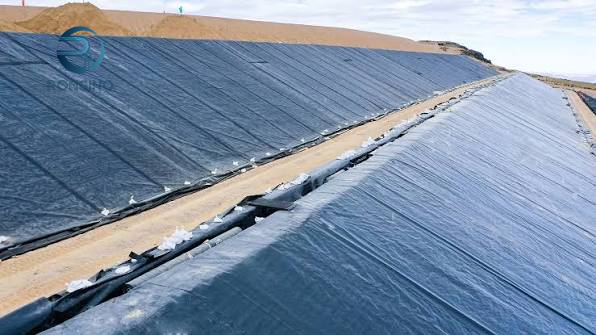
How to Choose Damliners Irrigation Systems?
Blog · 2026-08-08 · 0 views

Choosing the right geomembrane and irrigation system can make a significant difference between efficient water management and costly leakage problems. With so many materials, thicknesses and installation options available, it’s important to choose a pad that ensures durability, flexibility and long-term performance. In this guide, we’ll break down the key elements to help you select the ideal geomembrane for your irrigation project, saving time, money and resources.
1. What Is Damliners Irrigation Systems?
Dam liner-integrated irrigation auxiliary setups are specialized lining materials installed inside or outside dams, mainly for effective leakage prevention, and enhancing the overall structural stability and long-term durability of dams. Adopting these special dam liner solutions can not only improve overall operational performance, reduce routine maintenance costs, and greatly extend the service life of dams, but also effectively promote the eco-friendly, sustainable conservation and efficient utilization of water resources.
2. What Are Characteristics of Damliners Irrigation Systems?
Traditional storage containers have high procurement and maintenance costs, lack of durability and impermeability under complex conditions, and are difficult to adapt to stringent requirements.Dam lining is a high-performance anti-seepage material suitable for complex scenarios. It has strong corrosion resistance, long-term stable molecular properties, and is not affected by temperature fluctuations and long-term immersion. It is widely used for storage protection in chemical industry, mining and other fields. It can prevent leakage and moisture, and avoid environmental pollution and resource loss caused by leakage of stored materials.
2.1 High Anti-Seepage Performance
Dam liners are flexible waterproof materials boasting an ultra-high impermeability coefficient of 1×10⁻¹⁷ cm/s, which guarantees almost negligible water seepage.This excellent property renders them the ideal choice for water storage needs in irrigation reservoirs, artificial ponds and various other water storage facilities, providing stable, long-lasting performance throughout their service life.
2.2 Excellent Heat and Cold Resistance
These specialized plastic impermeable dam liners can withstand temperatures from -70℃ to +110℃, making them adaptable to diverse environments. This stability ensures reliable performance across seasonal shifts and extreme weather.
2.3 Strong Chemical Stability
HDPE anti-seepage geomembrane is resistant to corrosion by strong acids, strong alkali, grease and various chemicals, and is extremely durable. It is stable for a long time even in corrosive chemical environments and is suitable for anti-seepage projects such as fertilizer storage pools and industrial wastewater collection pools.
2.4 High Tensile Strength
Due to their extremely high tensile strength, these dam lining materials are able to withstand mechanical stresses and heavy loads, and meet the requirements of high-standard engineering projects. This makes them particularly suitable for large irrigation dams and reservoirs, as well as for industrial purposes, where durability is crucial.
2.5 Outstanding Weather Resistance and Anti-Aging
Pond dam liners feature excellent climate adaptability and durable anti-aging performance, which can maintain stable comprehensive functionality for several decades. They are able to resist long-term UV erosion, harsh extreme weather conditions and various forms of environmental deterioration, fully guaranteeing long-term operational stability when applied in outdoor scenarios.
2.6 Adaptability to Harsh Conditions
Thanks to excessive tensile power and elongation at break, these dam plastic lining adapt to uneven geological settlements and harsh climates. They preserve integrity below strain, making them perfect for irrigation initiatives in areas with moving soil, slopes, or uneven terrain.
2.7 Safe and Environmentally Friendly Materials
Farm dam liners are made from virgin high-density polyethylene (HDPE) with carbon black particles and do not contain any added preservatives. HDPE is recognized as an environmentally friendly material suitable for food packaging and cling film manufacturing, which fully reflects its non-toxic and environmentally friendly characteristics. The material ensures safe water storage and long-term sustainability in irrigation projects.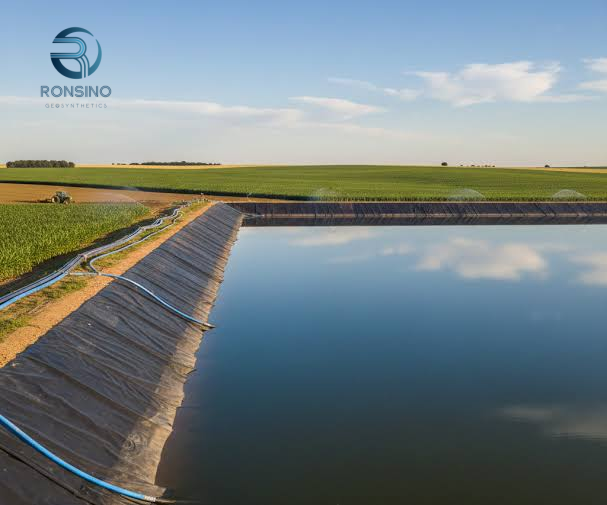
3. What Scenarios Are Damliners Irrigation Systems Suitable for?
3.1 Damliners Irrigation Systems for Water Conservancy Projects
Damliner waterproof materials have excellent performance in anti-seepage, leakage plugging and reinforcement projects for rivers, lakes and reservoir dams. This material is widely used in channel lining, vertical core wall construction and slope protection projects. It can effectively reduce water loss, improve structural stability, and extend the service life of water conservancy facilities.
3.2 Damliners Irrigation Systems for Municipal Engineering
In urban environments, geomembranes serve as reliable anti-seepage solutions and are widely used in subways, underground building structures, planted roofs, rooftop gardens, and sewage pipe systems. Its flexibility and durability ensure long-term protection against water penetration and structural damage.
3.3 Damliners Irrigation Systems for Gardens and Landscaping
Damliners irrigation solutions are widely used in artificial lakes, landscape rivers, reservoirs, golf course water zones, pond linings, slope reinforcement, and new lawns. They offer excellent waterproofing and support attractive, functional recreational landscapes.
3.4 Damliners Irrigation Systems for Petrochemicals
In the chemical and petrochemical industries, earth embankment anti-seepage linings have excellent resistance to a variety of corrosive substances and are suitable for crude oil storage tanks, reactors, sedimentation tank linings and double-layer anti-seepage systems. The lining can effectively prevent medium leakage, overflow accidents and long-term corrosion damage, while meeting strict environmental protection requirements and preventing harmful substances from contaminating surrounding soil and water resources.
3.5 Damliners Irrigation Systems for Mining
PVC anti-seepage membrane plays a core anti-seepage role in facilities such as washing tanks, heap leach tanks, ash fields, dissolving tanks, sedimentation tanks and tailings ponds in the mining industry. It can effectively block the leakage of harmful liquid phase, reduce the risk of pollution to soil and water bodies, and at the same time improve the efficiency of resource recovery, helping to achieve a win-win situation of economic and environmental benefits.
3.6 Damliners Irrigation Systems for Transportation Facilities
Within the realm of transportation infrastructure, high-density polyethylene (HDPE) geomembranes serve a critical role in fortifying the foundational support of roadway systems while simultaneously providing impermeable protection for drainage conduits. These advanced materials effectively safeguard the underlying structural integrity of subgrades, thereby significantly enhancing the durability and extending the service life of both highway and railway transportation networks.
3.7 Damliners Irrigation Systems for Agriculture
High-density polyethylene (HDPE) geomembranes find widespread application in agricultural settings, including reservoirs, drinking water basins, water retention ponds, and irrigation networks. These liners effectively minimize water wastage, prevent excessive seepage, and facilitate optimal irrigation management across farmlands and plantations.
3.8 Damliners Irrigation Systems for Aquaculture
In the field of aquaculture, geomembranes can be used for intensive fish and shrimp breeding pond linings, safe fish pond barriers, sea cucumber farm slope stabilization and the production of various breeding facilities. It is impermeable, reliable and environmentally friendly, supporting the efficient implementation of high-density aquaculture.
3.9 Damliners Irrigation Systems for Salt Industry and Environmental Protection
High-density polyethylene geomembrane is a key barrier in the industrial and ecological fields. It is used in salt fields, landfills and other facilities. Its main function is to prevent pollution and water protection and ensure environmental compliance.
Geosynthetic liners for hydraulic infrastructure serve a multitude of sectors and applications, spanning water resource management, agricultural practices, aquaculture systems, and ecological preservation. The meticulous selection of appropriate materials, optimal thickness, and precise technical parameters, combined with rigorous adherence to construction protocols, guarantees sustained impermeability performance and operational integrity for the entire project lifespan.
Dam Lining Material for Agricultural Reservoirs
4. How to Choose Right Dam Liners Irrigation Systems?
Choosing the right Dam liners irrigation systems is a process that requires comprehensive consideration of multiple factors. Here are some suggestions:
4.1. Understand the basic properties of Dam liners lrrigation systems
Initially, comprehending the fundamental characteristics of dam liner irrigation systems holds significant importance. These systems, predominantly constructed from polyethylene, boast exceptional resistance to compression, impermeability, aging, and environmental degradation. They effectively inhibit the infiltration of moisture and detrimental soil elements, thereby preserving soil integrity and ensuring structural stability.
4.2. Consider the applicability of Dam liners lrrigation systems
Various types of dam lining irrigation systems have unique properties and scope of application. Some dam-lined irrigation systems are suitable for road paving and can effectively prevent moisture from the soil from penetrating into the road structure, thereby significantly extending the service life of the road.
Reservoir linings and irrigation solutions are integral to modern farming practices, effectively curbing water loss through evaporation and seepage while enhancing overall irrigation performance. Consequently, during the selection of these systems, careful consideration must be given to the diversity and range of available product options to ensure they align with the unique requirements of diverse agricultural projects.
4.3. Understand the experience and reputation of Dam liners lrrigation systems manufacturers
Select a seasoned and well-regarded manufacturer specializing in dam liners and irrigation systems. RONSINO geosynthetics stands out by delivering superior-quality products and unparalleled support services. Moreover, it is advisable to seek guidance from seasoned engineers or industry experts to obtain their expert insights and recommendations.
4.4. Reference price
Various irrigation system dam liner suppliers will present distinct pricing structures. RONSINO geosynthetics delivers superior-grade materials at competitive rates. The cost of these products typically correlates with their quality attributes and operational efficiency. Careful evaluation is essential during selection processes to ensure a balanced assessment, rather than prioritizing cost while compromising on product excellence.
4.5. Construction and maintenance of Dam liners lrrigation systems
Choosing the right dam lining material for your irrigation system is critical. High-density polyethylene (HDPE) is preferred for its durability and environmental resistance. A complete anti-seepage system needs to be adapted to local conditions according to the project scale, topography and soil quality. Dam lining is essential to prevent reservoir leakage, protect the environment and ensure the safety and health of aquaculture. The reasonable combination of materials and construction technology can significantly improve the performance and life of the lining.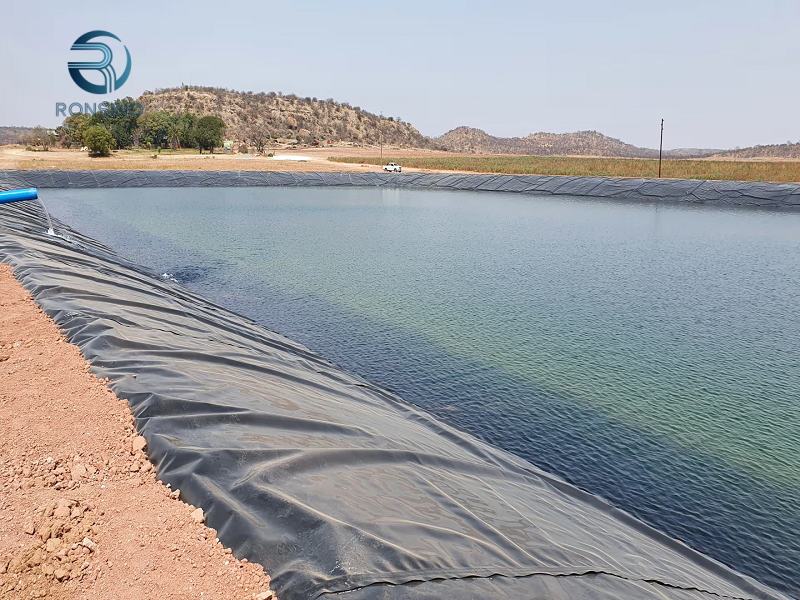
5. Summary
Reservoir lining irrigation systems are extensively utilized across a diverse array of sectors and disciplines. When implementing such systems, it is imperative to meticulously select materials and specifications that align with the unique operational context and performance criteria, while adhering rigorously to established installation protocols to guarantee sustained and reliable anti-seepage functionality over extended periods.
Selecting the most suitable geomembranes for water containment systems guarantees secure, long-lasting, and sustainable hydraulic solutions. To ensure superior quality and optimal functionality, Taian RONSINO New Material Co., Ltd. (RONSINO Geosynthetics) offers high-density polyethylene liners that are perfectly tailored for a wide range of irrigation applications.