What Is Geonet and Its Practical Uses?
Blog · 2026-08-08 · 0 views

What is Geonet?
Geonet is a three-dimensional drainage material made of high-density polyethylene (HDPE) through an advanced extrusion process. Its mesh structure is specially designed for efficient transportation of fluids and gases. It is often combined with geotextiles to form a comprehensive drainage system and is widely used in civil engineering and environmental protection facilities.
Technical Parameters and Specifications
Structure and Material Composition
The architectural configuration of a Geonet is engineered to establish interconnected pathways that facilitate the effective conveyance of fluids and vapors.
HDPE polymer core – Provides long-term chemical resistance and structural durability.
Extruded rib network – Interconnected ribs create void spaces for fluid transmission.
Bi-planar or tri-planar layers – Enhances drainage capacity and load distribution.
Composite layers – Often laminated with geotextiles to form geocomposite drainage materials.
UV stabilizers – Improve resistance to sunlight exposure during installation.
Manufacturing Process
The production of Geonet is accomplished through meticulously regulated extrusion and fabrication methods, guaranteeing uniform mechanical characteristics and reliable durability.
1. Raw Material Preparation
High-density polyethylene pellets are mixed with stabilizers and antioxidants before processing.
2. Polymer Extrusion
The high-density polyethylene (HDPE) compound is heated to a molten state and forced through precisely engineered molds to form corrugated lattice configurations.
3. Net Structure Formation
Extruded strands are bonded into bi-planar or tri-planar configurations using calibrated rollers.
4. Cooling and Stabilization
The formed geonet passes through cooling systems to maintain dimensional stability.
5. Quality Control Testing
Products are tested for thickness, compressive resistance, and transmissivity performance.
6. Rolling and Packaging
The finished material is cut into standard rolls suitable for transportation and installation.
Industry Comparison
Application Scenarios
Geonet drainage materials are extensively deployed across numerous infrastructure and environmental engineering initiatives. These solutions are frequently selected by EPC contractors, consulting engineers, and infrastructure developers to meet project requirements.
Landfill leachate collection systems
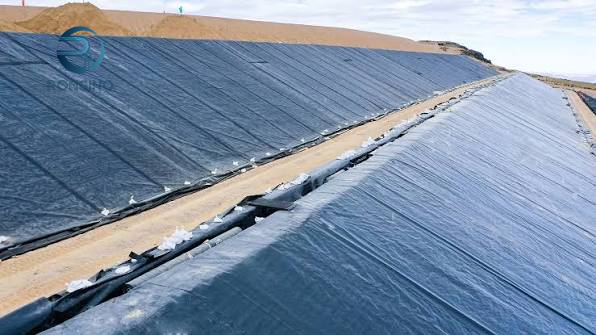
Mining heap leach pads
Tunnel drainage layers
Retaining wall drainage systems
Road and railway subgrade drainage
Green roof water management
Wastewater treatment facilities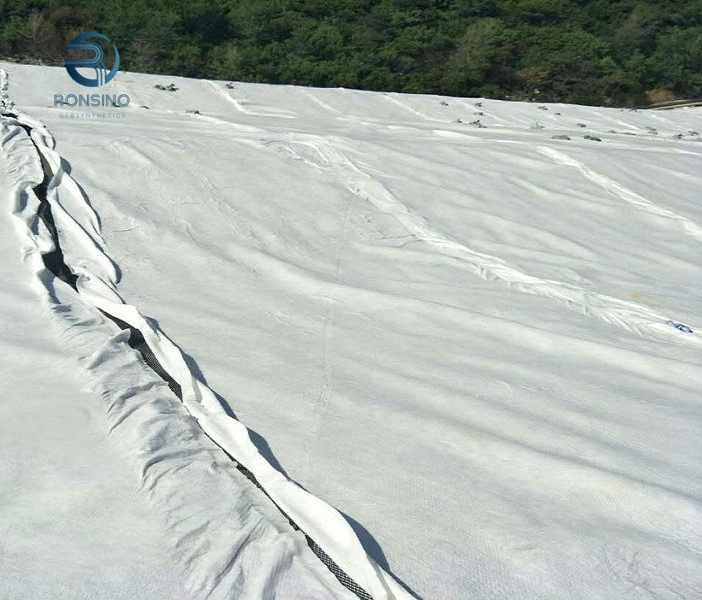
Key Engineering Pain Points and Solutions
1. Inefficient Drainage in Containment Systems
Solution: Geonet provides high transmissivity to quickly channel liquids toward collection systems.
2. Excessive Load Crushing Traditional Drainage Layers
Solution: High compressive strength geonet structures maintain flow channels under pressure.
3. Limited Installation Space
Solution: Geonet drainage layers are significantly thinner than gravel drainage layers.
4. Material Transport and Logistics Costs
Solution: Compact geonet rolls offer significant cost savings in both shipping and setup when contrasted with traditional aggregate-based solutions.
Risk Warnings and Prevention
Improper load calculations may lead to compression and reduced transmissivity.
Incorrect combination with geotextiles may cause clogging.
Long UV exposure before installation may degrade polymer materials.
Poor seam overlap may reduce drainage continuity.
Engineering design should include hydraulic modeling and load analysis before material selection.
Procurement and Selection Guide
Define the project drainage capacity requirements.
Determine load conditions from soil and structural layers.
Select appropriate geonet thickness and rib configuration.
Evaluate transmissivity performance under expected pressure.
Verify compatibility with geotextile filtration layers.
Review manufacturer test reports and quality certifications.
Confirm roll dimensions and installation methods for the project.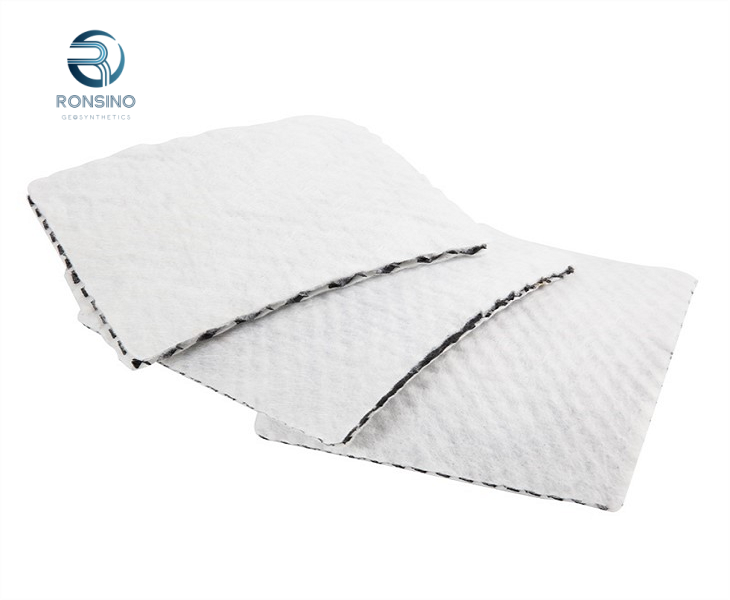
Engineering Case Example
In a municipal solid waste disposal project, a three-dimensional drainage geocomposite was laid between an impermeable membrane and a protective geotextile. This innovative design enables effective leachate management and significantly reduces the required thickness of traditional granular drainage materials. The project’s implementation area exceeds 85,000 square meters, which significantly reduces logistics costs and construction period.
FAQ – Frequently Asked Questions
1. What is the main function of geonet?
Geonet provides in-plane drainage to transmit liquids or gases within geotechnical structures.
2. What material is geonet made from?
Most geonets are manufactured from high-density polyethylene (HDPE).
3. What is the difference between geonet and geotextile?
Geonet provides drainage channels, while geotextile mainly performs filtration and separation.
4. Can geonet replace gravel drainage layers?
In many engineered systems, geonet composites can replace traditional aggregate drainage layers.
5. What is a geonet composite?
It is a product formed by bonding geonet with geotextiles to combine drainage and filtration.
6. How is geonet installed?
It is rolled out over the prepared surface with overlapping seams and anchored edges.
7. What thickness is commonly used?
Typical geonet thickness ranges from 4 to 8 mm depending on drainage requirements.
8. Does geonet resist chemicals?
HDPE provides strong resistance to many chemicals found in landfill and mining environments.
9. What industries commonly use geonet?
Landfill engineering, mining, transportation infrastructure, and environmental containment projects.
10. How long can geonet last underground?
When properly installed, geonet materials can function for several decades in buried environments.
Request Technical Data or Project Quotation
Engineering teams, distributors and EPC contractors can request detailed product technical parameters, laboratory test reports and project evaluation samples. For procurement planning or technical consultation, please contact the engineering support team for a quote and installation guide.
Author Expertise (E-E-A-T)
This comprehensive guide has been authored by seasoned experts possessing over ten years of specialized knowledge in synthetic earth-based products, such as impermeable liners, permeable fabrics, and integrated drainage assemblies. The material encapsulates widely recognized engineering methodologies applied in the development of waste management facilities, mineral extraction containment structures, and civil engineering water management systems.