Learn About The Differences Between Drainage Cell And Sheet Drainage
Blog · 2026-10-10 · 0 views
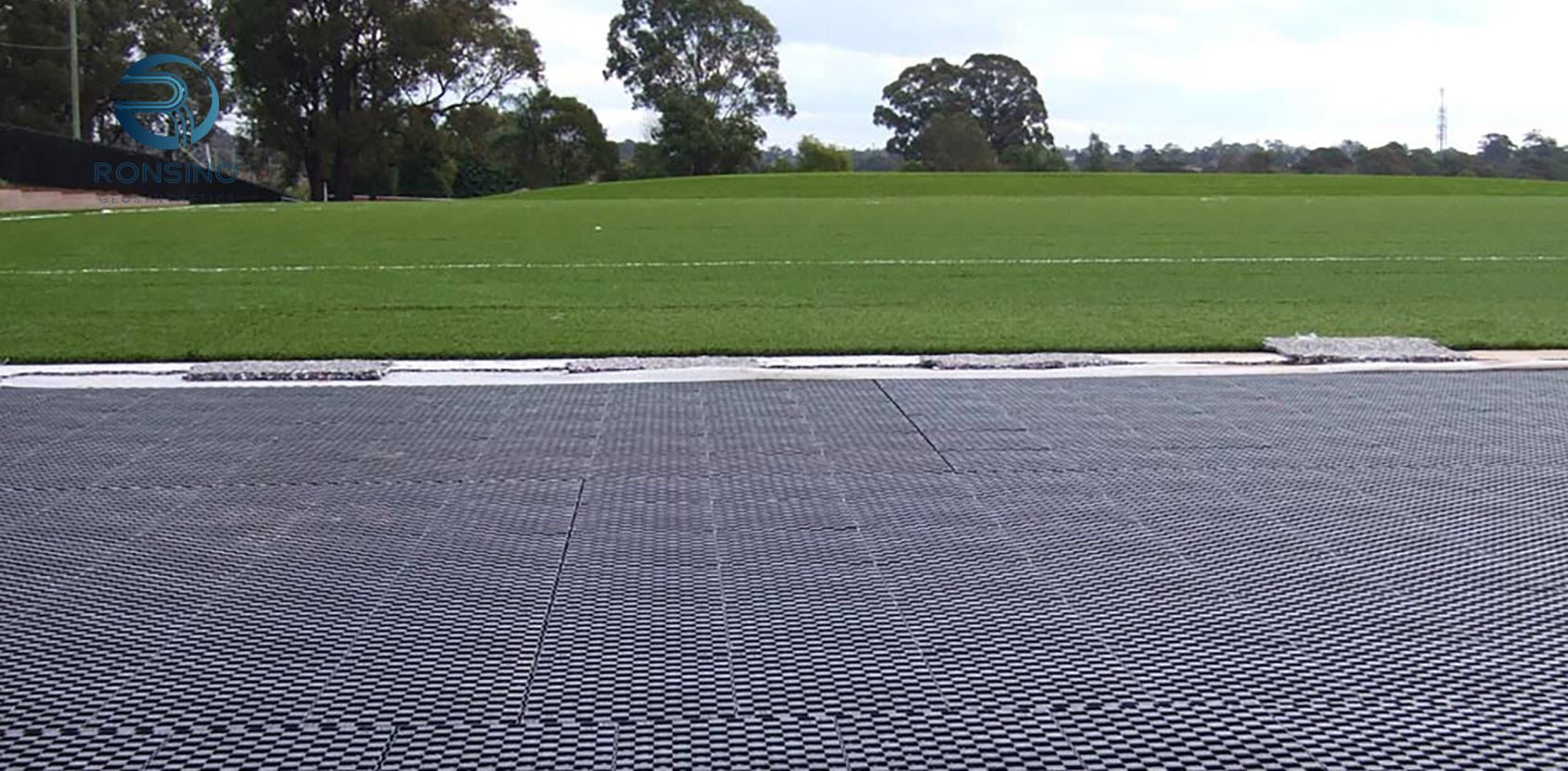
Drainage modules are intricate, three-dimensional constructs fabricated from high-density polyethylene (HDPE) polymers, featuring a network of interlinked chambers that facilitate efficient water passage. These geotextile-integrated drainage modules are commonly deployed beneath paved surfaces, rooftops, and vegetated rooftops to effectively handle precipitation runoff and avert water saturation issues. Basement drainage modules are characterized by their lightweight composition, straightforward installation process, and adaptability to be tailored for any specific shape or dimension.
Alternatively, drainage sheets are manufactured in a flat configuration using diverse materials, including polymeric substances, elastomeric compounds, or geotextile fabrics. These drainage sheets encompass several variants such as geocomposite drainage sheets, polypropylene-based sheets, and high-density polyethylene (HDPE) sheets, among others. They can be positioned either vertically or horizontally adjacent to foundation structures to impede the ingress of water into the building envelope. Beyond serving as a protective barrier against moisture, drainage sheets also function as thermal insulation components.
Ronsino Geosynthetics stands as a premier provider of sheet drain and drainage cell systems, delivering an extensive range of drainage solutions tailored to meet diverse project requirements. This discussion delves into the fundamental distinctions between drainage cell and sheet drain technologies, examining their structural designs, operational functions, inherent advantages, and practical implementations. The objective is to furnish a thorough insight into these critical drainage methodologies, enabling informed decision-making for various engineering and construction applications.
1. Different Structures
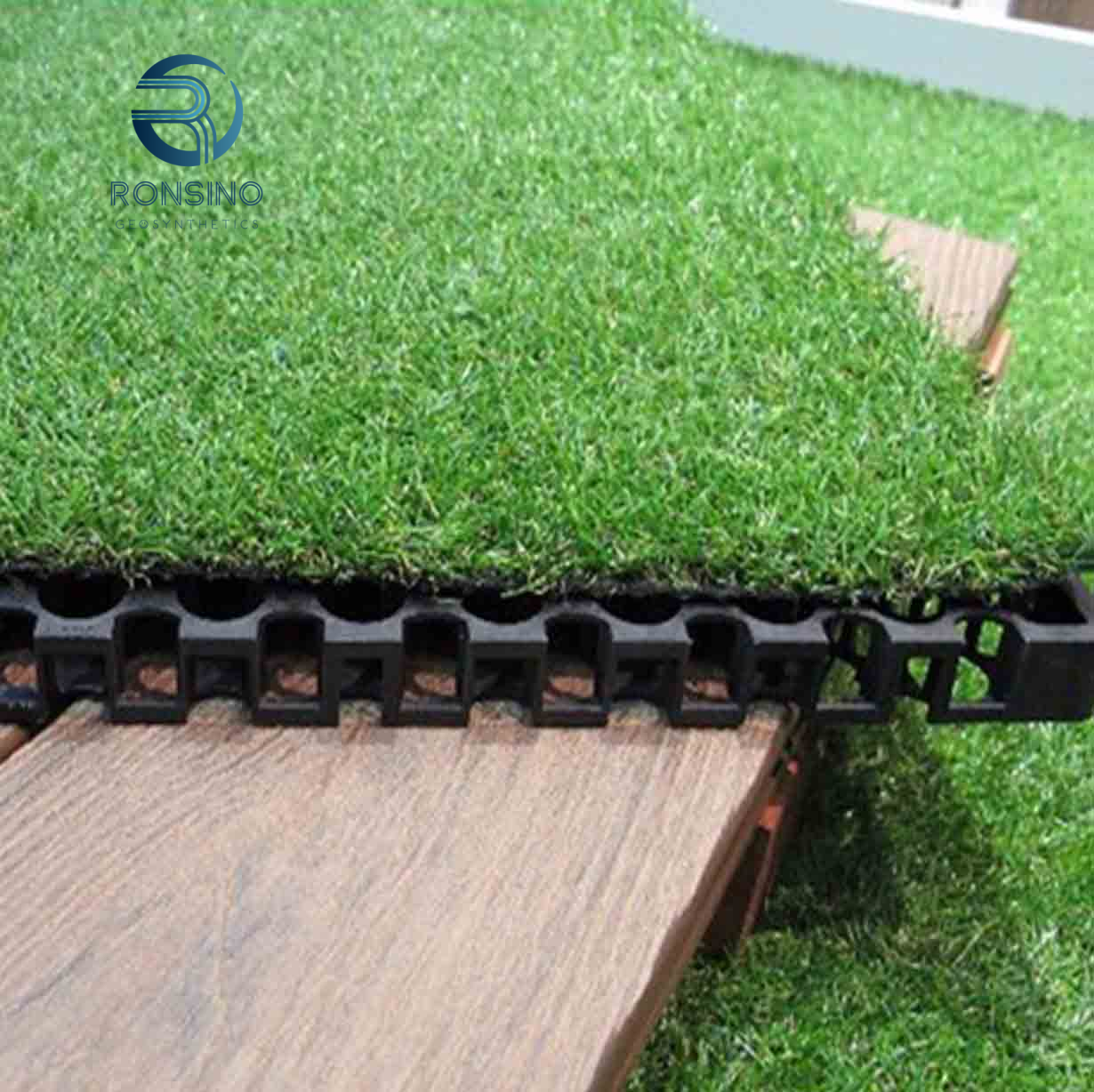
1.1 Structure of Drainage Cell
A drainage cell constitutes an innovative polymeric component engineered to optimize the management of stormwater runoff. Its fundamental purpose involves establishing an intermediary cavity to promote rapid water evacuation. Constructed from resilient polypropylene, these cells exhibit exceptional load-bearing capacity and dimensional stability, ensuring they maintain structural integrity without warping or fracturing under pressure. They serve as a robust barrier for waterproofing systems while simultaneously permitting airflow beneath concrete surfaces, thereby mitigating thermal expansion and preventing surface fissures.
In scenarios where structural compromise occurs and drainage systems are inadequate, soil-borne contaminants—such as chlorides and aggressive chemical substances—accelerate the degradation of wall assemblies. Sheet drainage emerges as the premier solution for maintaining thermal equilibrium and surface stability by generating a durable, compressible air buffer that preserves its insulating properties indefinitely. This long-term ventilation capability is critical for extending the service life of construction elements exposed to environmental stressors.
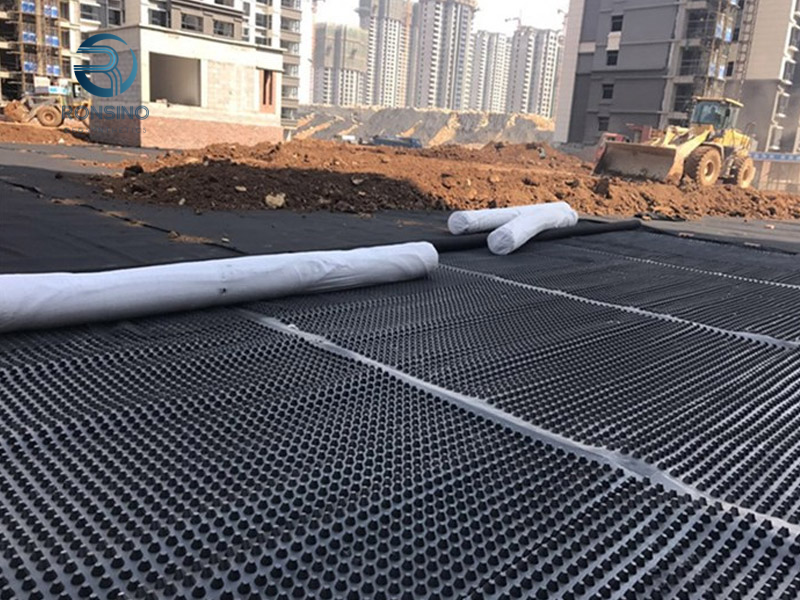
1.2 Structure of Sheet Drain
Manufactured through a heat-and-pressure process, this PP drainage board features a three-dimensional structural design that creates stable drainage channels while also providing water storage capabilities. Combining drainage and storage functions, the board exhibits exceptional structural rigidity and compressive strength—outperforming similar products—and withstands the extreme loads associated with heavy machinery traffic and backfilling during rooftop greening construction. Its dimpled structure facilitates drainage and promotes soil moisture infiltration, effectively capturing and storing the percolated water.
2. Different Functions
2.1 Drainage Cell Fucntions
2.1.1 Stormwater Management
Drainage cells are engineered to optimize stormwater management through the creation of interconnected void spaces, facilitating rapid water drainage. This system effectively mitigates water accumulation, thereby safeguarding structural integrity and surface longevity from potential harm caused by excessive moisture.
2.1.2 Water Storage
Specialized drainage modules incorporate integrated reservoir capabilities, enabling the capture and retention of precipitation for future utilization. Such functionality proves especially advantageous in contexts like flood control initiatives and agricultural watering networks.
2.1.3 Improved Drainage
The segmented, networked configuration of the drainage units creates numerous channels for water movement, enabling enhanced water discharge. This design mitigates water accumulation and guarantees efficient water evacuation, particularly during intense precipitation or inundated conditions.
2.1.4 Soil Protection
The drainage modules form a barrier that effectively separates the soil from the building structure. They distribute loads and pressure evenly, significantly reducing the likelihood of foundation settlement and preventing damage to the underlying soil structure.
2.1.5 Root Protection
In landscaping and green roof applications, drainage cells form a protective barrier for plant roots. It drains excess water while retaining the moisture your plants need for healthy growth.
2.2 Sheet Drain Functions
2.2.1 Drainage
Sheet drain is designed to drain water efficiently and direct water away from structures and areas where water can accumulate. Sheet drain provides a path for water to flow and prevents water buildup and potential damage.
2.2.2 Moisture Management
Sheet drain effectively manages water flow by channeling surplus liquid away from the surface area. This system safeguards against excessive dampness accumulation, which may trigger issues including fungal proliferation, degradation of construction elements, and compromise of structural stability.
2.2.3 Hydrostatic Pressure Relief
Sheet drain functions as a pressure equalization mechanism, effectively mitigating hydrostatic stress on structural elements like support walls and base enclosures. This process inhibits water accumulation adjacent to such constructions, thereby averting potential deterioration that may compromise their integrity over extended periods.
2.2.4 Soil Filtration
The composite drainage membrane incorporates a permeable geotextile fabric designed to impede the ingress of fine subgrade materials into the discharge apertures. This mechanism guarantees unimpeded water conveyance while simultaneously mitigating soil displacement and preserving the operational integrity of the water management infrastructure over its extended service life.
2.2.5 Protection and insulation
Sheet drain establishes a robust shield that safeguards membranes and other vulnerable surfaces. It serves to shield these components from potential harm encountered during backfilling and construction activities. Moreover, it functions as an insulating barrier, diminishing heat exchange and enhancing thermal performance.
3 Specifications of Drainage Cell and Sheet Drain
4. Applications of Drainage Cell and Sheet Drain
Drainage cells are commonly suitble for the following applications:
Green roofs and living walls.
Sports fields and golf courses.
Planter boxes and tree pits.
Pavement systems and driveways.
Subsurface stormwater management.
Underground stormwater detention and infiltration systems.
Sheet drains find applications in various construction scenarios, including:
Exterior foundation drainage.
Basement and below-grade wall protection.
Plaza decks and podiums.
Bridge abutments and retaining walls.
Vegetative roofs.
Protection of below-grade waterproofing.
5. Installation of Drainage Cell and Sheet Drain
5.1 Sheet drain
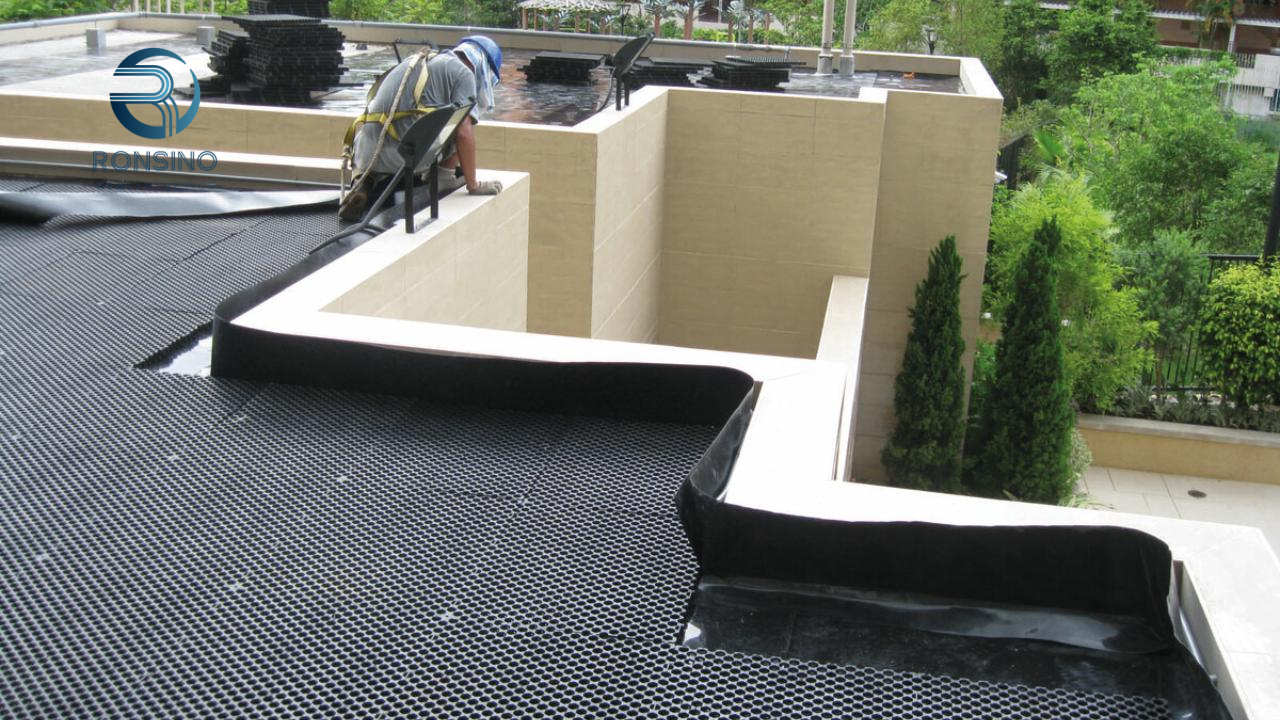
Sheet drains are commonly utilized on the exterior facades of buildings. While installation techniques can differ, they frequently entail securing the panels to the underlying surface through mechanical fixings or bonding agents. These panels may be positioned either parallel to the ground or in an upright orientation, contingent upon the particular requirements of the project.
5.2 Drainage Cell
The installation procedure for drainage cells generally requires the excavation of a designated area, followed by the placement of a geotextile fabric to serve as a foundational layer. Subsequently, the drainage modules are arranged in the intended layout and can be either stacked or interlocked to achieve the required void space. Finally, a second layer of geotextile fabric is applied, and the assembly is backfilled with suitable material to complete the system.
6 Conclusion
In conclusion, subterranean void-formers and impermeable membranes play a pivotal role in hydrological control across diverse applications. The former are engineered to establish subterranean reservoirs for fluid retention and dispersal, whereas the latter are devised for surface runoff regulation and structural preservation against moisture intrusion. The selection between these systems hinges on the unique requisites of the undertaking. Under certain circumstances, integrating both technologies can yield superior hydraulic performance and comprehensive moisture mitigation strategies in intricate architectural and environmental designs.
Alternatively, drainage sheets are manufactured in a flat configuration using diverse materials, including polymeric substances, elastomeric compounds, or geotextile fabrics. These drainage sheets encompass several variants such as geocomposite drainage sheets, polypropylene-based sheets, and high-density polyethylene (HDPE) sheets, among others. They can be positioned either vertically or horizontally adjacent to foundation structures to impede the ingress of water into the building envelope. Beyond serving as a protective barrier against moisture, drainage sheets also function as thermal insulation components.
Ronsino Geosynthetics stands as a premier provider of sheet drain and drainage cell systems, delivering an extensive range of drainage solutions tailored to meet diverse project requirements. This discussion delves into the fundamental distinctions between drainage cell and sheet drain technologies, examining their structural designs, operational functions, inherent advantages, and practical implementations. The objective is to furnish a thorough insight into these critical drainage methodologies, enabling informed decision-making for various engineering and construction applications.
1. Different Structures
1.1 Structure of Drainage Cell
A drainage cell constitutes an innovative polymeric component engineered to optimize the management of stormwater runoff. Its fundamental purpose involves establishing an intermediary cavity to promote rapid water evacuation. Constructed from resilient polypropylene, these cells exhibit exceptional load-bearing capacity and dimensional stability, ensuring they maintain structural integrity without warping or fracturing under pressure. They serve as a robust barrier for waterproofing systems while simultaneously permitting airflow beneath concrete surfaces, thereby mitigating thermal expansion and preventing surface fissures.
In scenarios where structural compromise occurs and drainage systems are inadequate, soil-borne contaminants—such as chlorides and aggressive chemical substances—accelerate the degradation of wall assemblies. Sheet drainage emerges as the premier solution for maintaining thermal equilibrium and surface stability by generating a durable, compressible air buffer that preserves its insulating properties indefinitely. This long-term ventilation capability is critical for extending the service life of construction elements exposed to environmental stressors.
1.2 Structure of Sheet Drain
Manufactured through a heat-and-pressure process, this PP drainage board features a three-dimensional structural design that creates stable drainage channels while also providing water storage capabilities. Combining drainage and storage functions, the board exhibits exceptional structural rigidity and compressive strength—outperforming similar products—and withstands the extreme loads associated with heavy machinery traffic and backfilling during rooftop greening construction. Its dimpled structure facilitates drainage and promotes soil moisture infiltration, effectively capturing and storing the percolated water.
2. Different Functions
2.1 Drainage Cell Fucntions
2.1.1 Stormwater Management
Drainage cells are engineered to optimize stormwater management through the creation of interconnected void spaces, facilitating rapid water drainage. This system effectively mitigates water accumulation, thereby safeguarding structural integrity and surface longevity from potential harm caused by excessive moisture.
2.1.2 Water Storage
Specialized drainage modules incorporate integrated reservoir capabilities, enabling the capture and retention of precipitation for future utilization. Such functionality proves especially advantageous in contexts like flood control initiatives and agricultural watering networks.
2.1.3 Improved Drainage
The segmented, networked configuration of the drainage units creates numerous channels for water movement, enabling enhanced water discharge. This design mitigates water accumulation and guarantees efficient water evacuation, particularly during intense precipitation or inundated conditions.
2.1.4 Soil Protection
The drainage modules form a barrier that effectively separates the soil from the building structure. They distribute loads and pressure evenly, significantly reducing the likelihood of foundation settlement and preventing damage to the underlying soil structure.
2.1.5 Root Protection
In landscaping and green roof applications, drainage cells form a protective barrier for plant roots. It drains excess water while retaining the moisture your plants need for healthy growth.
2.2 Sheet Drain Functions
2.2.1 Drainage
Sheet drain is designed to drain water efficiently and direct water away from structures and areas where water can accumulate. Sheet drain provides a path for water to flow and prevents water buildup and potential damage.
2.2.2 Moisture Management
Sheet drain effectively manages water flow by channeling surplus liquid away from the surface area. This system safeguards against excessive dampness accumulation, which may trigger issues including fungal proliferation, degradation of construction elements, and compromise of structural stability.
2.2.3 Hydrostatic Pressure Relief
Sheet drain functions as a pressure equalization mechanism, effectively mitigating hydrostatic stress on structural elements like support walls and base enclosures. This process inhibits water accumulation adjacent to such constructions, thereby averting potential deterioration that may compromise their integrity over extended periods.
2.2.4 Soil Filtration
The composite drainage membrane incorporates a permeable geotextile fabric designed to impede the ingress of fine subgrade materials into the discharge apertures. This mechanism guarantees unimpeded water conveyance while simultaneously mitigating soil displacement and preserving the operational integrity of the water management infrastructure over its extended service life.
2.2.5 Protection and insulation
Sheet drain establishes a robust shield that safeguards membranes and other vulnerable surfaces. It serves to shield these components from potential harm encountered during backfilling and construction activities. Moreover, it functions as an insulating barrier, diminishing heat exchange and enhancing thermal performance.
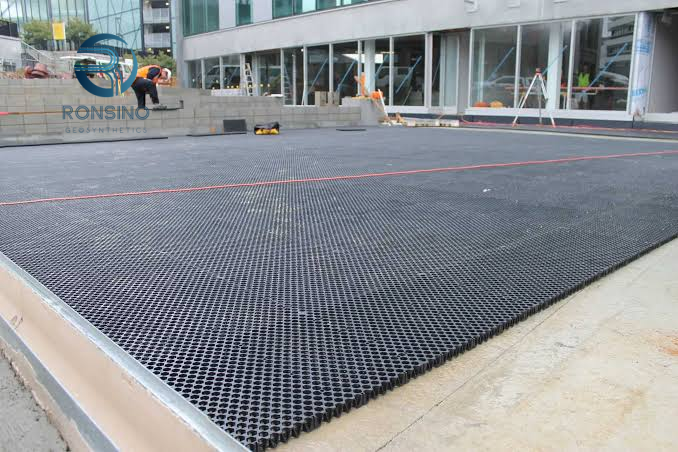
3 Specifications of Drainage Cell and Sheet Drain
| No | Item | Sheet Drain Specifications | Drainage Cell Specifications |
| 1 | Material composition | 100% recycled PP | 100% recycled PP |
| 2 | Size | 500MMx500MMx35MM | 500MMx500MMx30MM |
| 3 | Colour | Black or orange(as your request) | Black (as your request) |
| 4 | Surface void area | 0.135 | 0.6 |
| 5 | Internal void area | 0.8 | 0.88 |
| 6 | Weight capacity | Above 35ton/m2 | Above 100ton/m2 |
| 7 | Compressive strength | Minimum.280KN/M2 | Minimum.900KN/M2 |
| 8 | Discharge capacity@1% gradient | 800 L/m2.s | 900 L/m2 |
| 9 | Weight per square meter | 2.3KGS/M2 | 3.6KGS/M2 |
| 10 | Capacity for 1x40HQ | 4800square meters (19200pcs) | 2000square meters (8000pcs) |
| 11 | Capacity for 1x20GP | 2000square meters (8000pcs) | 800square meters (3400pcs) |
4. Applications of Drainage Cell and Sheet Drain
Drainage cells are commonly suitble for the following applications:
Green roofs and living walls.
Sports fields and golf courses.
Planter boxes and tree pits.
Pavement systems and driveways.
Subsurface stormwater management.
Underground stormwater detention and infiltration systems.
Sheet drains find applications in various construction scenarios, including:
Exterior foundation drainage.
Basement and below-grade wall protection.
Plaza decks and podiums.
Bridge abutments and retaining walls.
Vegetative roofs.
Protection of below-grade waterproofing.
5. Installation of Drainage Cell and Sheet Drain
5.1 Sheet drain
Sheet drains are commonly utilized on the exterior facades of buildings. While installation techniques can differ, they frequently entail securing the panels to the underlying surface through mechanical fixings or bonding agents. These panels may be positioned either parallel to the ground or in an upright orientation, contingent upon the particular requirements of the project.
5.2 Drainage Cell
The installation procedure for drainage cells generally requires the excavation of a designated area, followed by the placement of a geotextile fabric to serve as a foundational layer. Subsequently, the drainage modules are arranged in the intended layout and can be either stacked or interlocked to achieve the required void space. Finally, a second layer of geotextile fabric is applied, and the assembly is backfilled with suitable material to complete the system.
6 Conclusion
In conclusion, subterranean void-formers and impermeable membranes play a pivotal role in hydrological control across diverse applications. The former are engineered to establish subterranean reservoirs for fluid retention and dispersal, whereas the latter are devised for surface runoff regulation and structural preservation against moisture intrusion. The selection between these systems hinges on the unique requisites of the undertaking. Under certain circumstances, integrating both technologies can yield superior hydraulic performance and comprehensive moisture mitigation strategies in intricate architectural and environmental designs.