Let's Learn About HDPE Polylock Together
Blog · 2026-09-05 · 0 views
1 What Is A HDPE Polylock?
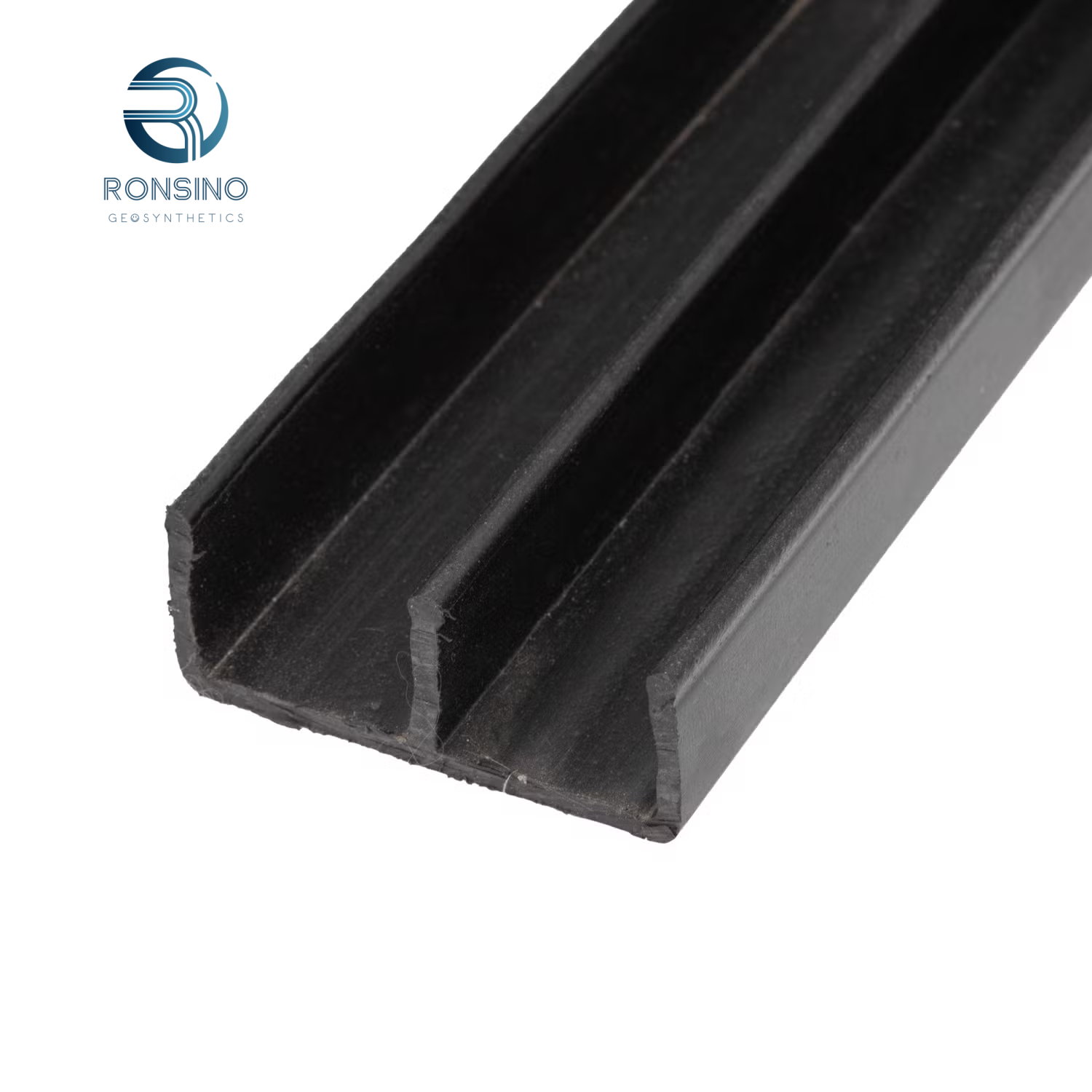
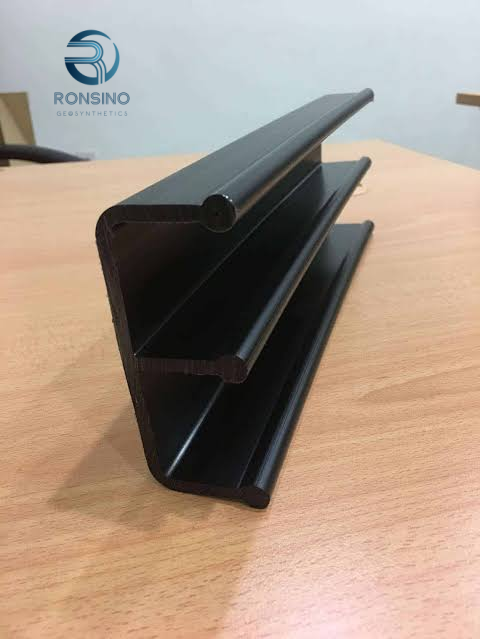
HDPE polylock, commonly known as PolyLock HDPE, represents an advanced mechanical coupling methodology engineered for the steadfast attachment of HDPE geomembranes to dampened concrete substrates. This pioneering technique guarantees a resilient and enduring bond, thereby maintaining the structural soundness of the entire encapsulation infrastructure. The geomembrane HDPE Polylock assembly comprises precisely extruded HDPE profiles featuring either E or T-configured geometries, which establish a formidable clamping arrangement to firmly interlock adjacent geomembrane segments. By establishing an impermeable shield against the seepage of fluids or gaseous substances, HDPE Polylock serves an essential function in shielding the containment structure from potential infiltration points or structural failures. Moreover, the polished external surface of HDPE Polylock facilitates effortless fusion welding, permitting the geomembrane to be efficiently and permanently affixed to concrete surfaces, thereby achieving exceptional anchoring performance.
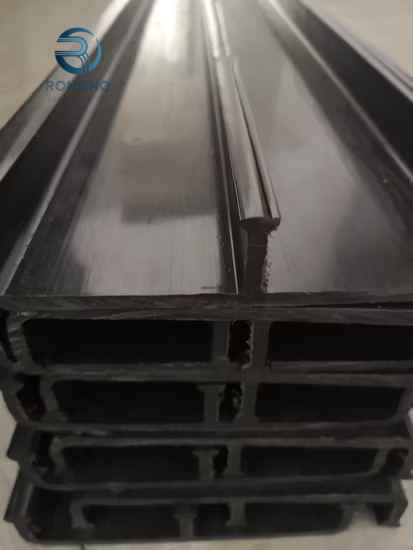
2 RONSINO HDPE Polylock Properties
Brand: RONSINO Geosynthetics
Color: Black/customized
Material: HDPE
Width: 10cm/15cm
Length: 3m/Piece
Height: 3cm/3.5cm/4cm
Standard: ASTM GRI-GM13, GRI-GM17
3 HDPE Polylock Specifications
4 What are the Key Benefits of HDPE Polylock?
4.1 Secure and Reliable Connection
High-density polyethylene (HDPE) double-lock technology provides a robust connection between geomembrane panels, creating a highly reliable water-tight barrier. The system's interlocking design tightly locks the panels in place, significantly reducing the likelihood of leaks or gaps in the waterproofing structure. This strong connection not only enhances the overall stability of the waterproofing system but also ensures its long-term, highly effective impermeability.
4.2 Watertight Seal
HDPE Polylock establishes an impermeable barrier upon correct implementation. The solution adeptly inhibits the infiltration of water, vapor, or any fluid substances across the connecting points and edges of the geosynthetic sheets. This guarantees robust waterproofing performance, safeguarding the foundational elements from deterioration caused by water and the risk of seepage.
4.3 Compatibility
HDPE Polylock demonstrates exceptional adaptability across multiple geomembrane categories, rendering it highly effective for an extensive array of moisture barrier solutions. Regardless of whether HDPE geomembranes or other complementary materials are utilized, HDPE Polylock can be effortlessly incorporated into diverse project requirements. This inherent compatibility significantly broadens its functional scope while guaranteeing optimal performance in varied moisture-proofing environments.
4.4 Durability and Longevity
HDPE Polylock is fabricated from premium-grade high-density polyethylene (HDPE), a robust and flexible material renowned for its outstanding resistance to chemical corrosion and prolonged ultraviolet exposure. The system demonstrates exceptional resilience under extreme environmental stressors, such as prolonged UV exposure, fluctuating thermal conditions, and aggressive chemical agents. This exceptional durability guarantees that HDPE Polylock sustains its operational integrity and dependability throughout an extended service life, thereby delivering enduring waterproofing performance.
4.5 Easy Installation
HDPE Polylock engineered for swift and straightforward setup. The interwoven components integrate flawlessly, streamlining the assembly procedure and minimizing project duration. This user-friendly installation method not only accelerates timelines and reduces workforce expenses but also guarantees uniform and dependable joints across the entire waterproofing framework.
4.6 Low Maintenance
HDPE Polylock requires virtually no additional maintenance after installation. Its robust and durable design, along with reliable connections, significantly reduces the need for frequent repairs or maintenance interventions. This not only results in substantial cost savings for owners and maintenance teams but also greatly enhances ease of use.
5 What are the HDPE Polylock Applications?
HDPE Polylock can be utilized in various industries for a range of applications. Here are some industries where HDPE Polylock can be effectively used:
5.1 Environmental Engineering
High-density polyethylene (HDPE) Polylock is extensively utilized across diverse environmental engineering applications, including landfill barrier systems, liquid storage reservoirs, and water purification plants. It provides robust and dependable confinement for hazardous substances, vapors, and pollutants, thereby safeguarding ecosystems against potential contamination.
5.2 Civil Construction
High-density polyethylene (HDPE) interlocking systems are widely used in civil engineering, covering various projects such as dams, reservoirs, canals, and tunnels. This technology effectively blocks water penetration by achieving reliable connections between geomembrane sheets, thereby significantly improving the stability and durability of the entire structural system.
5.3 Mining and Extractive Industries
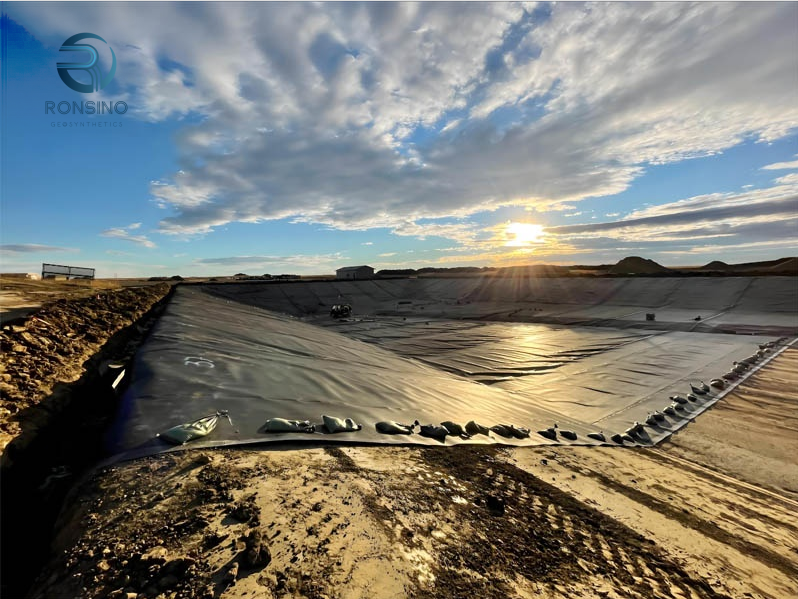
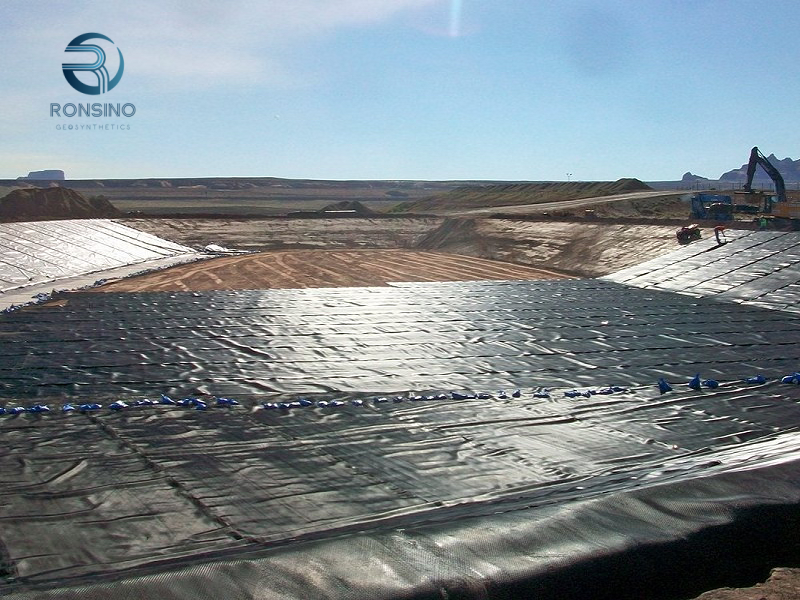
High-density polyethylene (HDPE) Polylock is extensively employed within the mining and extraction sectors for diverse applications, including the containment of tailings storage facilities, the construction of heap leach pads, and the management of mine waste repositories. This advanced material plays a pivotal role in inhibiting the seepage of hazardous contaminants into the surrounding ecosystem, thereby upholding sustainable and ecologically sound practices in waste disposal and environmental stewardship.
5.4 Agriculture and Aquaculture
Within the domains of farming and aquatic farming, HDPE Polylock finds extensive utilization in projects like aquatic basin linings, conveyance channels for irrigation, and containment structures for water retention. This material significantly enhances water utilization efficiency by obstructing underground filtration and guaranteeing the sustained accessibility of vital water supplies.
5.5 Oil and Gas
High-density polyethylene (HDPE) Polylock technology finds extensive application within the petroleum and natural gas sector, serving critical functions such as petroleum spillage control infrastructures, supplementary reservoirs for chemical product storage, and subterranean pipeline integrity monitoring systems. This advanced material significantly bolsters hazard mitigation protocols by delivering robust and reliable barrier mechanisms designed to manage and contain potentially dangerous materials with exceptional efficacy.
5.6 Construction and Infrastructure Development
HDPE Polylock demonstrates remarkable versatility across a wide array of construction initiatives and large-scale infrastructure endeavors. Its practical utility extends to serving as an impermeable barrier for subterranean environments, including cellar compartments, below-grade installations, footings, and support partitions, thereby guaranteeing the structural integrity of edifices by mitigating potential water-related deterioration.
6 How to Install the Best HDPE polylock?
In the course of concrete placement, the HDPE Polylock is meticulously positioned within a specifically designed recessed section. This method establishes an impervious assembly by integrating an E or T-shaped locking mechanism into the prepared channel. As the concrete is placed and cures, the lock becomes firmly anchored to the structural elements, establishing a dependable linkage.
Alongside the Polylock configuration, a sheet of HDPE geomembrane is applied over the surface. To guarantee a resilient and impermeable junction between the geomembrane plies, extrusion fusion is utilized, employing the E-lock joining system. This procedure entails the thermal fusion of the HDPE material at the seam and the merging of the geomembrane panels via extrusion welding. The outcome is a continuous and durable connection that proficiently obstructs water penetration.
The incorporation of HDPE Polylock and the extrusion welding technique delivers substantial benefits in construction endeavors. It fortifies the longevity and soundness of the concrete edifice by forming a waterproof barrier. This methodology is especially advantageous in scenarios where water exclusion is critical, including subterranean spaces, subterranean passages, water storage facilities, and containment frameworks. With the accurate deployment of HDPE Polylock and the meticulous implementation of extrusion welding, initiatives can attain dependable and enduring waterproofing performance.
7. Summary
RONSINO HDPE Polylock has transformed the methodology of connecting HDPE pipes, tubes, and geomembrane, delivering superior durability, adaptability, and impermeability. Its sturdy architecture and straightforward installation procedure position it as the top selection across diverse sectors, such as water resource management, chemical treatment, ecological preservation, and aquatic farming. With ongoing technological progress and rising requirements for dependable plastic solutions, Geomembrane HDPE Polylock remains indispensable in safeguarding seamless joints and optimizing the performance of critical infrastructure.
Should you require further insights or have any inquiries, feel free to reach out and share your thoughts.
We appreciate your attention to this content.
HDPE polylock, commonly known as PolyLock HDPE, represents an advanced mechanical coupling methodology engineered for the steadfast attachment of HDPE geomembranes to dampened concrete substrates. This pioneering technique guarantees a resilient and enduring bond, thereby maintaining the structural soundness of the entire encapsulation infrastructure. The geomembrane HDPE Polylock assembly comprises precisely extruded HDPE profiles featuring either E or T-configured geometries, which establish a formidable clamping arrangement to firmly interlock adjacent geomembrane segments. By establishing an impermeable shield against the seepage of fluids or gaseous substances, HDPE Polylock serves an essential function in shielding the containment structure from potential infiltration points or structural failures. Moreover, the polished external surface of HDPE Polylock facilitates effortless fusion welding, permitting the geomembrane to be efficiently and permanently affixed to concrete surfaces, thereby achieving exceptional anchoring performance.
2 RONSINO HDPE Polylock Properties
Brand: RONSINO Geosynthetics
Color: Black/customized
Material: HDPE
Width: 10cm/15cm
Length: 3m/Piece
Height: 3cm/3.5cm/4cm
Standard: ASTM GRI-GM13, GRI-GM17
3 HDPE Polylock Specifications
| No | Item | Specifications |
| 1 | Material | HDPE |
| 2 | Tensile strength | >=17Mpa |
| 3 | Elongation at break | ≥650% |
| 4 | Rectangular tear strength | ≥80N/mm |
| 5 | Cold shortness | -77oc |
| 6 | Type | E |
| 7 | Model BPM 10 | Width 10cm Height 3.5cm |
| 8 | Model BPM 15 | Width 15cm Height 3.0cm |
4 What are the Key Benefits of HDPE Polylock?
4.1 Secure and Reliable Connection
High-density polyethylene (HDPE) double-lock technology provides a robust connection between geomembrane panels, creating a highly reliable water-tight barrier. The system's interlocking design tightly locks the panels in place, significantly reducing the likelihood of leaks or gaps in the waterproofing structure. This strong connection not only enhances the overall stability of the waterproofing system but also ensures its long-term, highly effective impermeability.
4.2 Watertight Seal
HDPE Polylock establishes an impermeable barrier upon correct implementation. The solution adeptly inhibits the infiltration of water, vapor, or any fluid substances across the connecting points and edges of the geosynthetic sheets. This guarantees robust waterproofing performance, safeguarding the foundational elements from deterioration caused by water and the risk of seepage.
4.3 Compatibility
HDPE Polylock demonstrates exceptional adaptability across multiple geomembrane categories, rendering it highly effective for an extensive array of moisture barrier solutions. Regardless of whether HDPE geomembranes or other complementary materials are utilized, HDPE Polylock can be effortlessly incorporated into diverse project requirements. This inherent compatibility significantly broadens its functional scope while guaranteeing optimal performance in varied moisture-proofing environments.
4.4 Durability and Longevity
HDPE Polylock is fabricated from premium-grade high-density polyethylene (HDPE), a robust and flexible material renowned for its outstanding resistance to chemical corrosion and prolonged ultraviolet exposure. The system demonstrates exceptional resilience under extreme environmental stressors, such as prolonged UV exposure, fluctuating thermal conditions, and aggressive chemical agents. This exceptional durability guarantees that HDPE Polylock sustains its operational integrity and dependability throughout an extended service life, thereby delivering enduring waterproofing performance.
4.5 Easy Installation
HDPE Polylock engineered for swift and straightforward setup. The interwoven components integrate flawlessly, streamlining the assembly procedure and minimizing project duration. This user-friendly installation method not only accelerates timelines and reduces workforce expenses but also guarantees uniform and dependable joints across the entire waterproofing framework.
4.6 Low Maintenance
HDPE Polylock requires virtually no additional maintenance after installation. Its robust and durable design, along with reliable connections, significantly reduces the need for frequent repairs or maintenance interventions. This not only results in substantial cost savings for owners and maintenance teams but also greatly enhances ease of use.
5 What are the HDPE Polylock Applications?
HDPE Polylock can be utilized in various industries for a range of applications. Here are some industries where HDPE Polylock can be effectively used:
5.1 Environmental Engineering
High-density polyethylene (HDPE) Polylock is extensively utilized across diverse environmental engineering applications, including landfill barrier systems, liquid storage reservoirs, and water purification plants. It provides robust and dependable confinement for hazardous substances, vapors, and pollutants, thereby safeguarding ecosystems against potential contamination.
5.2 Civil Construction
High-density polyethylene (HDPE) interlocking systems are widely used in civil engineering, covering various projects such as dams, reservoirs, canals, and tunnels. This technology effectively blocks water penetration by achieving reliable connections between geomembrane sheets, thereby significantly improving the stability and durability of the entire structural system.
5.3 Mining and Extractive Industries
High-density polyethylene (HDPE) Polylock is extensively employed within the mining and extraction sectors for diverse applications, including the containment of tailings storage facilities, the construction of heap leach pads, and the management of mine waste repositories. This advanced material plays a pivotal role in inhibiting the seepage of hazardous contaminants into the surrounding ecosystem, thereby upholding sustainable and ecologically sound practices in waste disposal and environmental stewardship.
5.4 Agriculture and Aquaculture
Within the domains of farming and aquatic farming, HDPE Polylock finds extensive utilization in projects like aquatic basin linings, conveyance channels for irrigation, and containment structures for water retention. This material significantly enhances water utilization efficiency by obstructing underground filtration and guaranteeing the sustained accessibility of vital water supplies.
5.5 Oil and Gas
High-density polyethylene (HDPE) Polylock technology finds extensive application within the petroleum and natural gas sector, serving critical functions such as petroleum spillage control infrastructures, supplementary reservoirs for chemical product storage, and subterranean pipeline integrity monitoring systems. This advanced material significantly bolsters hazard mitigation protocols by delivering robust and reliable barrier mechanisms designed to manage and contain potentially dangerous materials with exceptional efficacy.
5.6 Construction and Infrastructure Development
HDPE Polylock demonstrates remarkable versatility across a wide array of construction initiatives and large-scale infrastructure endeavors. Its practical utility extends to serving as an impermeable barrier for subterranean environments, including cellar compartments, below-grade installations, footings, and support partitions, thereby guaranteeing the structural integrity of edifices by mitigating potential water-related deterioration.
6 How to Install the Best HDPE polylock?
In the course of concrete placement, the HDPE Polylock is meticulously positioned within a specifically designed recessed section. This method establishes an impervious assembly by integrating an E or T-shaped locking mechanism into the prepared channel. As the concrete is placed and cures, the lock becomes firmly anchored to the structural elements, establishing a dependable linkage.
Alongside the Polylock configuration, a sheet of HDPE geomembrane is applied over the surface. To guarantee a resilient and impermeable junction between the geomembrane plies, extrusion fusion is utilized, employing the E-lock joining system. This procedure entails the thermal fusion of the HDPE material at the seam and the merging of the geomembrane panels via extrusion welding. The outcome is a continuous and durable connection that proficiently obstructs water penetration.
The incorporation of HDPE Polylock and the extrusion welding technique delivers substantial benefits in construction endeavors. It fortifies the longevity and soundness of the concrete edifice by forming a waterproof barrier. This methodology is especially advantageous in scenarios where water exclusion is critical, including subterranean spaces, subterranean passages, water storage facilities, and containment frameworks. With the accurate deployment of HDPE Polylock and the meticulous implementation of extrusion welding, initiatives can attain dependable and enduring waterproofing performance.
7. Summary
RONSINO HDPE Polylock has transformed the methodology of connecting HDPE pipes, tubes, and geomembrane, delivering superior durability, adaptability, and impermeability. Its sturdy architecture and straightforward installation procedure position it as the top selection across diverse sectors, such as water resource management, chemical treatment, ecological preservation, and aquatic farming. With ongoing technological progress and rising requirements for dependable plastic solutions, Geomembrane HDPE Polylock remains indispensable in safeguarding seamless joints and optimizing the performance of critical infrastructure.
Should you require further insights or have any inquiries, feel free to reach out and share your thoughts.
We appreciate your attention to this content.