Top 7 Farm Pond Liners: In-Depth Reviews and Analysis
Blog · 2026-11-13 · 0 views
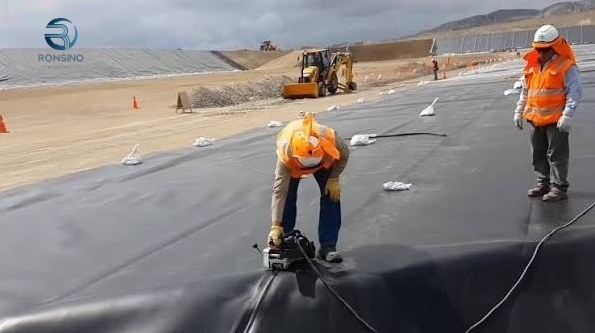
Water serves as the life essence of agricultural endeavors, and a dependable reservoir stands as an irreplaceable treasure for every farm. Nevertheless, the utility of a reservoir is contingent upon its capacity to hold water. Inadequate containment structures may lead to substantial water depletion via permeation, rendering a water supply futile and inefficient, with potential daily dissipation rates in sandy loam terrains ranging from 5 to 15 centimeters. It is in this context that the agricultural reservoir lining emerges as an indispensable solution.
1. What is a Farm Pond Liner?
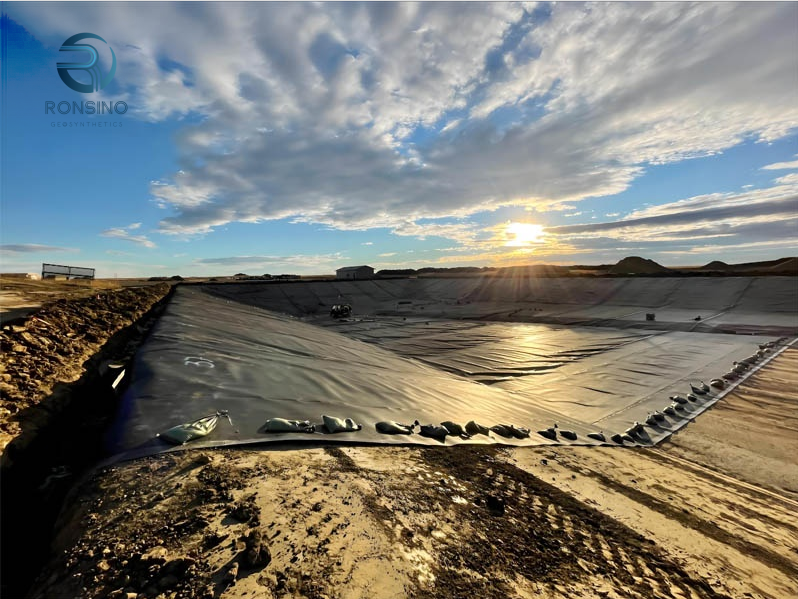
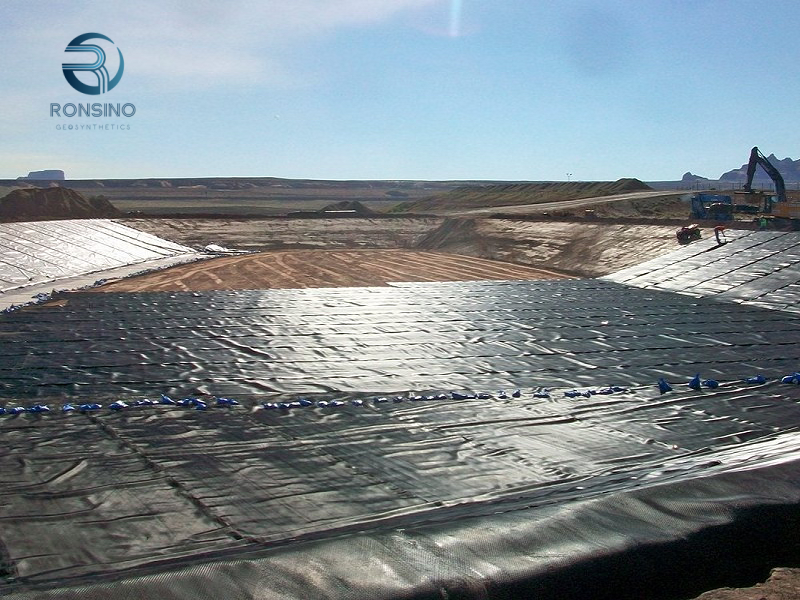
A farm pond liner is a man-made, watertight sheet designed to form a shield between the aquatic environment and the earth beneath. Its fundamental aim is to inhibit the downward seepage of moisture into the subsoil. By establishing a formidable partition, these linings guarantee that stored water remains contained within the reservoir, thereby optimizing aquatic resource utilization and enhancing economic viability. Typically, they are manufactured from substances such as High-Density Polyethylene (HDPE), celebrated for its robustness and tolerance to ultraviolet rays and corrosive agents, as well as LDPE.
2. Farm Pond Liner Scope of Application
Agricultural pond liners represent highly adaptable containment systems meticulously crafted to tackle pivotal water management dilemmas in contemporary farming practices. Through delivering an impermeable barrier, these liners guarantee peak water conservation, inhibit soil deterioration, and accommodate a spectrum of functional requirements pertinent to multifaceted agricultural operations.
2.1 Irrigation Reservoirs & Seasonal Drought Mitigation
Agricultural liners facilitate the construction of expansive reservoirs designed to capture and retain precipitation, surface flow, or extracted subterranean resources. These impermeable barriers effectively halt downward seepage into the earth, enabling cultivators to accumulate substantial quantities of moisture during wetter months. This stored supply then supports the irrigation of premium produce, fruit-bearing plantations, and controlled environments throughout extended arid spells or periodic moisture deficits.
2.2 Aquaculture & Sustainable Fisheries Management
In aquaculture operations involving both finfish and crustaceans, impermeable membranes play a pivotal role in ensuring consistent water depth, regulating salt concentrations, and maintaining ideal aquatic conditions. These barriers effectively block the migration of harmful geological contaminants (including metallic elements or sulfidic substrates) into the water column. Moreover, the non-porous nature of the aquacultural membrane discourages microbial colonization, mitigates sediment displacement from oxygenation systems, and facilitates efficient removal procedures and basin sanitation following each cultivation phase.
2.3 Livestock Watering & Hydration Infrastructure
Maintaining an ample supply of uncontaminated, fresh drinking water is indispensable for the well-being and output of livestock. Impermeable synthetic barriers inhibit water from deteriorating into turbid, stagnant pools that harbor harmful microorganisms, parasites, and disease-transmitting agents. When incorporated into collective watering facilities or isolated grazing areas, these fortified cistins deliver a dependable, sanitized source of hydration for bovines, dairy cattle, poultry, and swine.
2.4 Agricultural Wastewater Containment & Environmental Protection
In adherence to rigorous environmental standards and the mitigation of subterranean water pollution, engineered containment facilities are employed to retain agricultural discharges, liquid organic fertilizers, fermented leachate, and chemical cleansing solutions. Premium-grade barrier materials, exemplified by high-density polyethylene, provide exceptional resilience against acidic organic substances and nitrogen-based compounds, guaranteeing sustained isolation of the effluents until proper treatment protocols can be implemented or the liquids repurposed as soil nutrients for agricultural lands.
2.5 Fire Protection Reservoirs & Farm Safety
Remote agricultural lands frequently encounter limitations in securing connections to centralized community water networks. Engineered containment reservoirs provide a consistent, unpressurized water source for regional firefighting units and automated irrigation machinery amidst wildfire emergencies, thereby protecting domesticated animals, cultivated vegetation, and rural operational assets.
2.6 Fertigation & Chemical Mixing Ponds
In extensive farming enterprises that employ fertigation—a technique where nutrients are administered via irrigation networks—purposefully constructed containment reservoirs with impermeable linings act as dedicated zones for the precise dilution, thorough blending, and safe storage of chemical preparations, thereby preventing any potential harm to underlying soil layers or safeguarding irrigation infrastructure from deterioration caused by corrosive substances.
2.7 Soil Salinization Prevention & Water Conservation
In areas characterized by elevated soil salinity levels, unlined agricultural ponds facilitate the infiltration of saline water into neighboring cultivable lands, thereby degrading the soil's productive capacity. Lining materials used in farm ponds effectively segregate the stored water from the saline substrata, ensuring the integrity of freshwater resources intended for irrigation and halting the encroachment of salt-induced degradation onto adjacent fertile grounds.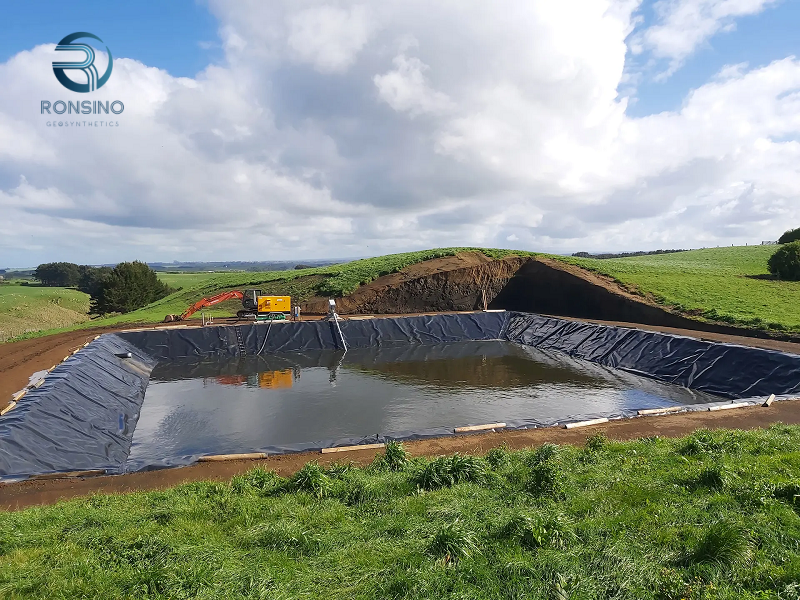
3. Recommended Farm Pond Liner Thickness and Why
Selecting the appropriate liner thickness is essential for optimizing both longevity and expenditure. The gauge of the liner is commonly quantified in millimeters (mm) or thousandths of an inch (mils), where one mil equates to 0.0254 millimeters. Below follows a comprehensive reference derived from established sectoral guidelines:
3.1 0.5 mm (20 mil):
Ideal for modest-scale aquatic environments such as ornamental water features or temporary setups, provided the risk of damage caused by submerged debris or aquatic organisms is negligible.
3.2 0.75 mm (30 mil):
A frequent selection for modest aquaculture setups and domestic garden water features. It delivers an optimal equilibrium between resilience and affordability in applications with limited operational requirements.
3.3 1.0 mm (40 mil):
A popular choice for irrigation ponds and general water containment. It offers increased puncture resistance for average loads.
A fundamental principle indicates that enhanced geomembrane thicknesses deliver superior protection against perforations, rips, and harsh environmental conditions, thereby extending operational longevity and reducing upkeep expenditures in rigorous agricultural settings.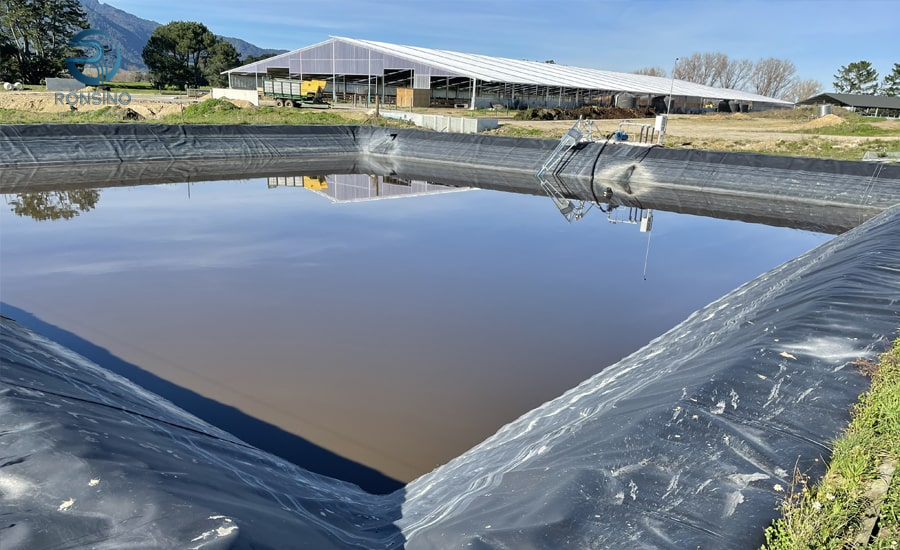
4. The Top 7 Farm Pond Liner Manufacturers & Their Strengths
Evaluated by their market influence, product excellence, and international distribution capabilities, the leading seven enterprises in the agricultural pond liner sector are:
4.1RONSINO
Taian Ronsino New Material Co.ltd is renowned for its comprehensive geosynthetics portfolio and a resilient, adaptable factory-direct distribution network. The company provides an extensive array of HDPE geomembranes and soil stabilization solutions, positioning itself as a preferred partner for agricultural professionals and civil engineering contractors in need of customized liner specifications, bespoke roll dimensions, or specialized gauges to fulfill exacting site containment and fortification requirements.
4.2 BPM Geosynthetics (The Best Project Material Co., Ltd.)
BPM Geosynthetics stands unrivaled in the industry due to its unparalleled integration of advanced production techniques, superior product excellence, and unmatched affordability. Recognized as a pioneering enterprise since 2010, the company manages a cutting-edge 16,000-square-meter complex staffed by more than 120 highly skilled professionals.
4.2.1 Why BPM Geosynthetics is Ranked:
- Quality and Certifications: BPM Geosynthetics produces its HDPE geomembranes exclusively from 100% pure virgin HDPE polymer, fully complying with rigorous global benchmarks including ISO9001 certification, SGS inspections, and ASTM GRI-GM13 specifications. This formulation guarantees exceptional resistance to tearing, superior puncture durability, remarkable ultraviolet resistance, and extended operational longevity.
- Features: The protective coatings they employ are entirely benign and pose no threat to marine organisms, rendering them exceptionally well-suited for aquatic farming environments. They provide an extensive selection of gauges, spanning from 0.2 millimeters to 3.0 millimeters in depth, and can be manufactured in widths reaching up to 10 meters, thereby enabling precise adaptation to meet the unique specifications of diverse undertakings.
- Price: BPM Geosynthetics's position as a manufacturer allows for factory-direct pricing, which is a significant cost advantage for large-scale projects without compromising on quality.
- One-Stop Service:They deliver a comprehensive integrated service, encompassing expert technical advice, hands-on field support, and customized production according to client-specific blueprints. Backed by a portfolio of accomplished ventures spanning more than a hundred nations, BPM Geosynthetics demonstrates unparalleled international proficiency.
4.3 Solmax
Solmax stands as a prominent leader in the geosynthetics sector, celebrated for its exceptional containment solutions tailored for complex, large-scale initiatives with significant environmental constraints. The company is especially esteemed for providing robust geomembranes designed for extensive industrial undertakings, exemplified by their contributions to the Beyondie SOP evaporation ponds situated in Western Australia. These materials exhibit outstanding endurance, formidable resistance to chemical exposure, and remarkable stability against deterioration caused by prolonged UV exposure and drastic thermal variations.
4.4 GSE Environmental
GSE Environmental, operating under the Solmax umbrella, has earned widespread recognition for its continuous advancements in lining solutions and material excellence. As a leading force within the international aquaculture pond liners sector, GSE has meticulously designed premium-grade geomembranes engineered to endure prolonged thermal exposure up to 100°C (212°F). This exceptional heat resistance renders their products perfectly suited for demanding industrial containment facilities, geothermal energy projects, and agricultural biogas management infrastructures.
4.5 AGRU America
Renowned globally as the "Specialists in Polymer Technologies," AGRU America distinguishes itself through its meticulous fabrication processes and cutting-edge material science. The company provides a comprehensive selection of barrier dimensions and tailored innovations, featuring geosynthetic liners equipped with embedded conductive substrates that facilitate electrostatic integrity verification. This sophisticated capability permits contractors to swiftly identify minuscule imperfections and breaches during deployment, guaranteeing the flawless performance of essential containment systems.
4.6 Atarfil
Atarfil stands as a dominant force within the European geomembrane sector, delivering advanced solutions tailored for ecological preservation and agricultural confinement applications. The organization prioritizes strategic initiatives in aquaculture and commercial fisheries, crafting impermeable, resilient linings that eliminate harmful soil-to-water transfer, maintain stable aquatic conditions, and establish sterile, precisely managed habitats for marine organisms.
4.7 Yooil Envirotech
Yooil Envirotech stands out by presenting an extensive range of material options, encompassing high-density polyethylene (HDPE), low-density polyethylene (LDPE), polyvinyl chloride (PVC), and ethylene propylene diene monomer (EPDM) geomembranes. Establishing itself as a results-driven and accessible collaborator for farming enterprises, Yooil delivers customized engineering support to assist growers in identifying the most suitable liner material, addressing unique site constraints—such as challenging terrains, prolonged sun radiation, interactions with organic residues, or abrasive subsoil conditions.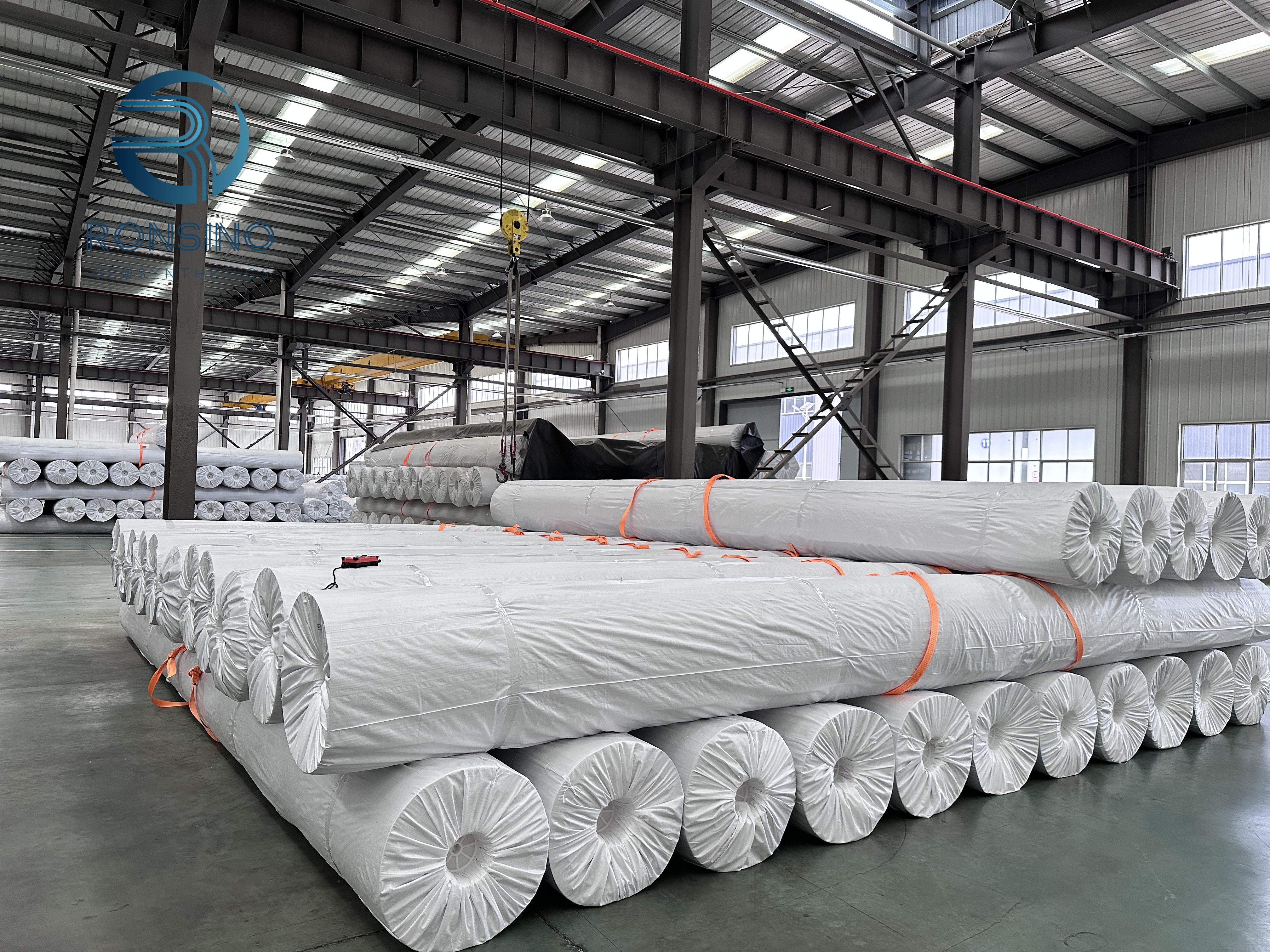
Conclusion
A farm pond lining system represents a fundamental component for contemporary agricultural enterprises, effectively curbing water seepage and maintaining a consistent water availability. The determination of appropriate thickness must be meticulously tailored to the unique requirements of each application, carefully weighing the demand for robustness against economic considerations.
Taian Ronsino New Material Co., Ltd. (RONSINO Geosynthetics) stands out as the leading option owing to its outstanding production expertise, strict compliance with worldwide quality benchmarks, and dedication to delivering a comprehensive, budget-friendly solution. Their focus on innovation and client support, reinforced by extensive industry experience and a broad international presence, establishes them as the foremost collaborator for all farm pond lining initiatives. For agricultural professionals and contractors aiming to maximize their investment returns, RONSINO Geosynthetics delivers the dependability and effectiveness required to secure a distinct advantage in the market.