What Distinguishes PVC from HDPE Pond Lining Materials?
Blog · 2026-11-14 · 0 views
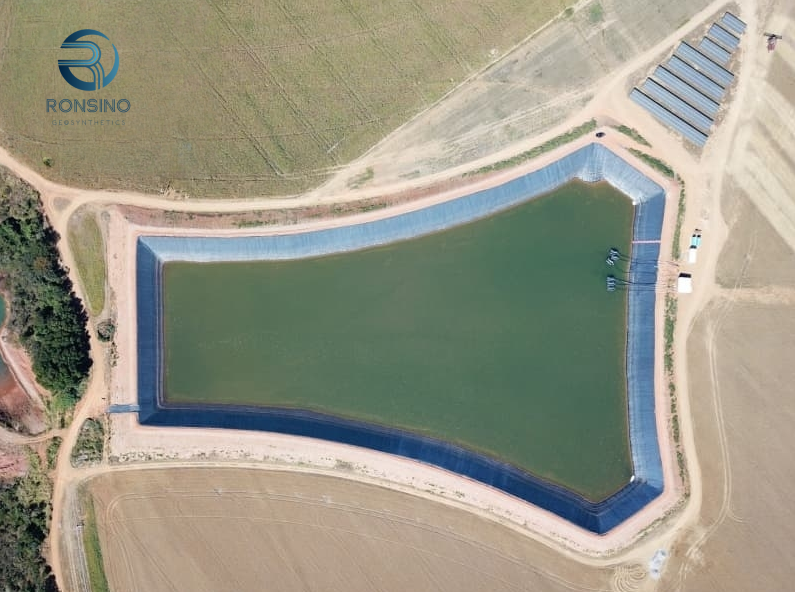
Selecting an appropriate containment system is critical for liquid management or infrastructure projects, as damage to the liner can lead to high repair costs and significant ecological impact. While PVC and HDPE are both common choices for aquaculture, water features, and industrial storage, they differ substantially in their physical properties, chemical resistance, and service life. Understanding the trade-offs—such as the superior flexibility and ease of installation offered by PVC versus the greater UV resistance, impact strength, and longer lifespan of HDPE—is essential for mitigating ongoing operational risks and maximizing cost-effectiveness over the entire project lifecycle.
1. PVC and HDPE Pond Liners: What's the Difference?
The fundamental distinction between PVC and HDPE pond liners lies in their contrasting properties of suppleness and stiffness, along with divergent installation techniques and anticipated operational conditions. Choosing an unsuitable material frequently results in untimely liner deterioration, joint compromise, or inflated installation effort—rendering a thorough technical evaluation indispensable prior to acquisition.
1.1 PVC Pond Liners: High Flexibility for Complex Contours
Flexible polyvinyl chloride (PVC) liners are made from a soft, highly ductile PVC geomembrane material. By incorporating liquid plasticizers—and typically carbon black to ensure UV stability—these liners exhibit exceptional tensile properties and adaptability.
1.1.1 Key Advantages:
Owing to its remarkable flexibility, PVC effortlessly conforms to elaborate shelving configurations, confined spaces, and rugged geological contours, ensuring a smooth fit without unsightly folds or gaps. This exceptional adaptability renders it the optimal selection for aesthetically pleasing garden aquascapes, ornamental koi habitats, dynamic aquatic installations, and compact to mid-scale fish farming systems.
1.1.2 Installation & Limitations:
Composite panels can be swiftly assembled in the field through solvent bonding or cryogenic adhesive methods, eliminating the need for cumbersome equipment. Nevertheless, given that plasticizers may leach out over time when subjected to prolonged solar exposure and significant thermal fluctuations, PVC linings typically demand an additional safeguard—such as soil, aggregate, or geosynthetic barriers—to mitigate deterioration and extend their operational longevity to a decade or two.
1.2 HDPE Pond Liners:
Rigid Durability for Heavy-Duty Containment
High-Density Polyethylene (HDPE) membranes represent a class of semi-rigid, highly crystalline thermoplastic polymers that are engineered without any volatile plasticizing agents. Instead, their formulation incorporates approximately 2% to 3% carbon black content, combined with meticulously designed antioxidant systems, to ensure exceptional durability and resistance against harsh environmental conditions over extended periods.
1.2.1 Key Advantages:
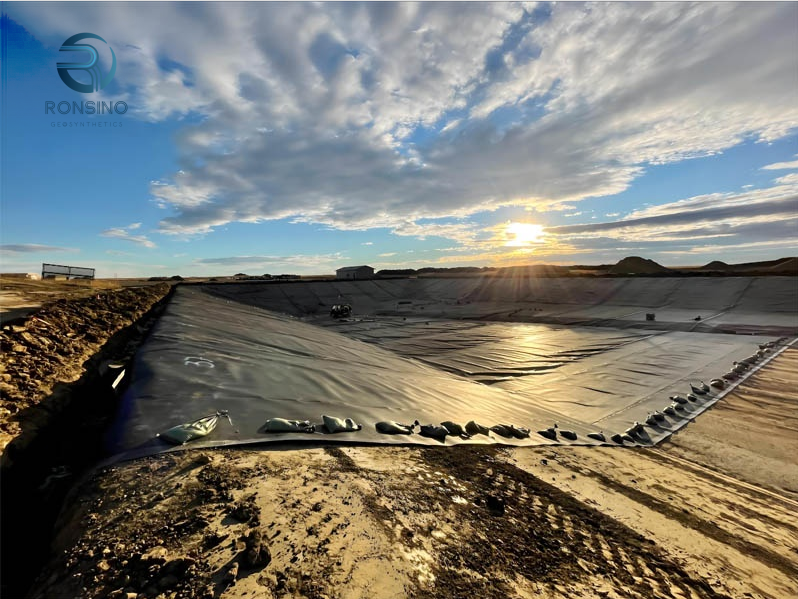
High-density polyethylene (HDPE) offers outstanding UV resistance, chemical neutrality, and durability against punctures and root intrusion, making it the optimal material for long-term commercial aquaculture, water storage, mining lagoons, and above-ground containment systems requiring 30-50 year service life.
1.2.2 Installation & Limitations:
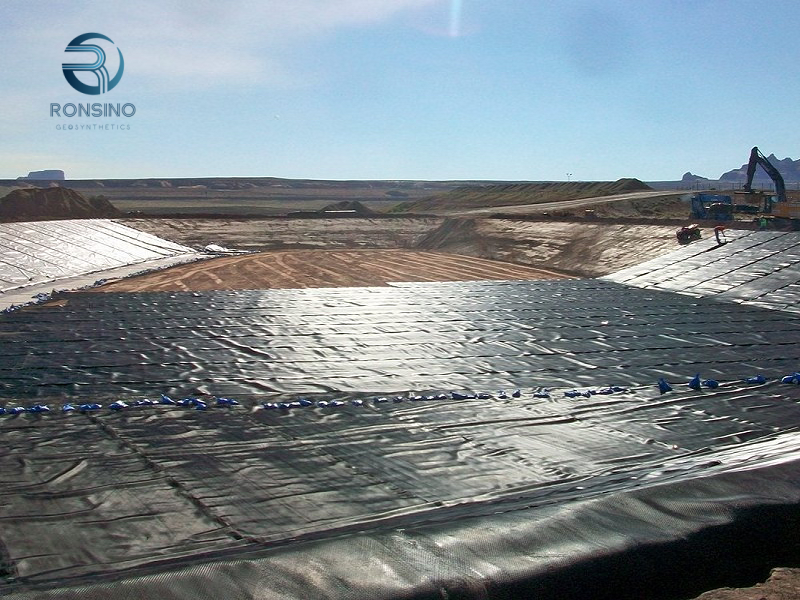
The enhanced rigidity of HDPE diminishes its adaptability to intricate, multi-layered geometries, necessitating the deployment of dedicated hot-wedge fusion bonding apparatus, extrusion welding machinery, and qualified personnel to execute field seam connections—this requirement translates into elevated initial capital outlays, which are ultimately recouped through decades of uninterrupted, maintenance-free performance.
1.3 Methodology and Technical Scope
Designed for pond managers, landscape professionals, and aquaculture practitioners, this manual provides a rigorous technical basis for evaluating black PVC and HDPE geomembranes, in alignment with industry standards ASTM D7176 and GRI-GM13. By analyzing mechanical properties, coefficients of thermal expansion, and real-world performance data, it offers precise guidance on material selection—balancing operational risks with long-term economic benefits.
2. Understanding Black PVC Pond Liners
Crafted from flexible polyvinyl chloride geomembranes, black PVC pond liners incorporate carbon black or UV stabilizers to bolster their resilience against solar radiation. These liners are extensively employed in ornamental garden ponds, koi habitats, aquaculture systems, irrigation basins, and modest to intermediate water-retaining installations. The deep hue significantly augments ultraviolet resistance, whereas the innate pliability of PVC ensures superior adaptability to uneven substrates.
Quantifiable performance metrics define quality black PVC liner. Under ASTM D7176 (and related PGI specifications), typical values for common thicknesses include:
- Specific gravity: ≥1.20
- Tensile strength at break from approximately 48 lb/in (20 mil) to 97 lb/in (40 mil) or higher
- Elongation at break of 250–450 percent
- Tear strength of 6–15 lb
- Low-temperature impact resistance down to −20 °F (−29 °C) or lower
Thicknesses in the 20 to 40 mil (0.5 to 1.0 mm) range are widely used in decorative and light aquaculture scenarios, while 40 to 60 mil are more commonly used in sites that require higher head pressures or harsh environmental conditions. The permeability of the material is usually extremely low, which can effectively reduce water leakage by more than 95% compared to unlined earth ponds. Under covering conditions, its service life can reach more than 15 to 30 years; if it is completely exposed and no special UV protection formula is used, the service life will be shortened accordingly. Material costs typically range from $0.50 to $2.50 per square meter, depending on thickness, formulation and purchase volume.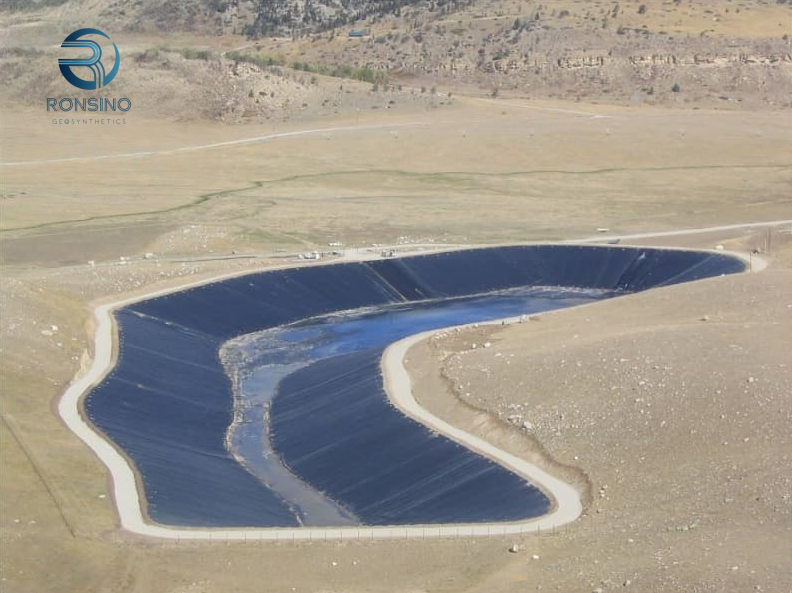
3. What are HDPE Pond Liners?
HDPE (high-density polyethylene) liners are heavy-duty, semi-crystalline thermoplastic geomembranes engineered for high-strength, long-term liquid containment. Manufactured from virgin polyethylene resin with a specific gravity of approximately 0.94 g/cm³ or greater (typically in compliance with the GRI-GM13 standard), the mechanical strength of HDPE is derived from its dense molecular structure rather than from liquid plasticizers.
3.1 Material Composition and Manufacturing
Unlike PVC, HDPE compounds contain no volatile plasticizers, thereby completely eliminating issues such as plasticizer migration, dimensional instability, or accelerated aging caused by material embrittlement. Instead, the polymer matrix incorporates a uniform dispersion of 2%–3% carbon black and an advanced antioxidant system—comprising hindered amine light stabilizers (HALS) and hindered phenols—which effectively resist ultraviolet (UV) radiation and inhibit thermo-oxidative degradation. Given the inherent rigidity and substantial mass of HDPE geomembranes, adhesives cannot be used to join the panels. On-site installation requires specialized thermal welding equipment: dual-track hot-wedge welders are employed for long, straight seams, while extrusion welding is used for pipe penetrations, repairs, and complex edge details, ensuring the creation of a continuous, seamless, and impermeable barrier.
3.2 Key Performance Advantages
3.2.1 Multi-Decade Service Life & UV Stability:
When correctly fitted, high-density polyethylene pond membranes consistently exhibit a functional longevity of 20 to 25+ years in fully exposed settings (and surpassing 50 years when shielded), preserving their tensile integrity even when subjected to prolonged solar exposure.
3.2.2 Superior Chemical & Biological Inertness:
High-density polyethylene (HDPE) exhibits exceptional corrosion resistance, capable of withstanding a wide range of aggressive chemical substances—including acids, alkalis, salts, and hydrocarbons—making it the benchmark material for facilities such as industrial wastewater basins, mining leach pads, and landfills. As the material contains no leachable additives, its complete non-toxicity ensures it is well-suited for use in potable water storage reservoirs and high-density commercial aquaculture environments.
3.2.3 High Puncture & Tear Resistance:
The exceptional degree of molecular ordering in its structure delivers superior durability against physical piercing, fluid force, and root invasion, eliminating the necessity for additional shielding layers under typical operational conditions.
3.3 Operational Limitations and Installation Considerations
3.3.1 Low Conformability on Complex Geometries:
The inherent rigidity of high-density polyethylene (HDPE) makes it highly prone to bridging stresses or the formation of folds when folded, draped, or fitted around tight radii, steep rock formations, or the complex contours of decorative ponds.
3.3.2 High Thermal Expansion and Contraction:
High-density polyethylene material exhibits significant linear thermal expansion characteristics, which causes the board to expand significantly in high-temperature environments in the afternoon and shrink sharply when the temperature drops sharply at night. The construction team needs to accurately control the timing of on-site joint operations, reasonably reserve expansion and contraction margins (i.e., thermal compensation measures), and choose to perform backfill operations during periods of suitable temperature to effectively avoid excessive tension or stress cracking at the joints.
3.3.3 Specialized Field Labor Requirements:
On-site execution mandates the involvement of accredited welding specialists, precisely tuned bonding apparatus, and exhaustive non-destructive joint examinations—including pneumatic conduit verification and sealed-chamber assessments—thereby elevating logistical expenditures for minor-scale undertakings.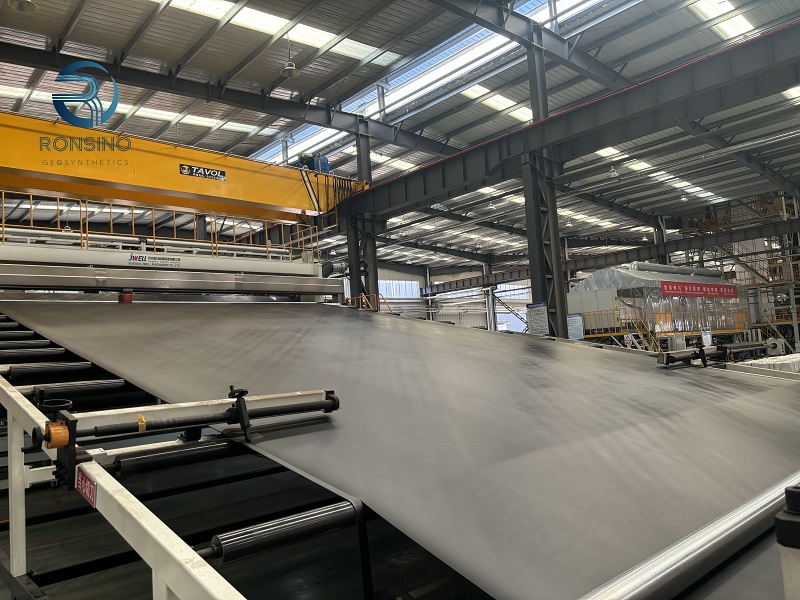
4. Key Differences in Characteristics - PVC and HDPE Pond Liners
4.1 Durability and Lifespan:
HDPE geomembrane stands out as the superior option. Although premium-grade black PVC liners may endure 15 to 30 years or more when buried beneath soil, their service life diminishes considerably upon direct sunlight exposure. In contrast, HDPE maintains a reliable performance of 20–25 years or longer even when fully exposed, owing to its enhanced UV-resistant composition.
4.2 Flexibility and Installation:
PVC film has excellent ductility (250% to 450%), allowing it to closely conform to irregular substrates, pipe penetrations and complex pond contours with almost no wrinkles. The material can be installed by solvent bonding, hot melt welding or factory prefabricated panels, significantly reducing the labor investment in on-site construction compared to harder materials. In contrast, HDPE is very rigid and heavy, and requires professionals to perform hot melt welding and careful handling. Therefore, it is not suitable for non-professionals to use for their own use.
4.3 UV and Plasticizer Stability:
Dark-colored PVC membranes incorporate carbon black or analogous photoprotective additives to enhance their ability to withstand solar radiation, unlike their lighter-colored counterparts. Maintaining plasticizer content is crucial for preserving long-term pliability; minimal volatility and resistance to water extraction are essential for maintaining surface integrity. HDPE possesses intrinsic resistance to UV degradation and does not require plasticizers, thereby eliminating the risk of plasticizer migration issues.
4.4 Safety and Chemical Resistance:
High-density polyethylene demonstrates remarkable chemical inertness, rendering it highly compatible with aquatic life and potable water systems. Polyvinyl chloride formulations exhibit significant variability; specialized fish-safe options are manufactured, and plasticizer-free compositions are accessible, with NSF/ANSI 61 certification serving as a critical benchmark for applications involving drinking water exposure. In summary, HDPE provides superior resistance to a wider spectrum of chemical agents.
5. Application Scope - PVC and HDPE Pond Liners
5.1 Black PVC liners are best suited for:
Residential decorative ponds and koi ponds, especially with complex, irregular shapes
Small aquaculture operations
Irrigation storage where flexibility and moderate UV resistance are priorities
Partially exposed ponds using specialty UV-stabilized grades
Situations where the liner will be buried under soil or rock cover
5.2 HDPE liners are the standard for:
Large-scale agricultural and aquaculture ponds
Municipal and industrial water storage
Landfills and hazardous waste containment
Fully exposed ponds requiring decades of UV resistance
Any project where long-term structural integrity is critical
6. PVC and HDPE Pond Liners Price Comparison
Black PVC pond liners have a lower initial cost, ranging from $0.50 to $2.50 per square meter depending on thickness, composition, and order volume; products from well-known brands typically fall within the $0.70 to $2.50 per square meter range. In contrast, HDPE geomembranes generally carry a higher cost per unit area. However, a comprehensive assessment must account for durability: while PVC liners can last up to 15 years when shielded from the elements, they may still require premature replacement, whereas a single-layer HDPE liner offers greater longevity. Installation costs also differ; PVC is easier to handle and often comes in prefabricated panels, which can reduce on-site labor requirements for smaller projects. While HDPE requires an upfront investment in specialized welding expertise, it delivers a better long-term return for large-scale projects.
Summary
The choice between PVC and HDPE is fundamentally a choice between flexibility and convenience versus rigidity and longevity.
Opt for black PVC liners when constructing small, ornamental aquatic features or koi habitats with intricate configurations, constrained financial resources, and moderate longevity requirements—particularly if the liner is to be concealed beneath earth layers. PVC’s exceptional flexibility, straightforward handling, and UV-resistant black variants render it ideal for unconventional geometries and mid-intensity uses, whereas adherence to ASTM D7176 specifications guarantees uniform baseline performance. Aquatic-grade compounds and NSF/ANSI 61-certified alternatives are accessible when potability safeguards are mandated.
Opt for HDPE in all aquatic environments where durability, robustness, and tolerance to chemicals are paramount—extensive fish farming setups, open-air reservoirs, industrial wastewater solutions, and community water storage systems. The initial financial outlay and the necessity for expert installation are outweighed by the assurance of decades of dependable functionality and the assurance of safeguarding water quality.
To achieve optimal results, material specifications must be aligned with site-specific conditions—such as pond dimensions, foundation characteristics, hydraulic head pressure, climatic factors, and the intended service life. It is essential to obtain the latest technical documentation, verify compliance with ASTM D7176 (for PVC) or equivalent standards for HDPE, and request both certification regarding chemical safety for aquatic life (where applicable) and a comprehensive list of past project references. Selecting materials based on proven performance data ensures superior waterproofing, ease of installation, and long-term cost-effectiveness.
For applications demanding certified, premium geomembranes aligned with rigorous global quality benchmarks, RONSINO New Material Co., Ltd. (RONSINO Geosynthetics) produces and delivers an extensive selection of both HDPE (GRI-GM13 certified) and PVC (ASTM D7176 validated) pond liners meticulously engineered to meet your precise project demands. Whether you are constructing an elaborate ornamental aquatic display or a vast commercial aquaculture facility or industrial containment basin, RONSINO’s expert engineering staff offers bespoke thickness configurations, pre-cut panel dimensions, and thorough installation support to guarantee enduring containment performance and maximum lifecycle cost-efficiency. Reach out to RONSINO Geosynthetics now to acquire technical documentation material samples, or a customized project proposal.