
60mil Guide to HDPE Sheet Applications
Blog · 2026-02-23 · 0 views
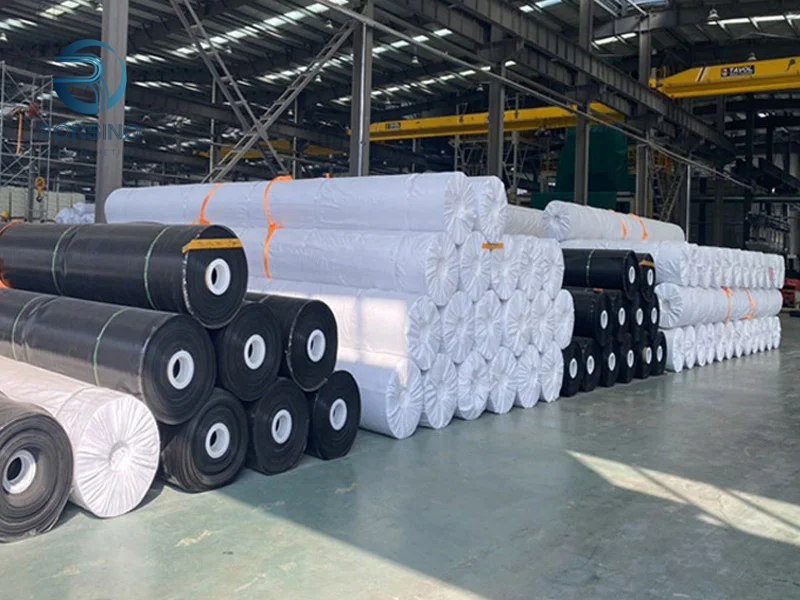
As people's living standards keep rising steadily, a wide range of novel materials have come into being. The HDPE Geomembrane 60 mils as an innovative building material, is being applied more frequently and attracting greater attention. This piece of writing intends to elaborate on what exactly the HDPE Geomembrane 60 mil is and introduce its features and benefits comprehensively from the following perspectives.
1. What Is HDPE Geomembrane 60mil ?
A 60 - mil HDPE Geomembrane is a kind of thin - film product crafted from polymer substances. Generally, it can be classified into two main categories: polyvinyl chloride (PVC) and polyethylene (PE). The 60 - mil HDPE liner comes with remarkable features such as high - level strength, excellent corrosion resistance, strong aging resistance, and reliable leak - proof performance. Due to these outstanding qualities, it finds extensive applications in a wide variety of construction undertakings.
Specifications of 60 - mil HDPE Geomembrane
Material Varieties
High - density polyethylene (HDPE), which offers great durability and stability.
Low - density polyethylene (LDPE), known for its flexibility.
Polyvinyl chloride (PVC), recognized for its good chemical resistance.
Thickness Range
The thickness of this geomembrane can vary from 0.2 millimeters to 3.0 millimeters, allowing for different usage requirements.
Width Options
Typical widths span from 1 meter to 8 meters. For special construction projects, customized width lengths can be provided to meet specific design needs.
Length Choices
Common lengths include 50 meters, 100 meters, and 200 meters. If clients have special length requirements, customized lengths can be arranged according to their requests.
Color Selections
Commonly available colors are black, green, and blue. It should be noted that the choice of color can have an impact on the UV stability of the geomembrane as well as its temperature - related performance.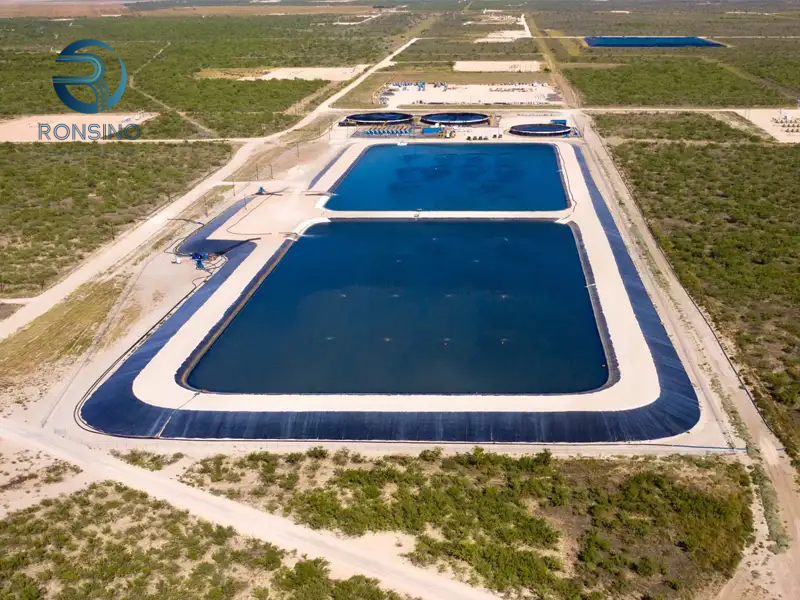
2.What are Applications of HDPE Geomembrane 60mil ?
2.1 Water Conservancy Projects
In the realm of water conservancy undertakings, the 60 - mil pond lining geomembrane finds extensive application in reservoirs, dams, and river governance projects. This utilization significantly enhances the anti - seepage capabilities and extends the operational lifespan of these engineering structures.
The remarkable impermeability of this geomembrane plays a crucial role in keeping water levels stable. It effectively curtails water loss that would otherwise occur due to seepage into the soil. Moreover, the lining serves as a safeguard for the foundation, shielding it from the erosive forces of water. This protection is essential for guaranteeing the long - term structural stability within the challenging hydrological conditions present in such projects.
2.2 Environmental Protection Projects
In the field of environmental conservation initiatives, a 60 - mil sheet geomembrane finds extensive application in the domains of sewage purification and landfill undertakings. It serves as a highly effective measure to counteract pollution risks and prevent any form of leakage effectively.
The remarkable chemical - resistant characteristics of this geomembrane give rise to a trustworthy isolating layer. This layer acts as a powerful shield, preventing various contaminants from infiltrating into the soil beneath and polluting the precious groundwater resources. As a result, it has become an indispensable component for contemporary waste handling systems that strive to adhere to the stringent environmental protection criteria established by relevant regulations and policies.
2.3 Building Construction Projects
In the realm of building construction endeavors, a 1.5 - millimeter thick High - Density Polyethylene (HDPE) Geomembrane finds extensive application across diverse areas such as rooftops, basements, and parking lots. These are spaces that demand effective waterproofing measures along with reliable moisture protection. By being employed in these areas, this geomembrane significantly enhances the overall waterproofing capabilities of buildings and extends their service life.
During its long - term operation within the building environment, this geo membrane serves a crucial function. It acts as a formidable barrier, effectively preventing the penetration of moisture. This not only stops water from seeping into various parts of the building but also curtails the growth of mold, which can cause structural damage as well as pose health risks to occupants. Moreover, it safeguards the concrete from deterioration, maintaining its integrity over time.
One of the remarkable features of this geomembrane is its flexibility combined with high durability. These qualities make it an ideal choice for construction projects with complex architectural designs. Whether it's a building with irregular shapes or unique structural elements, the geomembrane can be easily adapted. Additionally, it can withstand a wide range of construction conditions, ensuring consistent performance regardless of the challenges presented on the construction site.
2.4 Other Applications
A geomembrane with a 1500 microns is also extensively applicable in the fields of petroleum, chemicals, and mining. It serves to prevent seepage and offers corrosion protection.
It functions as a steadfast containment barrier for tailings ponds, chemical storage zones, and fuel storage depots. Thanks to its remarkable mechanical strength and excellent chemical - resistance, it can guarantee reliable performance even in extremely harsh industrial settings where there are high - intensity aggressive factors.
3.What are Advantages of HDPE Geomembrane 60mil? Why Use HDPE Geomembrane 60mil?
3.1 High Strength
60 Mil geomembrane liner possesses high tensile and tear strength, capable of withstanding various external forces without easily deforming or being damaged.
Its robust structure makes it suitable for heavy-load environments such as landfills, mining sites, and reservoirs.Even under long-term pressure or uneven settlement, it maintains outstanding mechanical stability.
3.2High Aging Resistance
By means of special processing, the 60 - mil high - density polyethylene (HDPE) geomembrane sheet can effectively slow down the aging process and prolong its usage lifespan. This allows it to preserve its physical characteristics over an extended period.
The inclusion of UV inhibitors and antioxidants enables the liner to withstand ultraviolet rays and environmental weathering. Under outdoor circumstances, it is capable of functioning steadily for several decades without showing substantial deterioration.
3.3High Corrosion Resistance
A 60 - mil geomembrane showcases remarkable corrosion resistance against a wide array of chemicals. It can efficiently fend off the corrosive effects of substances such as acids, alkalis, salts, and other chemical agents.
This characteristic renders it a perfect choice for industrial wastewater ponds, areas designed for chemical containment, and facilities dealing with hazardous waste. Its robust chemical - resistant property guarantees long - term functionality, even when exposed to extremely harsh and highly reactive surroundings.
3.4 Leak-proof
A 60 - mil HDPE membrane boasts outstanding leak - prevention characteristics. It can efficiently stop the penetration and leakage of liquids, which is crucial for guaranteeing the quality as well as the safety of construction undertakings.
The design featuring low permeability of this membrane makes it an ideal option for environmental protection initiatives and the isolation of groundwater. Once it is appropriately welded and installed, the liner creates a continuous waterproof shield that offers remarkable sealing capabilities.
3.5 Easy Construction
A 60 - mil high - density polyethylene (HDPE) geomembrane liner offers remarkable simplicity and convenience during the construction process. It features user - friendly operation procedures that make it accessible to a wide range of construction teams. One of the most significant advantages of this liner is its ability to substantially cut down the overall construction time. By streamlining the installation steps, it effectively enhances the overall efficiency of any project where it is employed.
This HDPE geomembrane liner shows excellent compatibility with diverse welding techniques available in the market. This compatibility enables rapid and trustworthy bonding at seams, ensuring that there are minimal risks associated with leakage or separation over time. Moreover, its unique structure combines flexibility with high durability. This makes it an ideal choice for challenging installation scenarios; even when dealing with uneven or irregular terrains, workers will find that installing this liner is far less difficult compared to other traditional alternatives.
4. How Long is Service Life of HDPE Geomembrane 60mil?
A sixty - mil HDPE geomembrane with a smooth surface is not easily biodegradable under natural conditions. When it is employed for renovation projects or other applications, the only option for dealing with it is cleanup, and this process can be rather cumbersome. Nevertheless, the 60 - mil HDPE Geomembrane has almost negligible impact on the environment. The longevity of the 60 - mil HDPE Geomembrane primarily hinges on whether the plastic film can effectively provide waterproof functionality or not.
The 60 - mil HDPE geomembrane liner, which is also referred to as the "high - density polyethylene film", showcases outstanding resistance to environmental stress cracking phenomena. It can withstand low temperatures very well; moreover, it has remarkable aging - resistance and corrosion - resistance capabilities. It operates within a broad temperature range, from as low as minus 60 degrees Celsius to as high as plus 60 degrees Celsius, and it has an extended service life of up to 50 years. The 69 - mil polyethylene geomembrane offers a waterproofing performance that far surpasses that of ordinary waterproofing materials. It has a high tensile strength, along with superb elasticity and deformability, making it an ideal choice for substrates that are short in length but experience significant deformation. Additionally ,it boasts excellent chemical stability properties and finds application in wastewater treatment facilities, chemical reaction tanks ,and landfill sites.
A high - quality 60 - mil high - density polyethylene waterproof geomembrane manufactured from virgin materials can meet the American standard GRIGM - 13 requirements . This particular type of sixty - mil geomembrane waterproofing product exhibits high resistance against acids , alkalis ,and corrosion. It can be utilized for seepage prevention in a wide variety of projects. Generally speaking, the service life of a high - quality pond geomembrane made from virgin materials can reach over 100 years when buried underground and over 20 years when placed above the ground.
5. Operating and Maintaining HDPE Geomembrane 60mil
5.1 Construction of HDPE Geomembrane Waterproofing
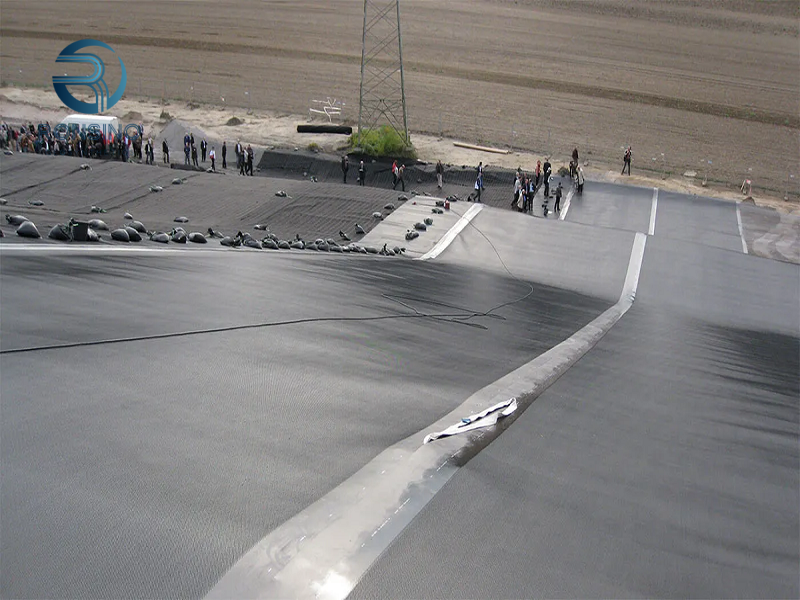
The construction of HDPE geomembrane for waterproofing generally encompasses two primary methods: geomembrane welding and the utilization of KS geomembrance - specific adhesive. When it comes to the 60 Mil HDPE geomembrane liner, the treatment process of the joints during welding is an extremely critical step. This step has a direct and significant impact on the overall service life of the project. Based on comprehensive quality testing results, hot welding emerges as being considered the most optimal approach for joining these membranes (although using a special adhesive is also a viable alternative). The hot - welding method entails heating the surfaces that are to form the joint of the 60 Mil HDPE geomembrane until they reach their melting point; subsequently, these molten surfaces are then fused together under a certain amount pressure exerted.
5.2 Laying Direction Requirements for Geomembrane Dam Liners
It is highly advisable to lay the geomembrane dam liners in a well - defined and specific direction. On both sides of the 60 Mil impermeable HDPE geomembrane, a certain quantity of PE film and a PET non - adhesive layer should be deliberately reserved. During this laying process, the orientation of each 60 Mil 8 - meter HDPE geomembrane unit needs to be carefully adjusted. This adjustment is done with the purpose of facilitating the welding operation between individual units.
5.3 Securing the Laid Geomembrane
After the 60 Mil geomembrane (1.5mm HDPE) has been laid, it becomes necessary that sandbags are used as weights upon it so as prevent any movement caused by wind forces.The edges and joints of the geomembrane must be kept completely free from dirt, moisture, dust, and other types of impurities.
5.4 Pre - welding Preparation
Prior to commencing the welding process, the two PE single - layer films at the joint need to be adjusted. This adjustment aims to guarantee a proper overlap between the films, ensure their flatness, and eliminate any wrinkles. Ideally, the welding operation should be carried out by experienced technicians who are using a dedicated welding machine. Both temperature and speed settings need to be appropriately adjusted according to the specific requirements of the job (it should be noted that adhesive bonding can also be employed as an alternative).
5.5 Precautions
The thickness of the 60 Mil HDPEgeomembrane for waterproofing should not be less than 0.3mm. If the layer is too thin, it may result in the formation of air pockets and is more prone damage during the construction process, which will ultimately reduce its overall waterproofing effectiveness. Duringthe construction work of the 60 Mil geomembrane waterproof sheet,a high level of attention must be paid to ensure that the laying process is not overly tight. Wrinkles need to be avoided, and the joints must be securely connected. It is of utmost importance to strictly adhere to all technical specifications. Rigorous quality control measuress houldbe implemented across five key stages: preparation, laying, splicing, inspection, and backfilling. - The layout work should start from the bottom and proceed towards the top. It is essential not to pull the geomembrane tootight but rather leave a 1.50% margin. This margin allows for any localized settlement and stretchingthat may occur. Considering the actual situationsof this project, the slope area will belaid from top to bottom. - The longitudinal joints of two adjacent sections should not be positioned on the same horizontal line. Instead, they should have a staggered distance of more than 1 meter between them - The longitudinal joints should be at least 1.50 meters away from the dam toe and bends, and they should be locatedon a flat surface. - The order of laying should first coverthe slope and then the bottom of the site. - When laying the membrane on the slope, the direction in which the membrane is spread shouldbe basically parallel to the maximum slope angle.
Summary
As a significant engineering material, the 60 - mil double - sided smooth HDPE geomembrane holds a vital position in both environmental conservation and civil construction projects. This is attributed to its outstanding impermeability and remarkable durability features.
The material's high - efficiency impermeability serves a dual purpose. On one hand, it acts as a reliable shield, preventing soil and water bodies from being contaminated. On the other hand, it showcases extensive application potential across multiple sectors. These sectors include waste management, where it can be used to line landfills and prevent the leakage of harmful substances; water resource protection, for example in reservoirs and canals to reduce water seepage; and mining development areas, where it helps contain potentially polluting mine tailings.
With the continuous progress of technology, the variety and scope of application of 60 - mil pond liner HDPE geomembrane materials are steadily increasing. It has now become an essential part of modern sustainable development and environmental protection efforts.
A more in - depth exploration into the performance characteristics (such as tensile strength under different conditions, chemical resistance) as well as the various applications of the 60 - mil HDPE geomembrane with permeable properties will enable us to more effectively tackle current environmental issues. This, in turn, will contribute to the promotion of ecological civilization by providing more reliable solutions for environmental protection and resource management.


