
Dam Liners HDPE New Zealand for Reservoir Project
CASE · 2025-08-22 · 0 views
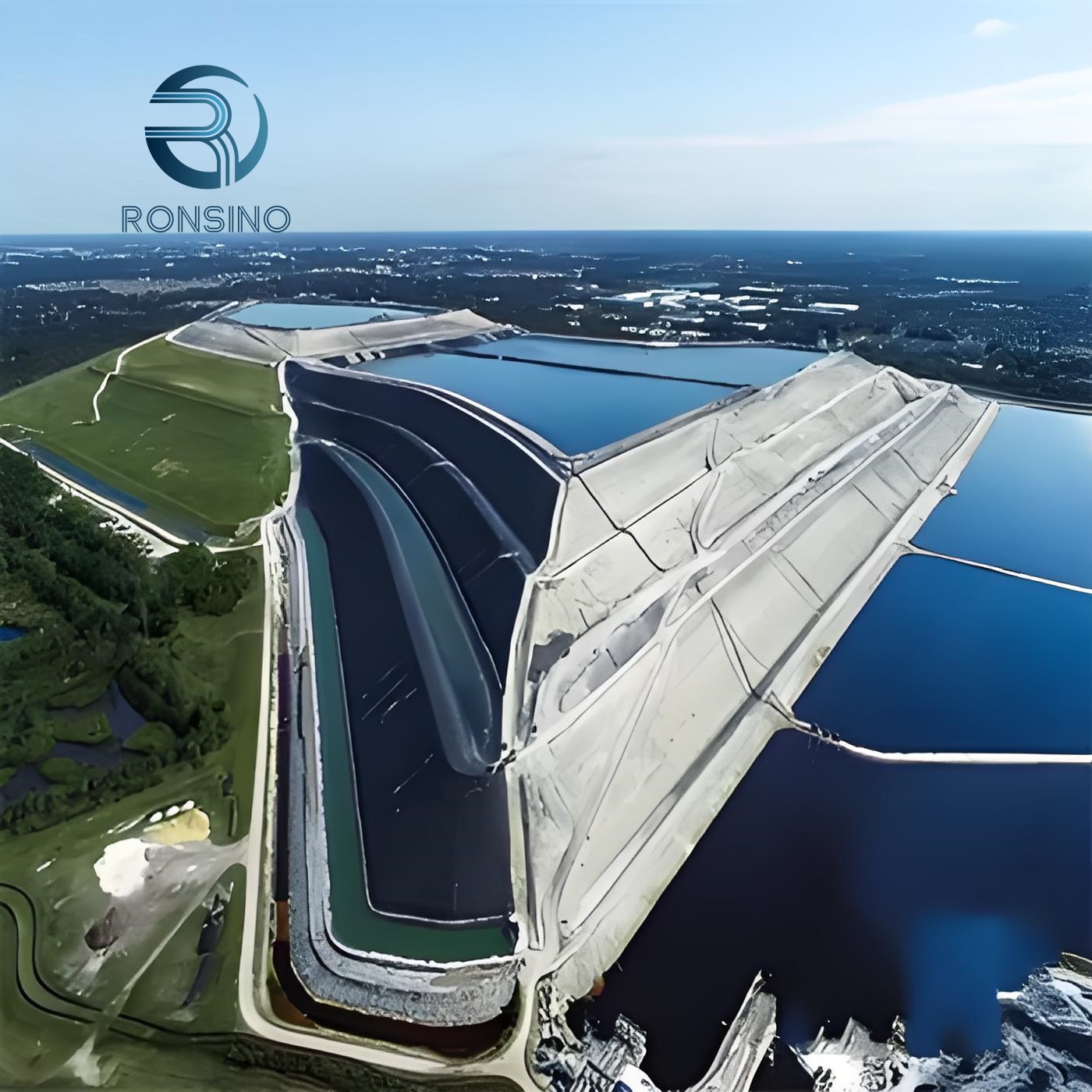
In New Zealand, dam liners, commonly referred to as HDPE dam liners, serve as a highly efficient engineering solution for dam anti-seepage applications. These geomembrane dam liners are designed to form an impermeable barrier, effectively blocking the infiltration of water, liquids, and gases. By incorporating the anti-seepage geomembrane liner layer, the structural integrity and safety of the dam are significantly enhanced, ensuring long-term stability and protection against potential seepage-related risks.
1.What Is Dam Liners New Zealand?
Tailor-made for the New Zealand environment, Reservoir Liners are high-performance anti-seepage solutions developed in response to the diverse local needs. These specialized barrier systems are primarily made from advanced polymer materials such as high-density polyethylene (HDPE), which exhibit superior barrier performance and chemical resistance.
The most outstanding advantage of New Zealand HDPE reservoir lining is its excellent chemical resistance, which can effectively resist the erosion of acids, alkalis, salts and organic solvents. At the same time, the material has excellent mechanical strength and tear resistance, which is enough to withstand water pressure and groundwater pressure inside and outside the reservoir, ensuring structural stability.
In addition to their exceptional durability, these liners are also highly flexible and adaptable, perfectly adapting to geological deformation and displacement changes in the reservoir structure, significantly reducing the risk of leakage. The anti-seepage layer created using seamless splicing technology further improves the overall sealing and reliability of the system.
The installation process of New Zealand reservoir liners is simple and efficient, enabling rapid deployment and facilitating project construction. This efficient construction method ensures the integrity and long-term reliability of the anti-seepage system.
Through the application of professional reservoir lining, its excellent anti-seepage performance, chemical resistance and mechanical strength fully protect the integrity of the reservoir structure. This not only ensures the safe use of water resources, but also effectively promotes the sustainable development of the regional ecological environment.
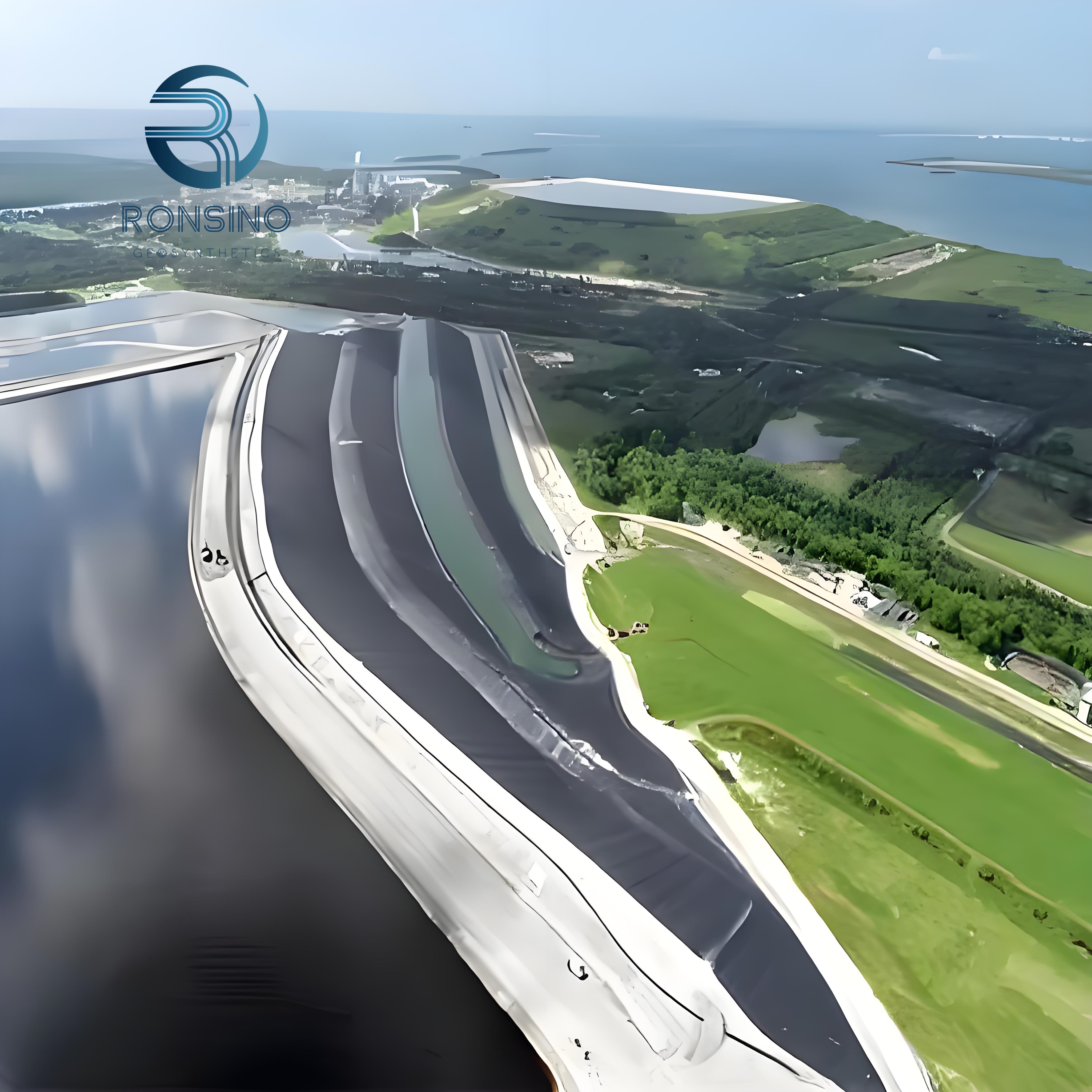
2.Why Chose Dam Liners HDPE New Zealand for Reservoir Project
Dams, as a type of water conservancy engineering facility built by humans, undertake multiple key functions such as regulating runoff, storing water, and preventing floods. There is no doubt that dams have made significant contributions to human welfare throughout history. As time goes by, some of the negative impacts of these artificial structures have become increasingly apparent. Soil erosion and ecological environment pollution have become major issues that need to be solved urgently.
2.1Soil Erosion
The degradation of soil surfaces represents a critical environmental challenge arising from the establishment and functioning of reservoir structures. The modification of existing hydrological pathways and the disruption of natural sediment flow mechanisms often result in heightened surface deterioration in downstream regions. Such phenomena may adversely influence biotic communities, compromise the purity of water resources, and destabilize the living conditions for water-dependent organisms.
2.2Environmental Pollution
Moreover, the degradation of natural ecosystems is a critical concern linked to the construction of dams. The buildup of harmful substances in artificial lakes, often caused by agricultural runoff or industrial discharges, leads to the deterioration of water quality. This contamination threatens the survival of marine species, jeopardizes the well-being of populations residing downstream, and presents significant hazards to human health.
To ensure the long-term viability of dam projects, it is imperative to confront and rectify these adverse effects. Adopting robust sediment management techniques, enforcing rigorous soil conservation practices, and enforcing strict pollution regulations are fundamental measures to alleviate these challenges. Furthermore, conducting thorough environmental evaluations and integrating eco-friendly approaches into dam design and execution can substantially reduce land degradation and ecological harm.
Although dams have delivered considerable advantages, it is crucial to recognize and mitigate their detrimental consequences, including the erosion of fertile land and the pollution of natural resources. By deploying targeted interventions and sustainable methodologies, we can strive to achieve harmony between the benefits derived from dams and the protection of natural habitats and water purity.
3.How To Use Dam Liners HDPE New Zealand for Reservoir Project
An important New Zealand customer launched a large-scale dam infrastructure project, aiming to purchase high-density polyethylene (HDPE) geomembrane materials for anti-seepage reinforcement and structural strengthening.
We recommend HDPE geomembrane as the optimal solution. This material can effectively solve the problem of water leakage caused by improper construction, and is especially suitable for reservoir anti-seepage projects in remote areas where materials are scarce. It is more cost-effective to adopt a slope anti-seepage reinforcement solution, while vertical anti-seepage technology can effectively solve the leakage problem of the dam foundation.
The choice of anti-seepage materials directly affects the total project cost and the long-term safety of the reservoir. Geomembranes are more cost-effective than regular plastic films. Although the initial cost of New Zealand's HDPE geomembrane is higher, it has a longer service life, excellent waterproof performance, and an easy installation process. Its excellent mechanical properties can also improve the structural integrity and internal stability of the dam.
By laying geomembrane, we can effectively reduce water waste and prevent groundwater leakage, thereby protecting water resources, preventing soil erosion, and ensuring the long-term sustainability of the ecosystem. With its comprehensive advantages, geomembrane has become the dominant anti-seepage material in most water conservancy projects.
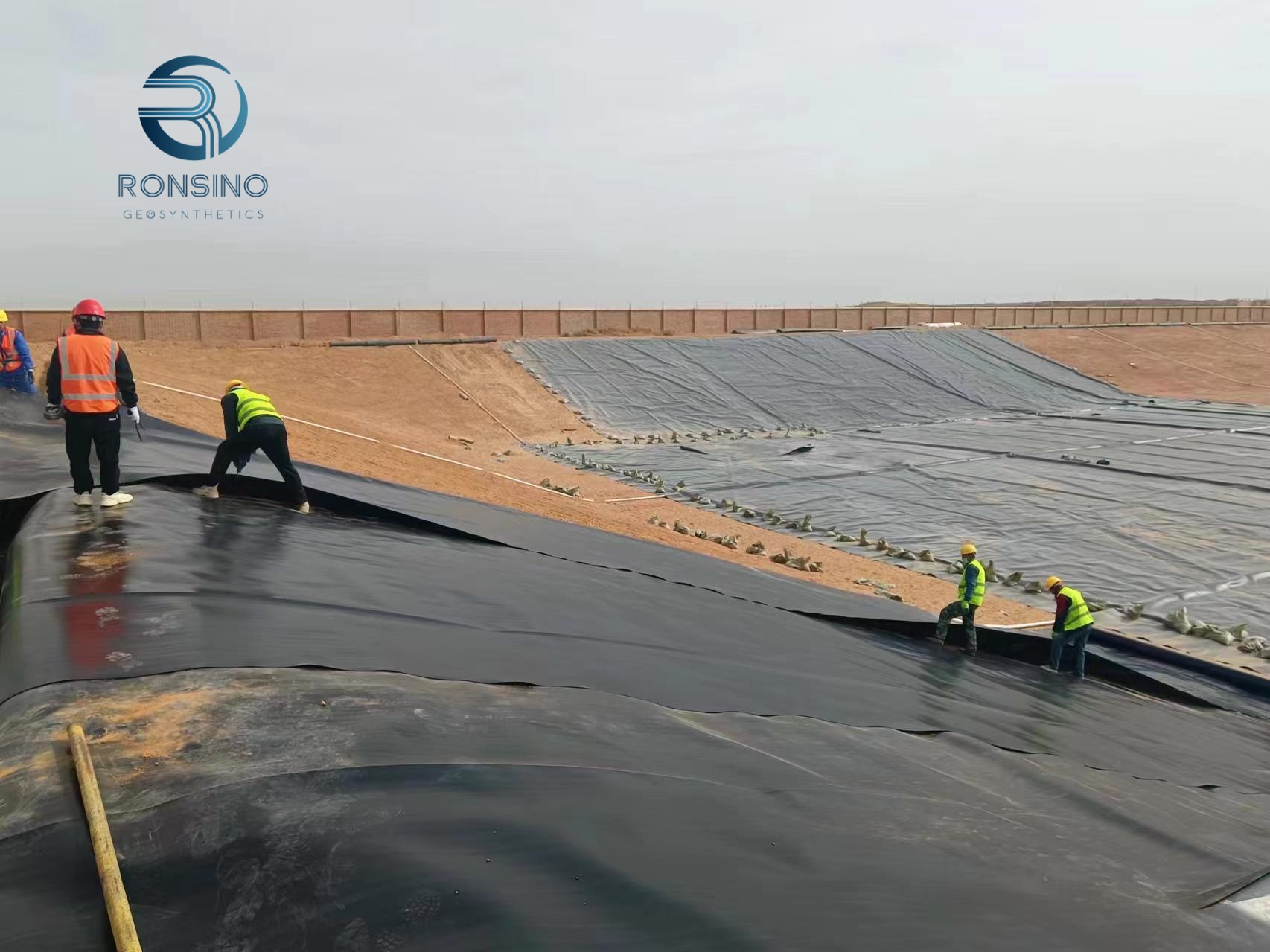
4.What Are Benefits of dam liner HDPE New Zealand for Reservoir Project?
Geomembrane dam lining materials used in civil engineering and environmental engineering cover various types such as high-density polyethylene, linear low-density polyethylene, and polyvinyl chloride.
Geomembrane lining shows significant advantages during the construction stage. It has high tensile strength and is also extremely resistant to deformation.
In practical applications, geomembranes can exhibit excellent anti-leakage properties and have a long service life. This material has wide applicability in water conservancy anti-seepage projects. Its main functions and uses include the following aspects:
4.1Anti-leakage
The geomembrane dam liner has a certain anti-leakage function. It can prevent water, liquid and gas from penetrating into the soil or engineering structure. It thus plays a waterproof and leak-proof role.
4.2Isolation and protection
Geomembrane serves as a barrier to segregate soils or substances with distinct characteristics, ensuring they remain separate and do not intermingle. Within the realm of civil engineering, HDPE dam liners are frequently employed to partition soils or materials across different strata or zones. Furthermore, geomembranes play a crucial role in safeguarding soils within artificial lakes, wetlands, and natural habitats by blocking the infiltration of contaminants.
4.3Reinforcement
Geomembrane can increase the strength and stability of soil. It is often used in earth and rock engineering projects, such as reinforcing roadbeds, slopes and side slopes, to improve their resistance to slipping, impact and deformation.
4.4Water conservation
High-density polyethylene geomembrane barriers are laid on the permeable layer to reduce water evaporation and groundwater consumption. This technology can effectively maintain soil moisture, improve agricultural water management efficiency, and is widely used in gardening facilities and crop irrigation systems.
New Zealand's geosynthetic containment system has multiple functions in infrastructure and ecological protection, covering fluid containment, environmental barriers, structural reinforcement and resource protection.
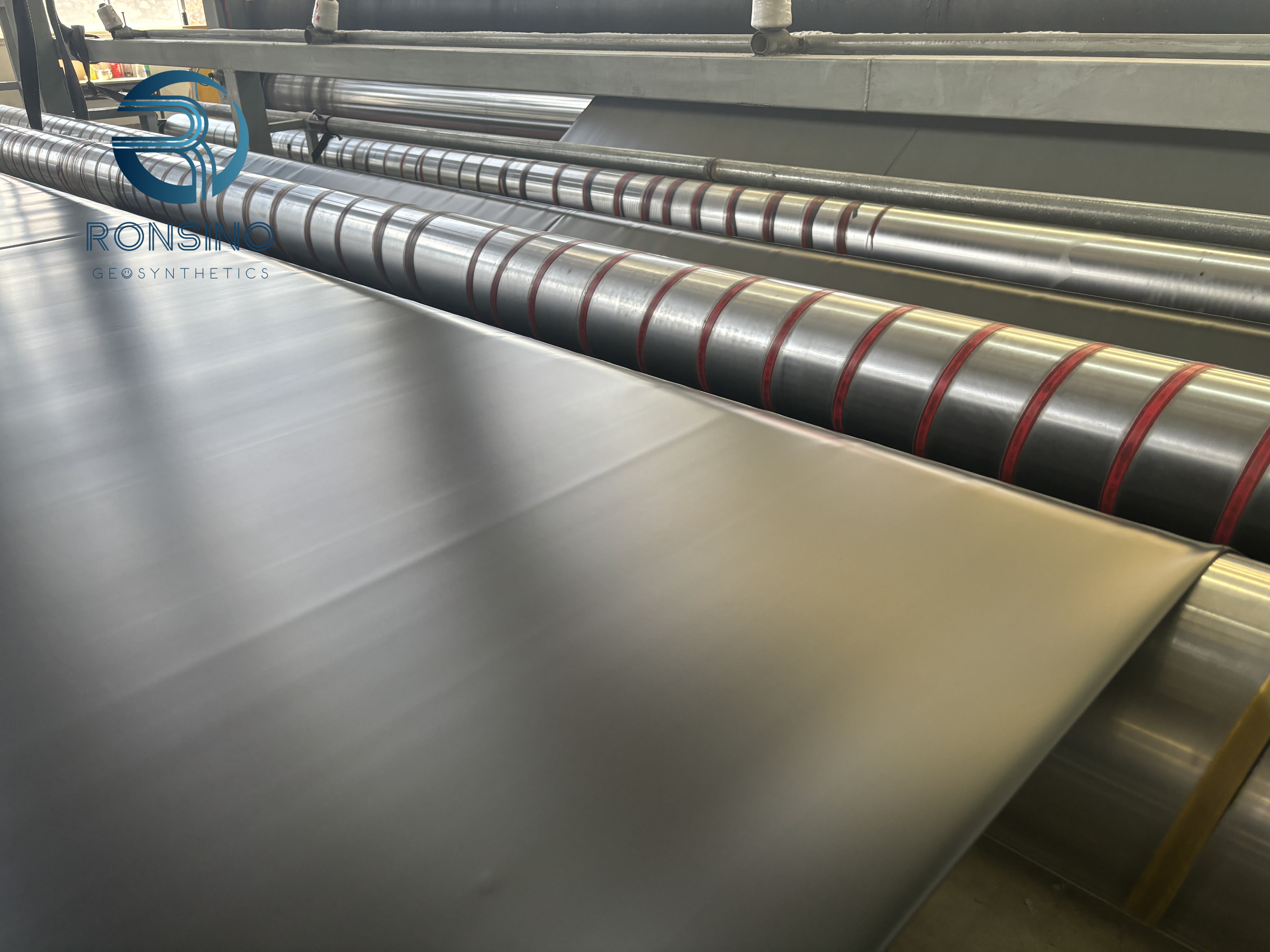
5.Specifications of Dam Liners HDPENew Zealand for Reservoir Project
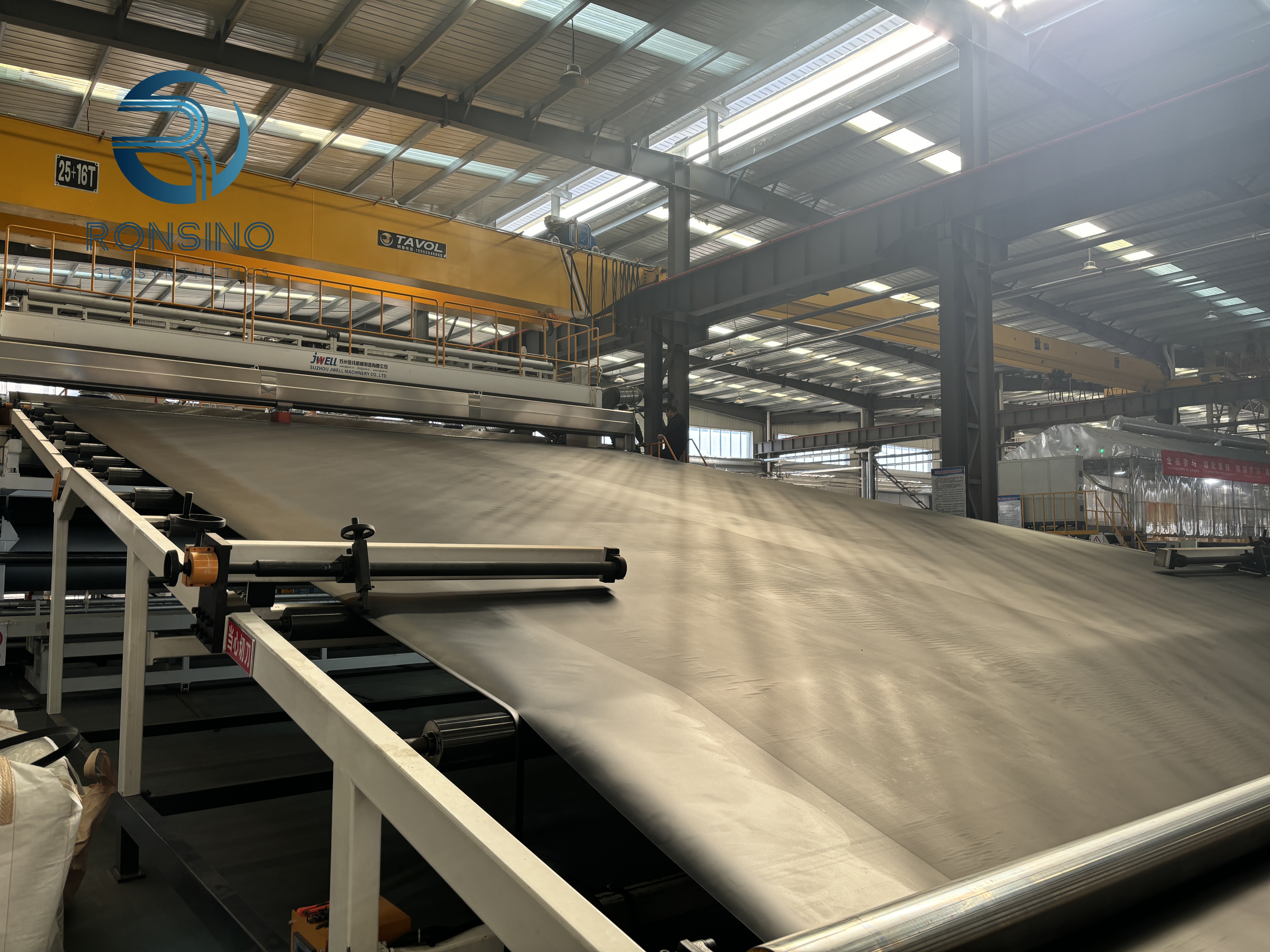
Total dam liner HDPE quantity – 152880 squares meters
Geomembrane dam liner Specifications – 1.5mm
Each roll size is 7x140m
6.About RONSINO
Established in 2007, RONSINO has emerged as a premier producer of geomembrane and geosynthetics materials, serving a global clientele. Our expertise lies in delivering cutting-edge, superior-grade solutions, encompassing geomembranes, geotextiles, geogrids, geocells, geosynthetic clay liners, and drainage boards.
At RONSINO, we deliver not only top-tier geosynthetic materials but also expert design and installation solutions. Our capabilities extend to OEM, ODM, and tailored development initiatives, guaranteeing the alignment of our offerings with client-specific demands. For any inquiries or requests, we invite you to connect with us, and our team will swiftly respond to provide the necessary support.
With our expertise and commitment to customer satisfaction, RONSINO strives to deliver reliable geosynthetic solutions and establish long-lasting partnerships. Contact us today to explore our comprehensive range of products and services.


