Definitive Guide To Lake Liners For Sale
Blog · 2026-11-07 · 0 views
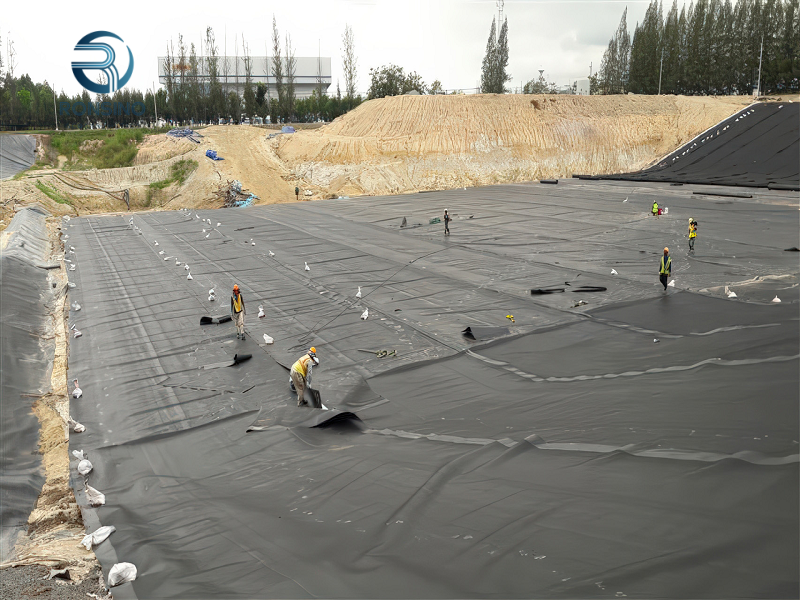
To meet your geotextile sourcing needs, RONSINO Geosynthetics offers a wide range of polypropylene and polyester geotextile products for civil engineering, mining, ecological conservation, water management and large infrastructure. Relying on advanced manufacturing, strict quality inspection and flexible customization, RONSINO can meet bulk procurement and special needs. Contact us to detail the technical specifications, obtain a competitive quotation, and match you with the best geotextile solution.
1. Selection of Lake Liners For Sale
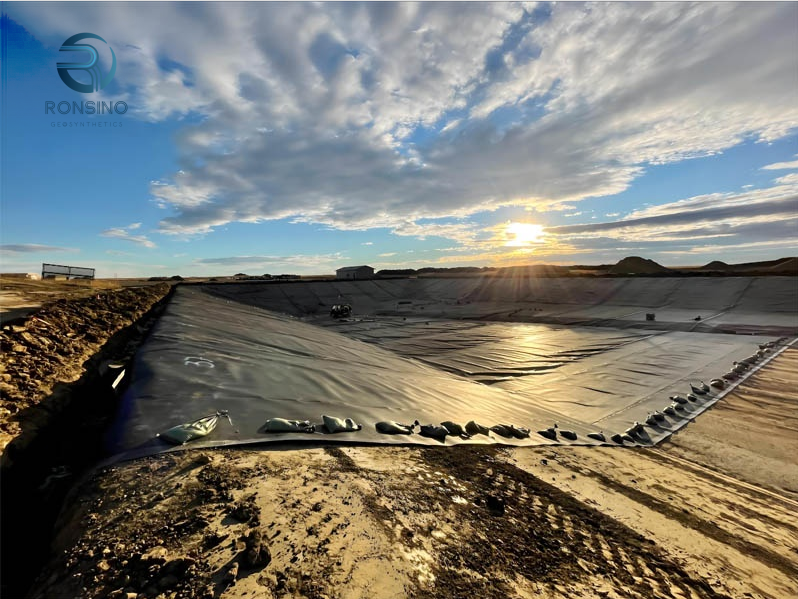
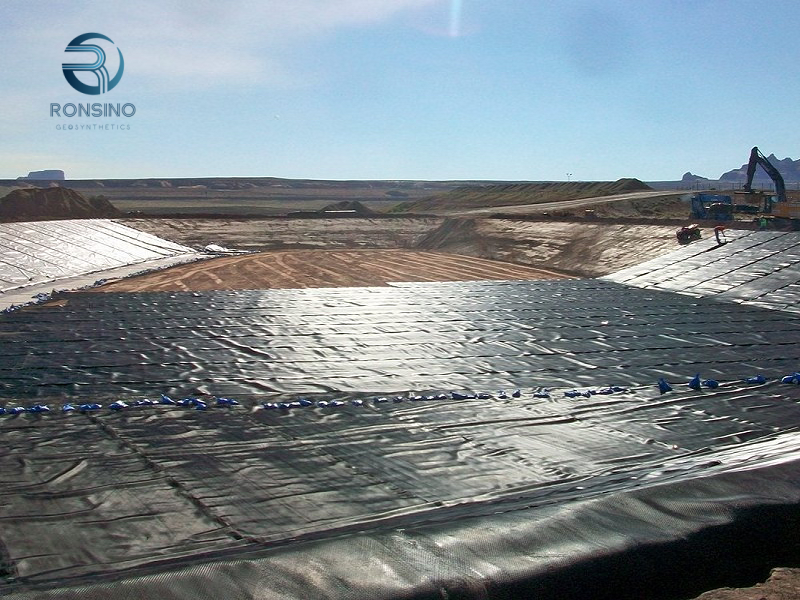
In the seepage-control engineering of artificial lakes, the geomembrane serves as the core material. Therefore, it is essential to prioritize the selection of a geomembrane that offers superior performance and reliable quality, while also ensuring ease of installation. When selecting a geomembrane, particular attention should be paid to the following key factors:
1) When the membrane's depth falls below 0.35mm, applying a thermal fusion welding apparatus on-site becomes challenging to control, and the welding's quality may compromise the geomembrane's integrity, leading to potential leakage.
2) Throughout the installation of the membrane, it is imperative to minimize the number of welds, with particular emphasis on eliminating any intersecting welds, so as to diminish the likelihood of seepage.
3) Furthermore, the typical water depth within a constructed lake approximates 3 meters, with certain areas extending to 5 meters, necessitating robust geomembrane durability. The stability of the lake's substructure is of paramount importance, as significant ground deformation may impose diverse stresses upon the lining material.
Therefore, the most important characteristics of geomembrane selection are:
The thickness of the geomembrane should be selected to be above 0.5mm;
Furthermore, the typical water depth within a constructed lake approximates 3 meters, with certain areas extending to 5 meters, necessitating robust geomembrane durability. The stability of the lake's substructure is of paramount importance, as significant ground deformation may impose diverse stresses upon the lining material.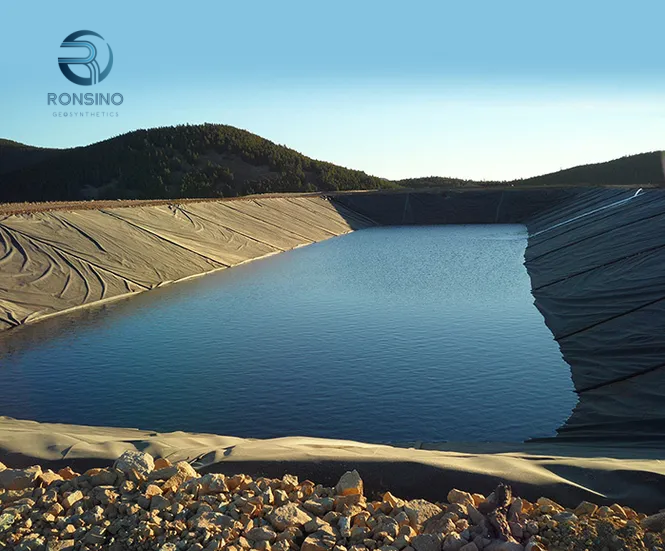
2. What Are the Benefits of Using Lake Liners?
Synthetic liners (geosynthetic membranes) play a pivotal role in ensuring effective water retention within man-made lakes, decorative ponds, water storage facilities, and ornamental landscaping endeavors. They offer a multitude of superior characteristics compared to conventional building approaches, establishing them as the favored solution among technical experts, design professionals, and land managers. The following highlights the primary merits of procuring premium-grade liners for aquatic containment:
2.1 Lake Liners For Sale – Superior Waterproofing & Seepage Prevention
Lake liners create an impermeable barrier, preventing water loss due to seepage.
Ideal for areas with porous soil (sandy or rocky terrain) where natural retention is poor.
Maintains consistent water levels, reducing the need for frequent refilling.
2.2 Lake Liners For Sale – Durability & Long Lifespan
High-quality materials like HDPE, LLDPE, and EPDM resist punctures, tears, and UV degradation.
Withstands extreme weather conditions (freezing temperatures, intense sunlight, heavy rain).
Lasts 20-40+ years with proper installation and maintenance.
2.3 Lake Liners For Sale – Cost-Effective Solution
More affordable than concrete or clay-based liners in the long run.
Lower installation costs due to lightweight, flexible materials.
Reduces water loss, saving money on refilling and maintenance.
2.4 Lake Liners For Sale – Environmental Protection
Prevents harmful chemicals or pollutants from leaching into groundwater.
Supports eco-friendly water conservation by minimizing evaporation and seepage.
Safe for fish, plants, and wildlife (especially fish-safe EPDM liners).
2.5 Lake Liners For Sale – Adaptability & Easy Installation
Flexible materials conform to irregular shapes and uneven surfaces.
Easier and faster to install compared to rigid alternatives like concrete.
Can be customized in thickness, size, and material for specific project needs.
2.6 Lake Liners For Sale – Low Maintenance Requirements
Resists algae growth and debris buildup with smooth surfaces.
Easy to clean and inspect for damage.
Minor repairs can be done with patch kits without full replacement.
2.7 Versatile Applications
Used in artificial lakes, decorative ponds, irrigation reservoirs, and stormwater management.
Suitable for commercial, agricultural, and residential projects.
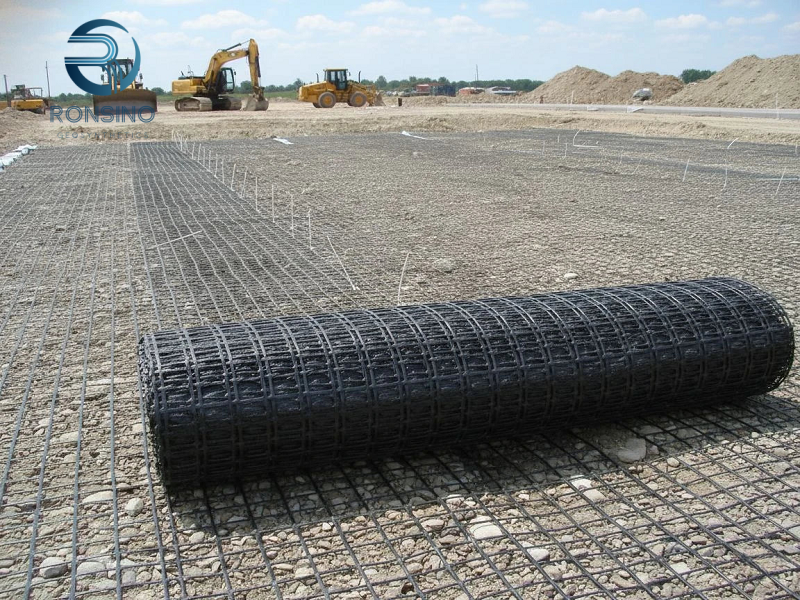
Can be combined with geotextiles for added protection.
3. What Are the Types of Lake Liners For Sale?
When selecting a liner for your lake, pond, or water feature, choosing the right material is crucial for performance and longevity. Below are the most common types of lake liners for sale, along with their key properties and ideal applications.
3.1 HDPE Lake Liners (High-Density Polyethylene)
Best for: Large lakes, reservoirs, industrial ponds, landfills
Key Features:
Extremely durable – Resistant to punctures, chemicals, and UV radiation
Thickness options: 0.5mm to 3.0mm (20 mil to 120 mil)
Long lifespan – 30+ years with proper installation
Stiff material – Less flexible but highly stable
3.2 LLDPE Lake Liners (Linear Low-Density Polyethylene)
Best for: Decorative ponds, small lakes, irrigation ponds
Key Features:
More flexible than HDPE – Easier to mold to irregular shapes
Thickness options: 0.5mm to 2.0mm (20 mil to 80 mil)
Good chemical resistance – Suitable for freshwater applications
UV-stabilized versions available
3.3 EPDM Lake Liners (Ethylene Propylene Diene Monomer)
Best for: Fish ponds, wildlife habitats, golf course water features
Key Features:
Rubber-like flexibility – Conforms well to complex shapes
Fish and plant-safe – Non-toxic material
Thickness options: 0.75mm to 1.5mm (30 mil to 60 mil)
Extreme temperature resistance (-40°C to +120°C)
3.4 PVC Lake Liners (Polyvinyl Chloride)
Best for: Small ponds, temporary water features, DIY projects
Key Features:
Lightweight & easy to handle – Ideal for DIY installations
Thickness options: 0.5mm to 1.0mm (20 mil to 40 mil)
Affordable – Lower cost than HDPE or EPDM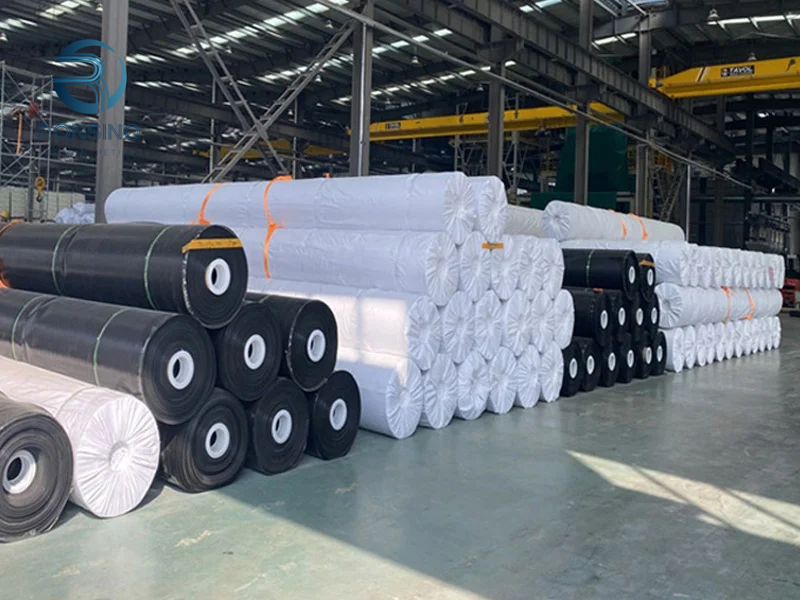
4. How to Choose the Best Lake Liners For Sale
Choosing the appropriate lake lining material is fundamental for guaranteeing enduring resilience, economic efficiency, and superior functionality. Below lies an in-depth resource designed to assist you in selecting the most suitable option tailored to your specific undertaking.
4.1 Determine Your Project Requirements
4.1.1 Water Type & Usage
Freshwater ponds/lakes: EPDM or LLDPE liners (fish-safe, flexible)
Industrial/reservoir use: HDPE liners (chemical-resistant, durable)
Decorative water features: PVC or LLDPE (budget-friendly, easy to install)
4.1.2 Size & Depth of the Water Body
Small ponds (<1 acre): LLDPE or EPDM (flexible, easier to handle)
Large lakes/reservoirs: HDPE (high strength, UV-resistant)
Deep water (>10 ft): Thicker liners (1.5mm+ for added durability)
4.2 Consider Environmental Factors
4.2.1 Climate Conditions
Hot/sunny regions: UV-stabilized HDPE or EPDM
Freezing temperatures: Flexible EPDM or reinforced RPP
High-wind areas: Heavy-duty liners with proper anchoring
4.2.2 Soil & Terrain
Rocky/uneven ground: Puncture-resistant HDPE + geotextile underlay
Sandy/soft soil: Flexible LLDPE or EPDM for better contouring
High groundwater pressure: Thicker liners (≥1.5mm) with strong seams
4.3 Select the Right Material
4.4 Check Liner Thickness & Strength
0.5mm-1.0mm (20-40 mil): Small decorative ponds, temporary use
1.0mm-1.5mm (40-60 mil): Medium-sized lakes, fish ponds
1.5mm-3.0mm (60-120 mil): Large reservoirs, industrial applications
Rule of Thumb:
Thicker liners = More puncture resistance, longer lifespan
Thinner liners = Lower cost, easier installation (for small projects)
4.5 Evaluate Installation & Maintenance Needs
Ease of Installation
Flexible liners (EPDM, LLDPE): Easier for DIY or complex shapes
Rigid liners (HDPE): Require professional welding for seams
Maintenance Requirements
Smooth liners (HDPE, PVC): Easier to clean, resist algae buildup
Textured liners (EPDM, RPP): Better for wildlife but may trap debris
4.6 Compare Suppliers & Quality
What to Look for in a Supplier
Certifications: ISO, GRI-GM13, NSF-61 (for potable water)
Warranty: 10+ years for HDPE, 20+ for EPDM
Customization: Ability to provide tailored sizes & thicknesses
4.7 Why Choose RONSINO Geosynthetics?
Premium-quality materials with international certifications
Custom manufacturing for any project size
Competitive pricing & bulk order discounts
Expert support from selection to installation
5. Summary
Choosing the appropriate lake lining material is fundamental for guaranteeing enduring resilience, economic efficiency, and superior functionality. Below lies an in-depth resource designed to assist you in selecting the most suitable option tailored to your specific undertaking.
Need durable, cost-effective lake liners? Contact RONSINO Geosynthetics today for premium HDPE liners and professional guidance!