
Enhance Your Project with Geotextile and Geomembrane Combination
Latest News · 2025-06-13 · 0 views
The combination of geomembrane and non-woven geotextile in geotechnical engineering provides a highly effective solution for various applications. Geomembranes are impermeable liners made from synthetic materials that are used to contain liquids or gases, while non-woven geotextiles are permeable fabrics used to filter, separate, reinforce, protect, or drain soil.
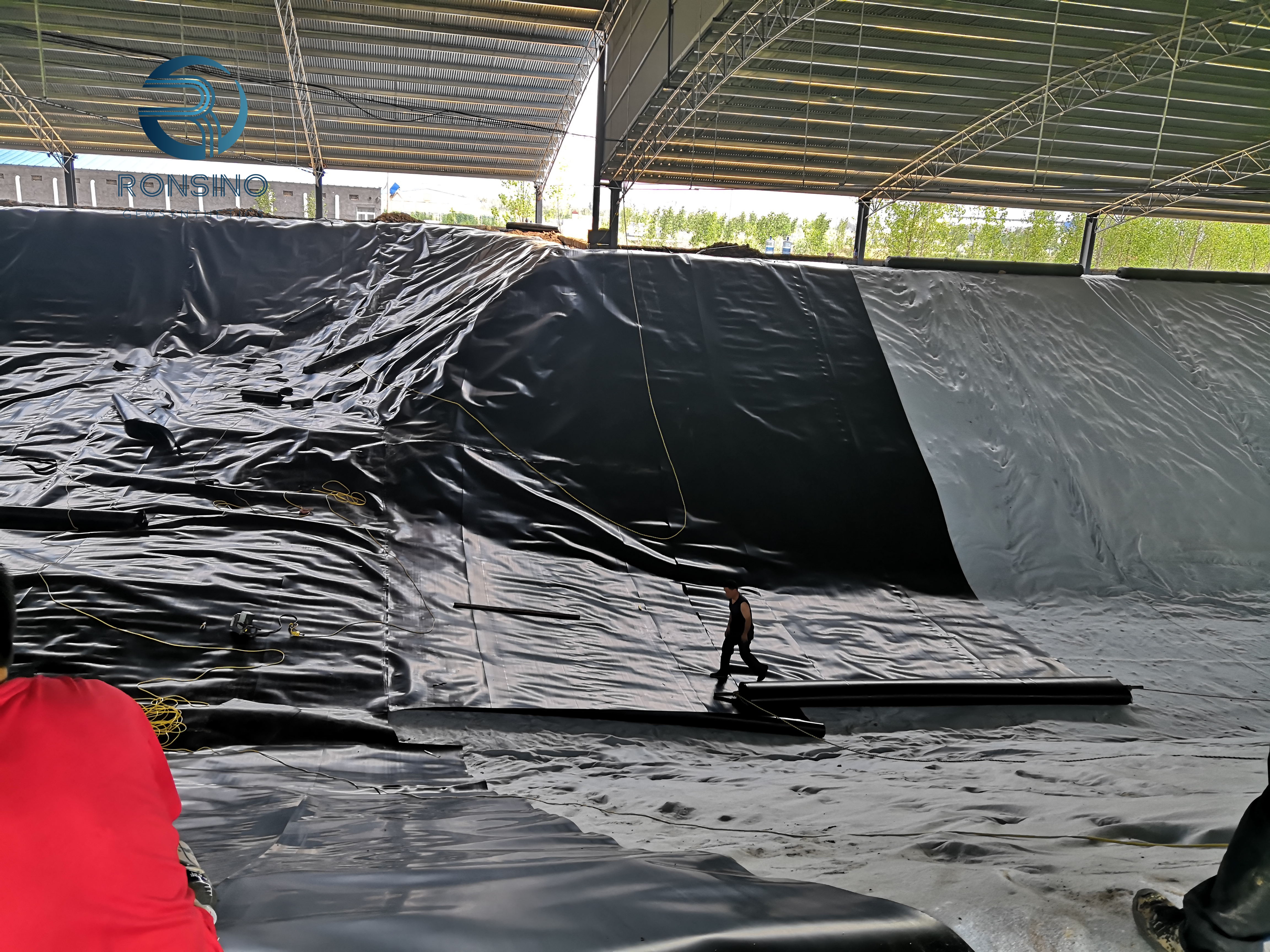
The integration of geomembranes and non-woven geotextiles in landfill systems offers a comprehensive approach to environmental protection and structural reliability. Geomembranes serve as an impermeable layer that blocks the migration of liquids and gases, while non-woven geotextiles add a layer of mechanical protection and support, along with filtration and drainage capabilities.
In modern landfill construction, this pairing plays a critical role in maintaining containment integrity. Geomembranes prevent harmful leachates from seeping into the surrounding soil and groundwater, whereas non-woven geotextiles safeguard the geomembrane against punctures from sharp objects or rough subgrades during installation. Additionally, the geotextile layer assists in controlling fluid movement and promotes efficient drainage across the system.
This combination also contributes to the overall durability and function of the landfill structure. The non-woven geotextile enhances soil reinforcement, reduces the risk of erosion, and improves slope stability, especially in challenging terrains. These factors help prolong the operational life of the landfill while reducing maintenance requirements.
In essence, the use of geomembranes alongside non-woven geotextiles in landfill engineering delivers a well-rounded solution that balances environmental safety, structural performance, and cost-efficiency. This synergy ensures compliance with environmental regulations and supports the development of long-lasting waste containment systems.


