
HDPE Impermeable Geomembrane for Solid Waste Containment Project in Indonesia
CASE · 2025-11-26 · 0 views
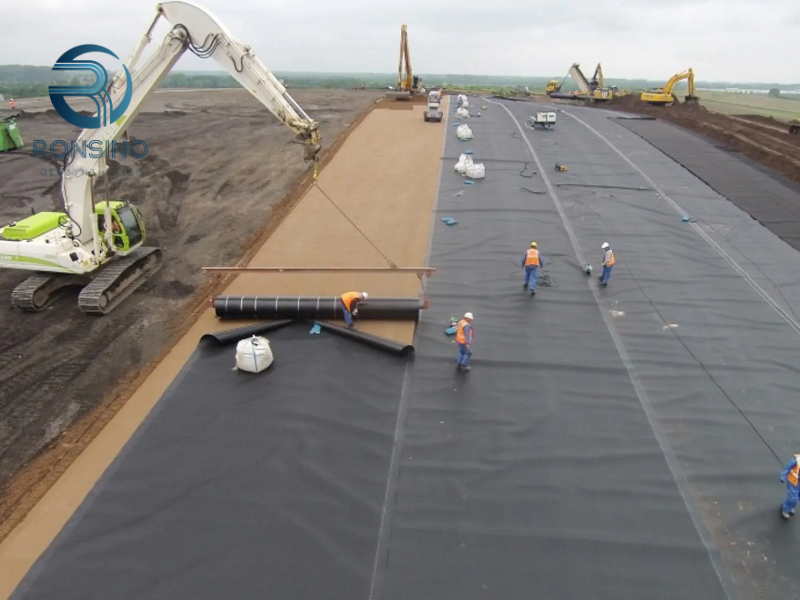
HDPE impermeable geomembranes are synthetic barrier membranes boasting ultra-low permeability, which can work with all types of geotechnical materials to regulate fluid or gas migration in man-made engineering projects, structures, and systems. They can be impregnated with bitumen, elastomers or polymer sprays, or processed into multi-layer bituminous geocomposites. By far, the continuous polymer HDPE geomembrane liner remains the most commonly adopted option.
Case Study
Destination – Indonesia
Product -2mm HDPE Impermeable Geomembrane
Application – Solid Waste Landfill Project
Benefit
1.Minimize rainwater and external water seepage into landfill sites, thereby cutting down the generation of landfill leachate and achieving the goal of leachate volume control.
2.Implement systematic management of landfill odor emissions, and carry out targeted discharge and collection of combustible gases from the upper zone of landfills, fulfilling the dual objectives of pollution abatement and resource comprehensive utilization.
3.Suppress the propagation and spread of pathogenic bacteria, as well as their vectors including mosquitoes and flies that act as disease carriers.
4.Protect surface runoff from contamination, prevent garbage scattering, and eliminate direct contact between waste and humans or livestock.
5.Mitigate soil and water loss within and around the landfill area to maintain geological stability.
6.Accelerate the stabilization process of landfill bodies to shorten the post-closure maturation period.
7.Create a landscape-friendly surface layer that supplies suitable soil for vegetation restoration, facilitating the ecological restoration and land reuse of closed landfills.
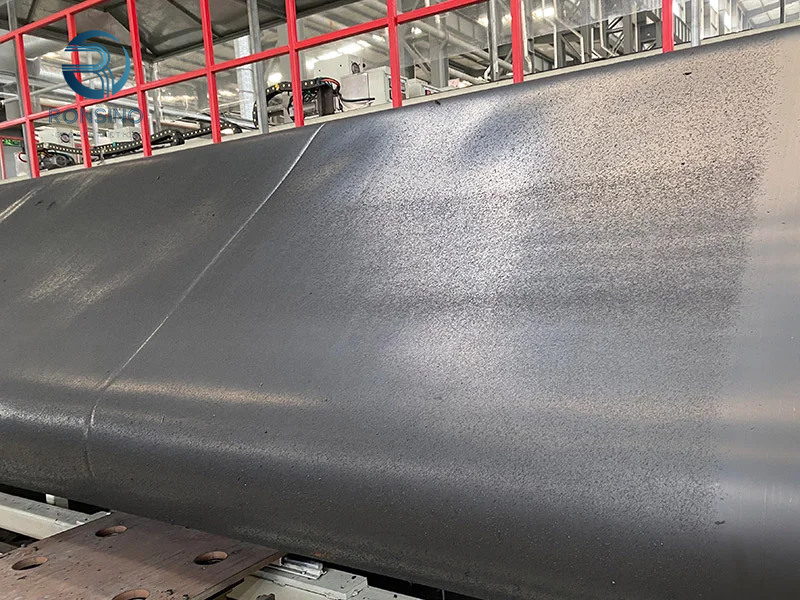
Installation of HDPE Impermeable Geomembrane for Solid Waste Containment Project
1.The base surface of the geomembrane construction requires
The mounting base surface shall be compacted and leveled thoroughly, with sharp protrusions like tree roots, stones, glass shards and iron nails completely removed. All internal and external corners of the base need to be trimmed into rounded edges with a fillet radius of not less than 50 cm, and the weld surfaces must be cleaned up properly. Installation of the geomembrane is permitted only after the base civil works have been inspected, accepted and signed off by both the construction and supervision parties.
2.The climate requirements for geomembrane construction
Temperature should usually stay above 5℃. Geomembranes need to be stretched tight in low temperatures and kept slack in high temperatures. Based on actual site situations and current weather conditions, a 2%–5% pre-release extension should be properly set aside during geomembrane installation. Construction should not be conducted in most cases when facing level-4-or-stronger winds, rain, snow or overly low temperatures. If wind disrupts geomembrane construction work, place heavy stones or sandbags on the to-be-welded parts to hold them firmly in place.
3.The laying of geomembrane.
Geomembrane laying requires that all seams of the anti-seepage system align with the slope toe line—meaning they run along the slope direction. Minimize welds during installation. Save raw materials to the fullest while ensuring quality, as this approach also streamlines quality assurance work. Keep weld joint lengths to a minimum at corners and deformed sections. Furthermore, refrain from placing welds on slopes with a ratio over 1:6, within 1.5m of the slope top, or in areas where stress tends to concentrate.
4.During the laying of the geomembrane, artificial wrinkles should be avoided.
In low-temperature conditions, the HDPE Impermeable Geomembrane shall be stretched and flattened to the maximum extent possible. Once the geomembrane has been laid in place, walking on its surface and moving tools across it should be minimized. No objects that may cause damage to the geomembrane shall be placed on it or transported over it, so as to prevent accidental damage to the material.
5.The more critical process
Prior to geomembrane laying, unpacking and inspection shall be conducted for its surface quality. Any detected defects including mechanical damage, production flaws, holes and tears must be documented and repaired accordingly. Before cutting the geomembrane, relevant dimensions shall be measured first, and the cutting work shall then be carried out based on the actual on-site requirements. The lap joint width between adjacent geomembrane sheets shall be 10–15 cm, with the joint orientation kept parallel to the slope toe line—i.e., arranged along the slope direction.
6.Addition
To further ensure the quality of geomembrane construction, care should be taken not to stretch the membrane excessively during laying, but to reserve a certain margin for thermal expansion and contraction. Meanwhile, it is imperative to ensure that the protective layer is fully covered, so as to prevent the geomembrane from being damaged by heavy objects.
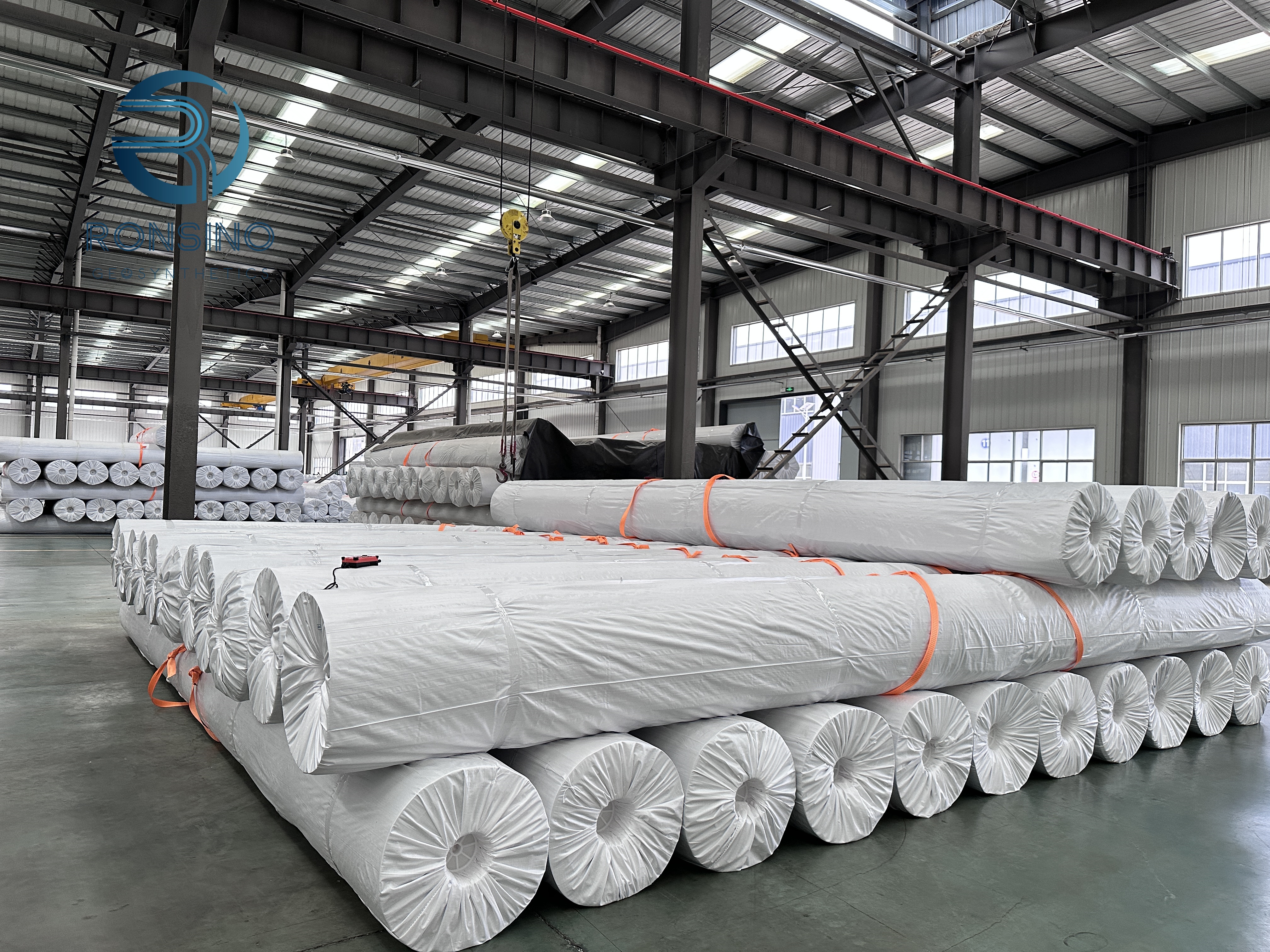
Issue
Achieving effective waste management in Indonesia calls for integrated strategies that incorporate source separation, recycling programs, and engineered landfill facilities. Collaborative efforts between the informal recycling sector and formal waste management systems can help divert more waste from disposal sites, thereby delivering tangible benefits to local communities. Nevertheless, accelerating urbanization has laid bare critical shortcomings in the current system: unregulated waste dumping generates toxic leachate that contaminates groundwater, in addition to degrading soil and air quality.
The Indonesian government’s latest waste management initiative focuses on three key priorities:
Source separation to drive up recycling efficiency
Sanitary landfills fitted with geomembrane liners to prevent pollution leakage
Integration of formal and informal sectors to optimize resource recovery
These targeted measures not only mitigate the environmental and public health hazards associated with improper waste disposal, but also tackle the pressing issue of rising waste volumes in Indonesia. Notably, geosynthetic containment systems have emerged as a vital component for ensuring the safe, long-term containment of waste materials.
Solution
For Indonesia’s waste management initiative, RONSINO has designated a heavy-duty containment structure that integrates a 2mm HDPE geomembrane with 300g filament geotextile. This two-ply system offers the following key advantages:
Exceptional containment capability – Boasting ultra-low permeability (≤1×10⁻¹³ m/s), the HDPE liner effectively halts the seepage of harmful leachate.
Versatile protective functions – The geotextile layer serves triple purposes: filtration, water drainage, and resistance to puncture damage.
Durable long-term operation – UV-stabilized materials ensure the system retains its structural integrity for more than three decades.
This integrated setup directly meets the essential requirements of landfill operations by:
Preventing groundwater from being contaminated
Withstanding erosion caused by chemical and biological factors
Cutting down on ongoing maintenance expenses
Thanks to its well-documented ability to balance environmental security and cost-effectiveness, this geomembrane-geotextile combination has become a preferred choice for engineering professionals across the globe.
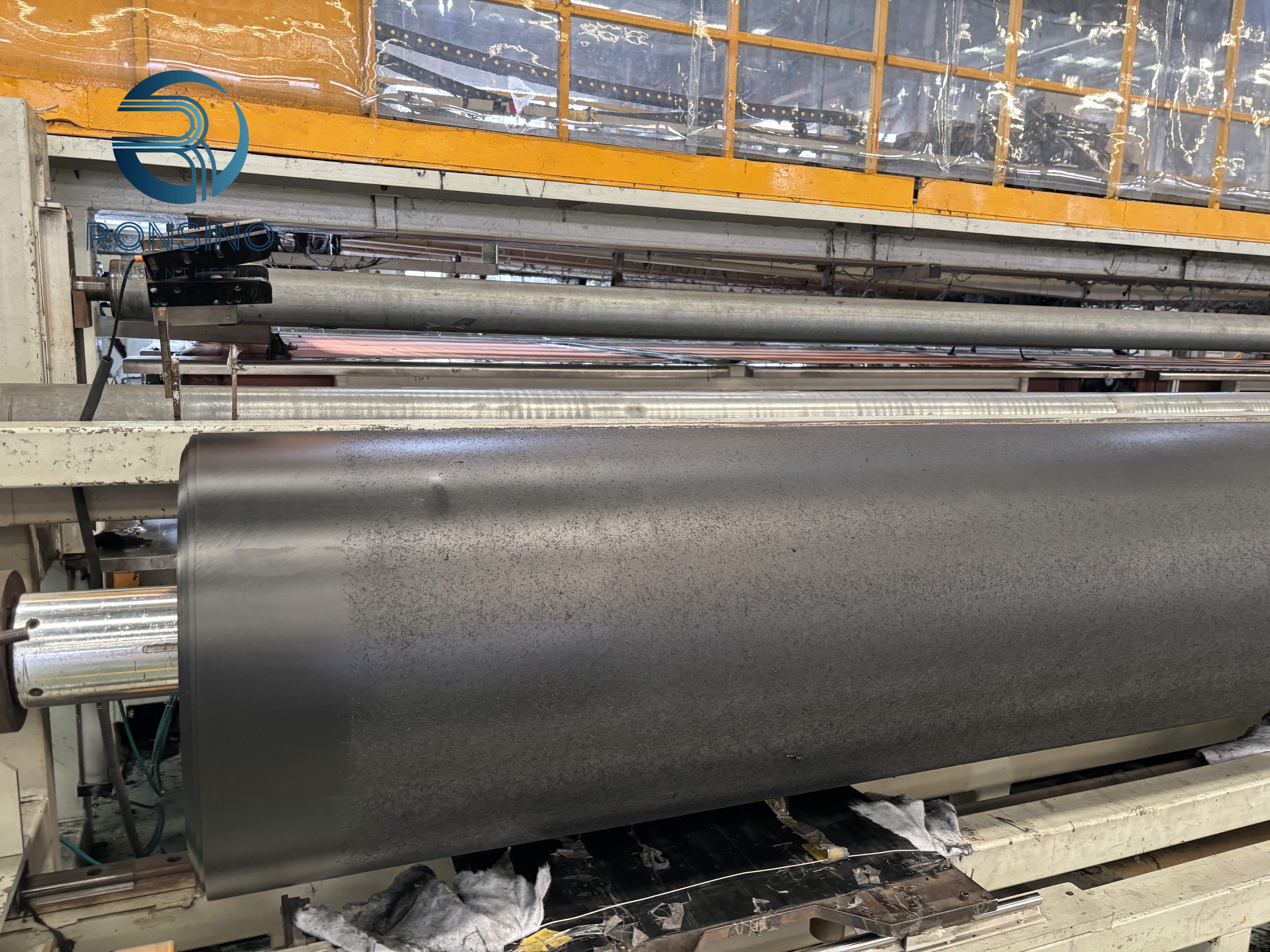
Specification of HDPE Landfill Liners for Solid Waste Containment Project in Indonesia
HDPE Impermeable Geomembrane thickness-2mm
Total Quantity –150,000 Square meters
Each roll Size – 7m*100m
Standard – ASTM GM13 standard
About RONSINO
RONSINO has been specializing in delivering complete line of geosynthetics products and solutions to worldwide customers since its foundation in 2007. RONSINO had provided many types of effective and state of the art geomembranes, geotextiles, geocells, geosynthetic clay liners (GCLs), drainage boards, geogrids to over 81 countries. Our main customers are from Australia, France, Sweden, UK, Hong Kong, Hungary, New Zealand, Poland, Mexico, Ecuador, Brazil, Pakistan, Bangladesh, Indonesia, Vietnam, Malaysia, Indonesia, Singapore, Philippines, Sri Lanka, Indonesia, UAE, Saudi Arabia, Qatar, Kenya, Ghana, Ethiopia, Somalia, Nigeria, South Africa, Swaziland, Mongolia, etc.
RONSINO is not only manufacturing best quality geosynthetic products but also providing professional design and installation service. OEM, ODM, custom development and fabrication are also available. If you have any questions or inquiries, please fill and submit the following form, we will reply as soon as possible.


