HDPE Membrane Pond Liner for Wastewater Treatment in Nicaragua
CASE · 2025-08-25 · 0 views
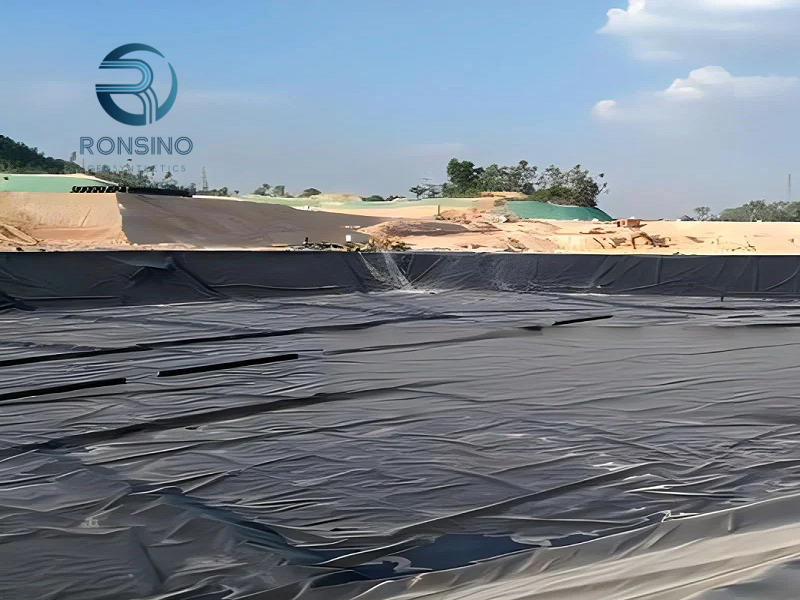
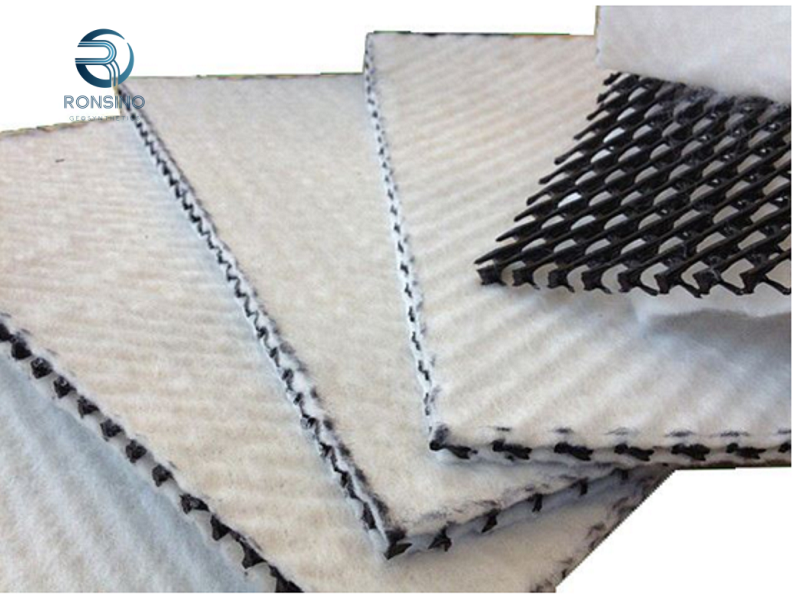
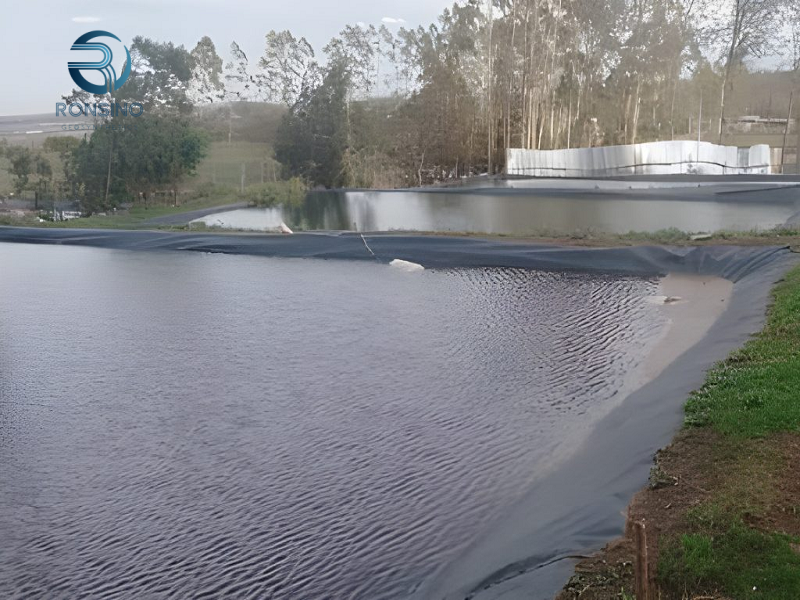
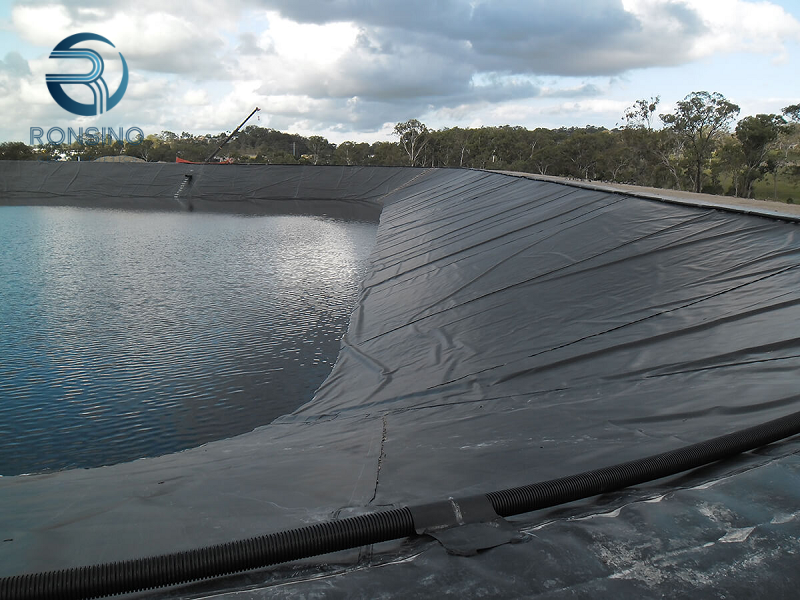
HDPE Membrane Pond Liner is a polymer composite waterproof layer specially developed for sewage treatment projects. The product is mainly divided into two categories: low-density polyethylene (LDPE) anti-seepage membrane and high-density polyethylene (HDPE) anti-seepage membrane with excellent performance.
HDPE Membrane Pond Liner is an advanced geosynthetic barrier material engineered with a high-performance plastic membrane as its primary waterproofing layer, reinforced with durable non-woven fabric for enhanced strength. This innovative composite structure delivers exceptional impermeability, making it an ideal solution for water containment and moisture prevention in various construction applications. Its superior sealing capabilities ensure reliable long-term protection against leaks and seepage.
HDPE anti-seepage membrane is a high-performance material specially developed for sewage treatment. It is made of polyethylene resin with functional additives such as carbon black masterbatch and anti-aging agent added by composite blow molding. It has excellent weather resistance and chemical stability, and is suitable for the construction of anti-seepage systems in water conservancy projects such as landscape lakes, reservoirs, and reservoirs, and maintains stable performance for a long time.
CASE STUDY
Location – Nicaragua
Product(s) – High Membrane Pond Liner
Application – Wastewater Treatment
Issue
1.Introduction to Sewage and Its Impact on the Environment:
Industrial and mining operations produce significant amounts of wastewater contaminated with acidic, alkaline, toxic, and hazardous compounds. When these pollutants seep into soil or groundwater systems, they pose severe risks to ecological balance and public health. The purification procedures for such industrial effluents may induce thermal fluctuations that alter surface-level chemical interactions within containment barriers, leading to structural degradation over time. Consequently, advanced impermeable technologies are essential for effective wastewater management infrastructure to prevent environmental contamination.
2.Comparison and Application of Anti-Seepage Technologies:
When selecting a waterproofing solution, engineers must consider budget, efficiency, and environmental factors. Polymer membranes offer cost-effective performance, while reinforced concrete suits projects needing durability or load-bearing strength. The choice depends on each project's specific requirements.
3.Anti-Seepage Technologies in Water Conservancy Projects:
HDPE Membrane Pond Liners are widely used in hydraulic engineering for their cost-effectiveness and reliable sealing, especially in large water projects. Concrete linings, made with Portland cement, lime, and aggregates, provide strong impermeability but are more expensive than geomembranes. The choice depends on project needs—geomembranes suit budget-sensitive, large-scale applications, while concrete linings are preferred for high structural integrity despite higher costs. Both methods continue improving in durability and adaptability to diverse hydrological and climatic conditions.
Solution
1.Challenges in Sewage Treatment:
Sewage treatment tanks contain harmful substances such as strong acids and alkalis, and a corrosion-resistant and high-performance anti-seepage system is required.The project should combine the characteristics of the medium and adopt multi-layer composite structure and advanced sealing technology. A quality system blocks contamination and reduces maintenance costs.It is recommended to conduct regular inspections and establish a monitoring mechanism to repair defects in a timely manner to ensure safety.
2.Economic and Practical Benefits:
High-density polyethylene (HDPE) membranes have become a preferred choice for sewage treatment due to their notable cost-efficiency. Featuring competitive lifecycle expenses and modest capital expenditures, these membranes present a budget-friendly option while maintaining exceptional performance in meeting leakage prevention benchmarks. Consequently, they have gained extensive utilization across wastewater management initiatives, demonstrating outstanding resistance to chemical degradation and liquid penetration. Their durable nature safeguards against pollutants over extended periods, making them indispensable for environmental protection efforts in modern infrastructure projects.
3.Advantages of RONSINOHDPE MembranePond Liner:
RONSINO's high-density polyethylene geomembrane liners are known for their excellent chemical resistance and are suitable for use in wastewater treatment plants, industrial chemical reactors and waste storage systems. The liner is made of high-quality high-density polyethylene, which can withstand harsh environments, such as extreme high and low temperatures, and is compatible with more than 80 strong acid and alkali compounds such as petroleum products and acid and alkali solutions. With advanced anti-seepage technology, it can effectively prevent the leakage of harmful substances while being cost-effective, ensuring the economy and durability of sewage treatment facility linings.
Benefit
1.Economic and Practical Advantages of HDPE:
The extensive adoption of high-density polyethylene stems from its economical raw material expenses alongside its remarkable tolerance to ultraviolet (UV) radiation and chemical agents. HDPE’s adaptability is demonstrated across diverse sectors, including impermeable barriers for wastewater containment systems, where its ability to withstand corrosive substances proves invaluable, aquatic ecosystem liners, and reservoir structures for fluid preservation. This polymer’s unparalleled fusion of cost-effectiveness and superior functionality establishes it as the preferred substance for a multitude of ecological and manufacturing purposes.
2.Introduction to High Density Polyethylene (HDPE) MembranePond Liner:
Crafted from superior-quality polyethylene resin, the High-Density Polyethylene (HDPE) Geomembrane for wastewater treatment serves as an impermeable barrier with minimal seepage potential. Infused with carbon black, antioxidants, anti-aging agents, and UV-stabilizing additives, this Geomembrane demonstrates outstanding chemical durability, enhanced crack resistance, negligible permeability, and remarkable resistance to ultraviolet degradation. The RONSINO-marked HDPE Geomembrane finds widespread adoption across diverse sectors such as waste management, liquid storage, aquaculture, power generation, mining operations, industrial facilities, and civil engineering endeavors.
3.Quality Assurance and Industry Standards:
RONSINO high-density polyethylene film strictly follows industry specifications and undergoes rigorous laboratory quality consistency testing. All RONSINO brand HDPE membrane pond liners have won many authoritative certifications such as ISO9001, ISO14001, TUV, Soncap, SASO, BV, etc., and have successfully passed the tests of well-known institutions such as SGS and Intertek. These certifications and recognitions fully demonstrate the product's excellent reliability, excellent quality and comprehensive compliance with international standards, making it a trusted choice in various application scenarios around the world.
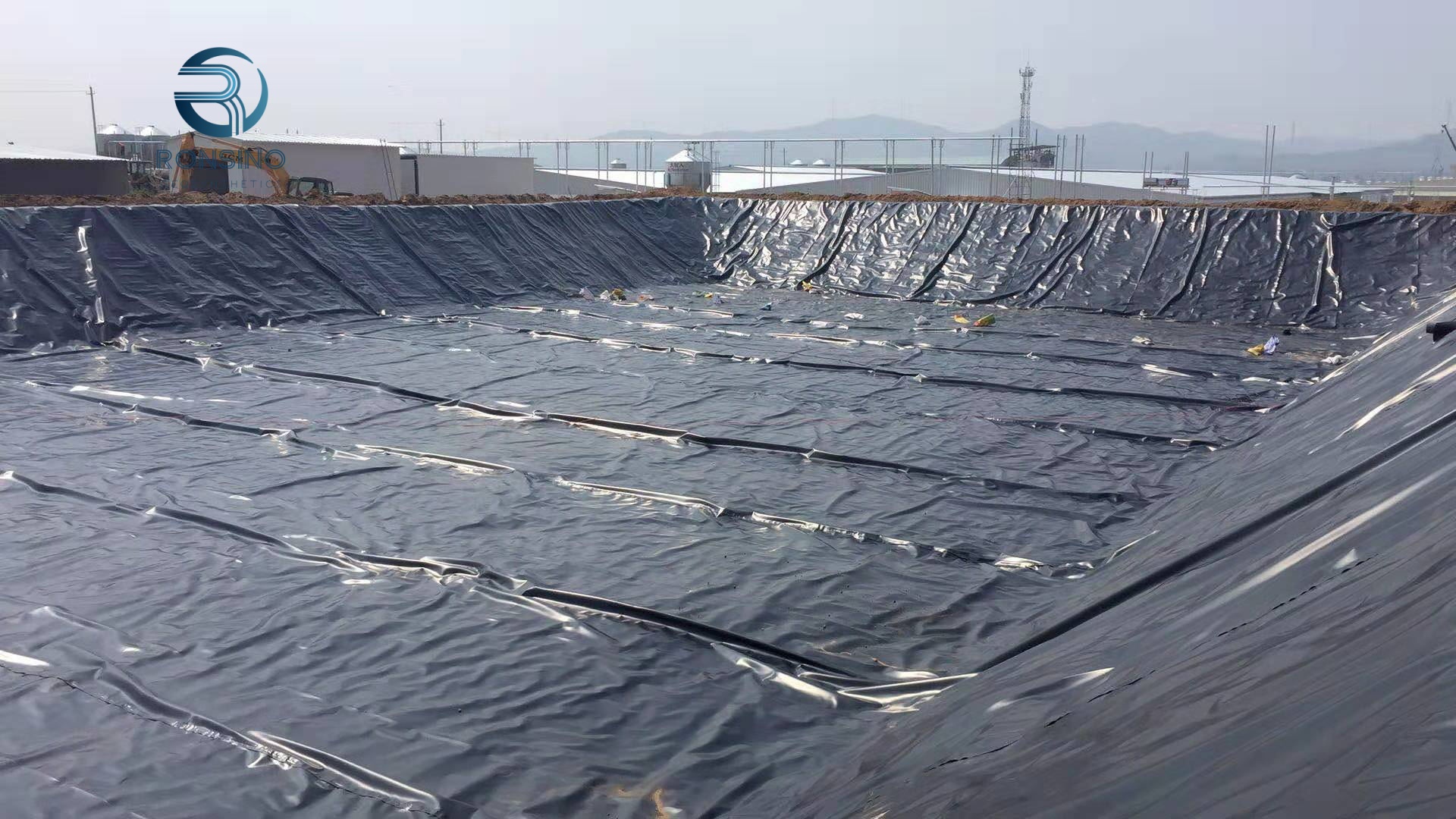
Laying of High Membrane Pond Liner for wastewater
1.Before laying HDPE Membrane Pond Liner, there should be the corresponding acceptance certificate of civil engineering.
2.Prior to the fabrication of the high-density polyethylene sheet, it is essential to precisely ascertain all relevant measurements, followed by tailoring the material in strict accordance with the specific site requirements. Typically, direct utilization of the dimensions illustrated in the provided diagram is not recommended; instead, each component should be systematically labeled and meticulously documented using a dedicated tracking form.
3.The overlapping distance at the seams of the HDPE Geomembrane Liners for ponds should typically exceed 10 centimeters, and the welding lines are customarily aligned in a direction parallel to the primary gradient, specifically oriented along the slope's contour.
4.In most cases, for regions exhibiting corner deformations, it is advisable to minimize the joint's length. Unless specific conditions dictate otherwise, on inclined surfaces steeper than a 1:6 gradient, within a 1.5-meter perimeter from the upper slope or zones of stress concentration, the placement of welds should be avoided.
5.When laying HDPE Membrane Pond Liner, we should strive to have fewer welds, and save raw materials as much as possible under the premise of quality. At the same time, the quality is guaranteed.
6.During the laying of HDPE Membrane Pond Liner, artificial wrinkles should be avoided. When the temperature is low, it should be pulled as tight as possible and paved flat.
7.Upon finalization of the high-density polyethylene membrane installation, it is imperative to restrict pedestrian traffic and the movement of equipment across its surface. Furthermore, all items that may potentially compromise the integrity of the waterproof barrier must be prohibited from being placed onto or transported atop the membrane, thereby preventing any unintended harm to the material.
Specifications of High Membrane Pond Liner for Wastewater Treatment in Nicaragua
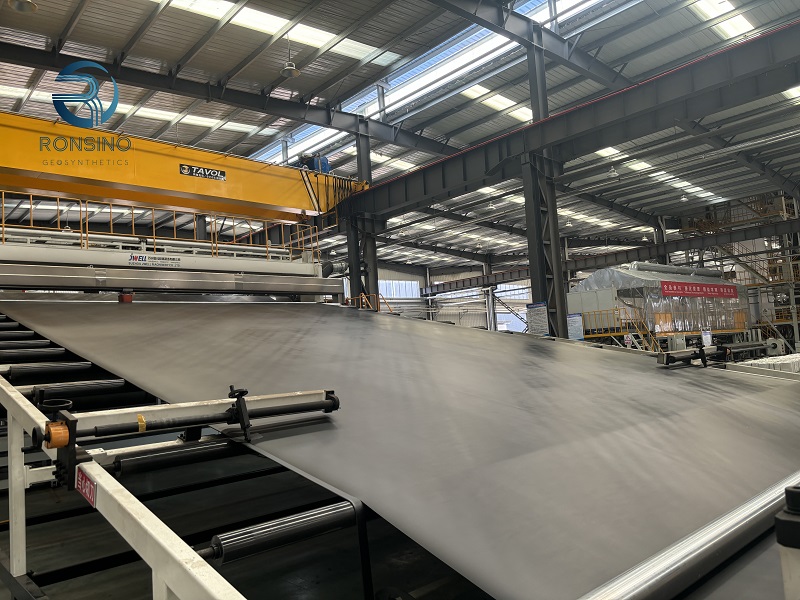
Total HDPE Membrane Pond Liner – 83790 squares meters
HDPE Membrane Pond Liner Thickness – 2mm
Each roll size is 7m*105m
About RONSINO
Since its establishment in 2007, RONSINO has always focused on developing and producing high-quality membrane and geosynthetic materials products and solutions for global customers. Our core innovative products cover multiple categories such as geotextiles, anti-seepage membranes, geogrids, geocells, bentonite waterproof blankets and drainage boards. RONSINO's customer network covers 126 countries and regions around the world, including the United States, Australia, France, Sweden, the United Kingdom, Hong Kong, Hungary, Nicaragua, Poland, Mexico, Ecuador, Brazil, Pakistan, Bangladesh, Thailand, Vietnam, Malaysia, Indonesia, Singapore, Philippines, Sri Lanka, India, United Arab Emirates, Saudi Arabia, Qatar, Kenya, Ghana, Ethiopia, Somalia, Nigeria, South Africa, Swaziland, Mongolia and other countries.
RONSINO offers both high quality geosynthetic products but also professional design and installation service. OEM, ODM, custom development and fabrication are also available.