How to choose the best plastic water storage tank?
Blog · 2026-06-05 · 0 views
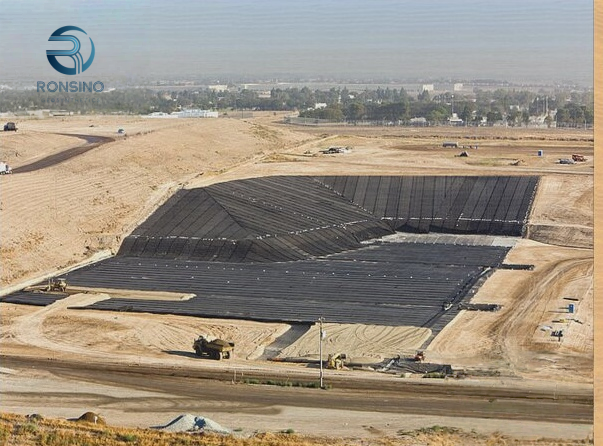
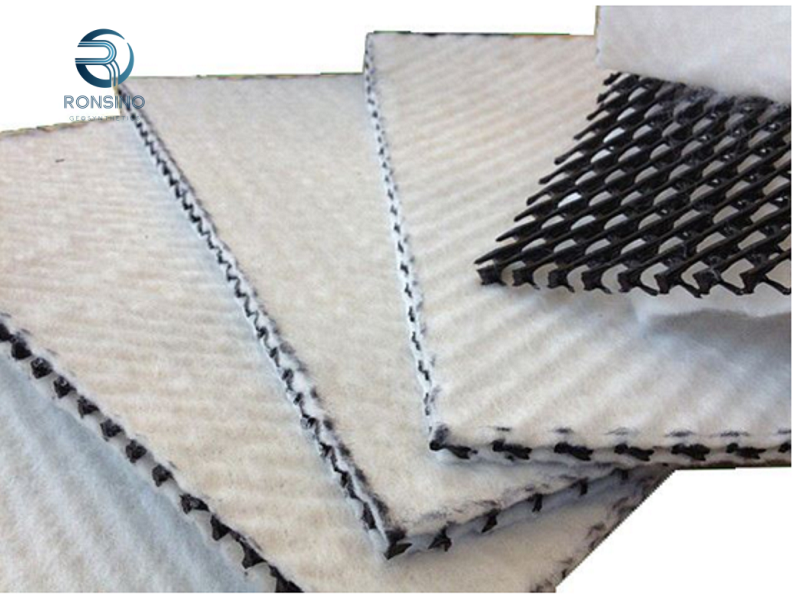
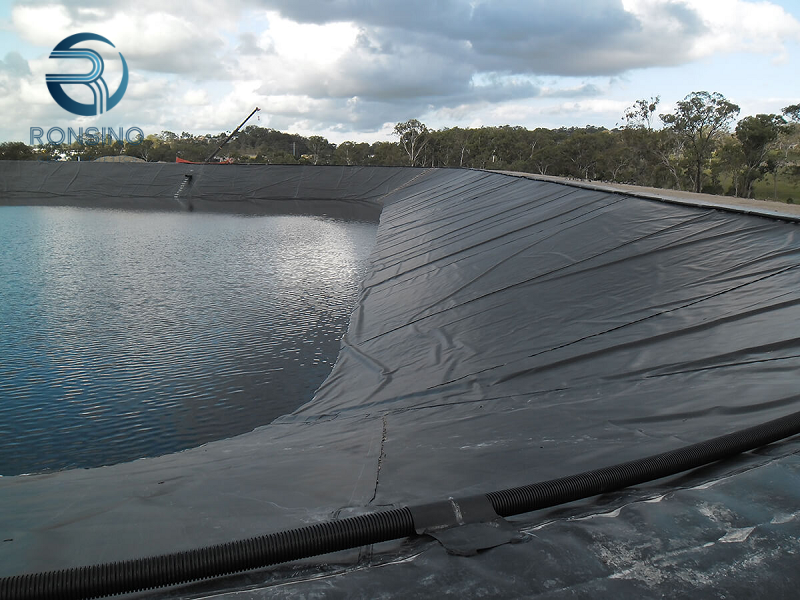
A plastic tank lining is a specialized protective coating, usually fabricated from common polymer materials including polyvinyl chloride, high-density polyethylene, or durable polypropylene, which is installed to cover the entire inner surface of a storage tank to avoid stored material contamination, tank body corrosion, or unexpected liquid leakage.It functions as a robust physical barrier, effectively isolating the stored liquid, powder or other bulk materials from the raw construction material of the tank body, and shielding the tank structure from erosion caused by corrosive chemical components or other damaging substances contained in the stored materials.
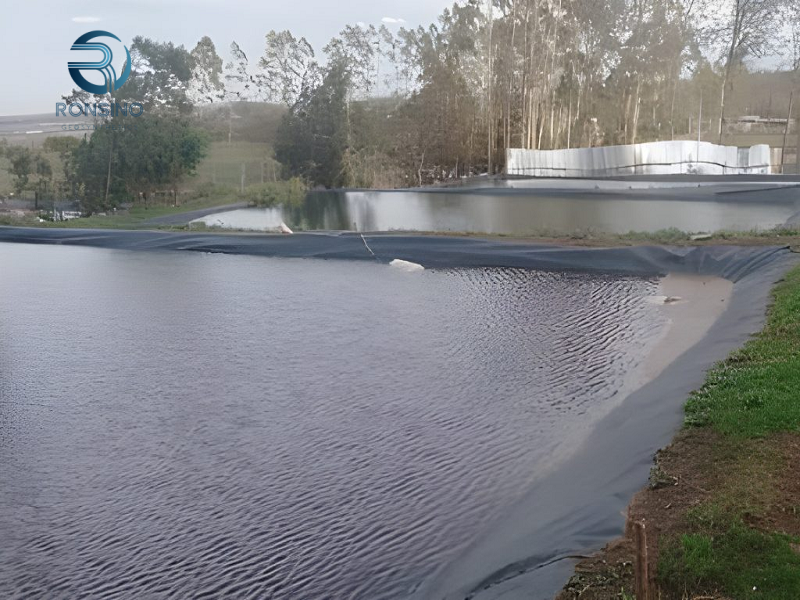
Plastic tank linings are particularly useful in situations where the soil cannot effectively retain water. In some areas, water reservoirs composed of sandy soil often leak water in a short period of time. In response to such situations, the use of RONSINO anti-seepage membrane is not only more economical and faster in construction than traditional anti-seepage basic solutions, but also makes subsequent maintenance more convenient.
1. Function of Plastic Tank Liner :
The core role of polyethylene aquaculture pond liners lies in effectively stopping water seepage losses, maintaining the stability of pond water environment indicators, and ultimately boosting the economic returns of aquaculture operations. As a high-performance waterproof and anti-seepage engineering material, this type of specialized pond liner boasts a range of outstanding application advantages, which makes it the preferred option for various pond aquaculture construction and renovation projects.
Plastic tank liners have excellent UV resistance and chemical resistance, which can effectively prevent water leakage and maintain stable pond water quality in the long term. This excellent waterproof and anti-penetration performance is essential for protecting pond water sources from pollution; it helps improve the aquaculture environment, reduce the frequency of disease, and increase the production and survival rate of fish and shrimp.
The use of plastic tank liners can also simplify the pond management process - such as making it easier to monitor fish and shrimp growth conditions and fishing operations - thereby shortening the production cycle and improving economic efficiency.
2. How To Choose Right Plastic Tank Liner?
Choosing the right plastic tank liner is crucial for ensuring durability, chemical resistance, and longevity. Here’s a step-by-step guide to help you select the best liner for your needs:
2.1 Plastic Tank Liner – Determine the Purpose of the Tank:
Water Storage (drinking, irrigation, aquaculture)
Chemical Storage (acids, fertilizers, fuels, wastewater)
Agricultural Use (manure, silage, feed storage)
Industrial Use (mining, oil & gas, processing)
2.2 Plastic Tank Liner – Consider Thickness (Mil/Gauge)
20-30 mil (0.5-0.75 mm) – Light-duty (water storage, small ponds)
30-40 mil (0.75-1 mm) – Medium-duty (agriculture, aquaculture)
40-60+ mil (1-1.5 mm+) – Heavy-duty (chemicals, industrial use)
Thicker liners offer better puncture resistance and longevity.
2.3 Plastic Tank Liner – Check Chemical Compatibility
If storing chemicals, verify that the liner material is resistant to the specific substances (e.g., acids, solvents, oils).
Consult a chemical resistance chart before finalizing.
2.4 Plastic Tank Liner – UV & Temperature Resistance
Outdoor tanks need UV-stabilized liners (HDPE, EPDM).
High-temperature liquids require PP or RPP liners.
2.5 Plastic Tank Liner – Seams & Welding Quality
Heat-welded seams are stronger than glued seams.
Factory-fabricated liners (custom-sized) reduce leaks.
2.6 Plastic Tank Liner – Warranty & Lifespan
Look for liners with 10-20+ year warranties for long-term use.
Cheap liners may degrade faster.
2.7 Plastic Tank Liner – Budget & Supplier Reputation
Compare prices but prioritize quality.
Buy from reputed manufacturers with good reviews.
2.8 Final Recommendation
For water storage: HDPE or LLDPE (30-40 mil).
For chemicals: PP or RPP (40-60 mil).
For ponds/agriculture: UV-resistant HDPE or EPDM.
In practical aquaculture, high-density polyethylene impermeable liners fully cover pond bottoms and inner walls, forming a physical barrier between water and underlying soil to prevent leakage and meet anti-seepage needs.This solution stops harmful substances in bottom soil from dissolving into water, keeping key water quality indicators such as pH, ammonia nitrogen and dissolved oxygen stable, indirectly improving the meat quality of farmed fish and shrimp. The stable water environment reduces stress responses of aquatic organisms, avoids overuse of fishery drugs caused by water quality fluctuations, and supports the healthy growth and nutrient accumulation of farmed species.Especially in water-scarce arid and semi-arid areas, standard anti-seepage transformation with aquaculture-specific impermeable liners greatly cuts invalid water loss from seepage, allows efficient allocation of limited water resources, and effectively lifts the output efficiency of unit aquaculture water and the overall economic benefits of the aquaculture industry.\
3. Advantages of Plastic Tank Liner:
3.1 High anti-seepage coefficient
Practical aquaculture fully lines pond bottoms and inner walls with high-density polyethylene impermeable liners, creating a water-soil physical barrier to meet anti-seepage requirements.This lining blocks harmful substances in bed soil from dissolving into water, stabilizes core water quality indicators, and indirectly enhances the meat quality of farmed fish and shrimp. The stable aquatic environment reduces stress responses of aquatic organisms, avoids excessive fishery drug use caused by water quality fluctuations, and supports healthy growth and nutrient accumulation of farmed species.Particularly in water-scarce arid and semi-arid areas, standard anti-seepage transformation with aquaculture-specific impermeable liners greatly reduces invalid seepage water loss, enables efficient allocation of limited water resources, and effectively improves the output efficiency of per unit aquaculture water as well as the overall economic benefits of the aquaculture industry.
3.2 Chemical stability
The high-performance impermeable geomembrane boasts exceptional chemical stability, and at present, it has been extensively applied across the entire aquaculture industry. It can withstand both extreme high and low temperature environments, and exhibits superior corrosion resistance against asphalt, petroleum, tar, as well as over 80 types of strong acidic, alkaline and other corrosive chemical media including acids, alkalis and salts.
3.3 Aging resistance
The anti-seepage membrane has excellent anti-aging and UV resistance due to the addition of 2%-3% carbon black in the production raw materials, and can be used naked
3.4 Low cost and high benefit
High-density polyethylene anti-seepage membrane uses advanced technology to improve anti-seepage performance, and its production process is more scientific and efficient, so the overall cost of the product is significantly lower than traditional waterproof materials. According to actual calculations and analysis, the application of high-density polyethylene anti-seepage membrane in general engineering projects can save about 30% to 50% of engineering expenses.
3.5 Fast construction speed
The anti-seepage membrane has excellent flexibility and provides a variety of specifications and laying methods to meet the anti-seepage needs of various fish ponds. It uses hot-melt welding technology for connection. The weld seam has high strength and the construction process is convenient, efficient, safe and environmentally friendly.
3.6 Environmental protection
All raw materials of the impermeable membrane are eco-friendly, non-toxic and pollution-free. Its anti-seepage mechanism fully depends on physical property changes, generating no toxic or harmful substances during operation. It is a highly cost-effective choice for water conservancy and aquaculture scenarios such as fish, shrimp and lotus root ponds and other similar water-related sites.
4. How to Install a Plastic Tank Liner
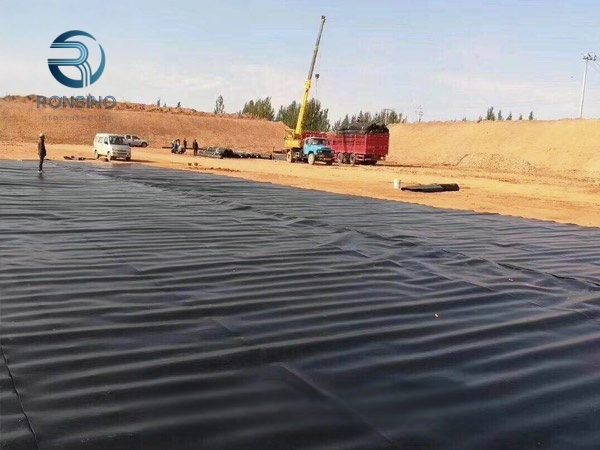
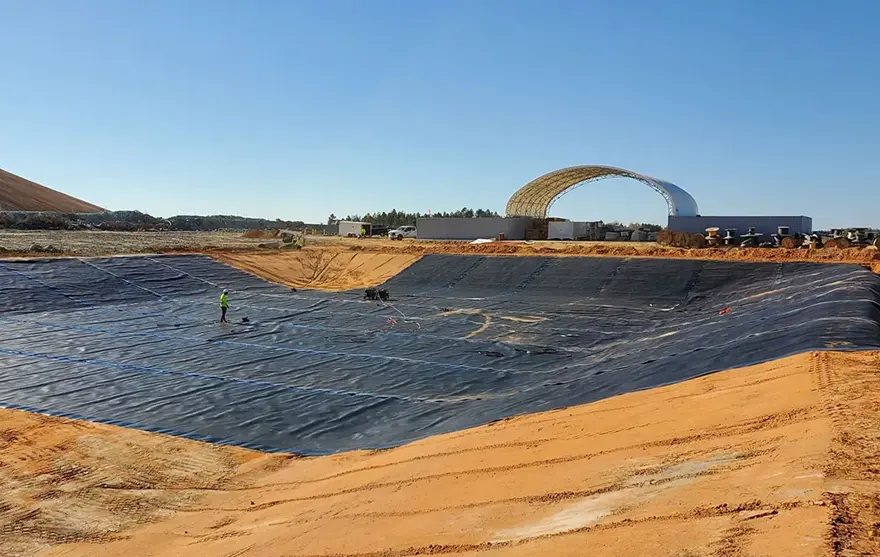
Correctly fitting a high-density plastic tank liner (also known as a geomembrane) is of paramount importance to guarantee its extended service life and effectively avoid leakage risks. No matter if it is used for drinking water storage facilities, hazardous chemical containment sites, or agricultural irrigation and aquaculture scenarios, standardized installation work can fully unlock its functional advantages and optimize its operational performance. The following are the core operation steps and key safety precautions to ensure the smooth completion of geomembrane liner installation.
4.1 Site Preparation
Surface Cleaning: Remove sharp objects, rocks, roots, and debris to prevent punctures.
Smooth Grading: Compact and level the base to avoid wrinkles or stress points.
Subgrade Protection: Use geotextile fabric under the liner (if required) for added protection.
4.2 Unrolling & Positioning the Geomembrane
Avoid Dragging: Unroll the liner carefully to prevent scratches or tears.
Temperature Considerations: Install in moderate weather (10°C–35°C) for easier handling.
Allow for Expansion: Leave some slack (1–2%) to accommodate thermal movement.
4.3 Seaming & Welding Techniques
Hot Wedge Welding: Best for HDPE & RPE liners, ensuring strong, continuous seams.
Extrusion Welding: Ideal for repairs and complex corners.
Seam Testing: Conduct air pressure or vacuum tests to confirm seam integrity.
4.4 Anchoring & Securing the Liner
Trench Anchoring: Bury the edges in an anchor trench (min. 300mm deep).
Mechanical Fasteners: Use batten strips for fixed structures like tanks.
Avoid Overstretching: Secure without excessive tension to prevent stress cracks.
4.5 Post-Installation Inspection
Visual Check: Look for wrinkles, misalignments, or damage.
Leak Detection: Perform spark testing (for conductive liners) or flood testing.
Protective Cover: Add a geotextile or soil layer if exposed to UV or abrasion.
5. Choose a reliable supplier to quote price for you :
RONSINO has always insisted on continuous investment in technological innovation, production facility upgrades and overall engineering capabilities. The company has invested US$10 million in the modernization of its production base, introduced an internationally leading fully automatic production line, and produced high-quality high-density polyethylene geomembranes and other geosynthetic materials through refined process management. Our rich product line is widely recognized by the market for its reliable quality assurance, excellent performance, excellent durability and excellent cost-effectiveness.
RONSINO's HDPE geomembranes and other geosynthetic materials products and solutions rely on solid technology, innovative engineering design and high-quality services to fully match your needs and optimize details to achieve outstanding results. The brand focuses on independent research and development and production of innovative high-performance geosynthetic materials, and is committed to overcoming various complex problems in civil construction, mineral development, environmental protection and other fields. The core competitiveness covers the three dimensions of strict quality assurance across the entire chain, cost-effective factory direct supply prices, and efficient and on-time delivery logistics. It is the core cornerstone for winning the trust of the market and customers.
Plastic tank linings are particularly useful in situations where the soil cannot effectively retain water. In some areas, water reservoirs composed of sandy soil often leak water in a short period of time. In response to such situations, the use of RONSINO anti-seepage membrane is not only more economical and faster in construction than traditional anti-seepage basic solutions, but also makes subsequent maintenance more convenient.
1. Function of Plastic Tank Liner :
The core role of polyethylene aquaculture pond liners lies in effectively stopping water seepage losses, maintaining the stability of pond water environment indicators, and ultimately boosting the economic returns of aquaculture operations. As a high-performance waterproof and anti-seepage engineering material, this type of specialized pond liner boasts a range of outstanding application advantages, which makes it the preferred option for various pond aquaculture construction and renovation projects.
Plastic tank liners have excellent UV resistance and chemical resistance, which can effectively prevent water leakage and maintain stable pond water quality in the long term. This excellent waterproof and anti-penetration performance is essential for protecting pond water sources from pollution; it helps improve the aquaculture environment, reduce the frequency of disease, and increase the production and survival rate of fish and shrimp.
The use of plastic tank liners can also simplify the pond management process - such as making it easier to monitor fish and shrimp growth conditions and fishing operations - thereby shortening the production cycle and improving economic efficiency.
2. How To Choose Right Plastic Tank Liner?
Choosing the right plastic tank liner is crucial for ensuring durability, chemical resistance, and longevity. Here’s a step-by-step guide to help you select the best liner for your needs:
2.1 Plastic Tank Liner – Determine the Purpose of the Tank:
Water Storage (drinking, irrigation, aquaculture)
Chemical Storage (acids, fertilizers, fuels, wastewater)
Agricultural Use (manure, silage, feed storage)
Industrial Use (mining, oil & gas, processing)
2.2 Plastic Tank Liner – Consider Thickness (Mil/Gauge)
20-30 mil (0.5-0.75 mm) – Light-duty (water storage, small ponds)
30-40 mil (0.75-1 mm) – Medium-duty (agriculture, aquaculture)
40-60+ mil (1-1.5 mm+) – Heavy-duty (chemicals, industrial use)
Thicker liners offer better puncture resistance and longevity.
2.3 Plastic Tank Liner – Check Chemical Compatibility
If storing chemicals, verify that the liner material is resistant to the specific substances (e.g., acids, solvents, oils).
Consult a chemical resistance chart before finalizing.
2.4 Plastic Tank Liner – UV & Temperature Resistance
Outdoor tanks need UV-stabilized liners (HDPE, EPDM).
High-temperature liquids require PP or RPP liners.
2.5 Plastic Tank Liner – Seams & Welding Quality
Heat-welded seams are stronger than glued seams.
Factory-fabricated liners (custom-sized) reduce leaks.
2.6 Plastic Tank Liner – Warranty & Lifespan
Look for liners with 10-20+ year warranties for long-term use.
Cheap liners may degrade faster.
2.7 Plastic Tank Liner – Budget & Supplier Reputation
Compare prices but prioritize quality.
Buy from reputed manufacturers with good reviews.
2.8 Final Recommendation
For water storage: HDPE or LLDPE (30-40 mil).
For chemicals: PP or RPP (40-60 mil).
For ponds/agriculture: UV-resistant HDPE or EPDM.
In practical aquaculture, high-density polyethylene impermeable liners fully cover pond bottoms and inner walls, forming a physical barrier between water and underlying soil to prevent leakage and meet anti-seepage needs.This solution stops harmful substances in bottom soil from dissolving into water, keeping key water quality indicators such as pH, ammonia nitrogen and dissolved oxygen stable, indirectly improving the meat quality of farmed fish and shrimp. The stable water environment reduces stress responses of aquatic organisms, avoids overuse of fishery drugs caused by water quality fluctuations, and supports the healthy growth and nutrient accumulation of farmed species.Especially in water-scarce arid and semi-arid areas, standard anti-seepage transformation with aquaculture-specific impermeable liners greatly cuts invalid water loss from seepage, allows efficient allocation of limited water resources, and effectively lifts the output efficiency of unit aquaculture water and the overall economic benefits of the aquaculture industry.\
3. Advantages of Plastic Tank Liner:
3.1 High anti-seepage coefficient
Practical aquaculture fully lines pond bottoms and inner walls with high-density polyethylene impermeable liners, creating a water-soil physical barrier to meet anti-seepage requirements.This lining blocks harmful substances in bed soil from dissolving into water, stabilizes core water quality indicators, and indirectly enhances the meat quality of farmed fish and shrimp. The stable aquatic environment reduces stress responses of aquatic organisms, avoids excessive fishery drug use caused by water quality fluctuations, and supports healthy growth and nutrient accumulation of farmed species.Particularly in water-scarce arid and semi-arid areas, standard anti-seepage transformation with aquaculture-specific impermeable liners greatly reduces invalid seepage water loss, enables efficient allocation of limited water resources, and effectively improves the output efficiency of per unit aquaculture water as well as the overall economic benefits of the aquaculture industry.
3.2 Chemical stability
The high-performance impermeable geomembrane boasts exceptional chemical stability, and at present, it has been extensively applied across the entire aquaculture industry. It can withstand both extreme high and low temperature environments, and exhibits superior corrosion resistance against asphalt, petroleum, tar, as well as over 80 types of strong acidic, alkaline and other corrosive chemical media including acids, alkalis and salts.
3.3 Aging resistance
The anti-seepage membrane has excellent anti-aging and UV resistance due to the addition of 2%-3% carbon black in the production raw materials, and can be used naked
3.4 Low cost and high benefit
High-density polyethylene anti-seepage membrane uses advanced technology to improve anti-seepage performance, and its production process is more scientific and efficient, so the overall cost of the product is significantly lower than traditional waterproof materials. According to actual calculations and analysis, the application of high-density polyethylene anti-seepage membrane in general engineering projects can save about 30% to 50% of engineering expenses.
3.5 Fast construction speed
The anti-seepage membrane has excellent flexibility and provides a variety of specifications and laying methods to meet the anti-seepage needs of various fish ponds. It uses hot-melt welding technology for connection. The weld seam has high strength and the construction process is convenient, efficient, safe and environmentally friendly.
3.6 Environmental protection
All raw materials of the impermeable membrane are eco-friendly, non-toxic and pollution-free. Its anti-seepage mechanism fully depends on physical property changes, generating no toxic or harmful substances during operation. It is a highly cost-effective choice for water conservancy and aquaculture scenarios such as fish, shrimp and lotus root ponds and other similar water-related sites.
4. How to Install a Plastic Tank Liner
Correctly fitting a high-density plastic tank liner (also known as a geomembrane) is of paramount importance to guarantee its extended service life and effectively avoid leakage risks. No matter if it is used for drinking water storage facilities, hazardous chemical containment sites, or agricultural irrigation and aquaculture scenarios, standardized installation work can fully unlock its functional advantages and optimize its operational performance. The following are the core operation steps and key safety precautions to ensure the smooth completion of geomembrane liner installation.
4.1 Site Preparation
Surface Cleaning: Remove sharp objects, rocks, roots, and debris to prevent punctures.
Smooth Grading: Compact and level the base to avoid wrinkles or stress points.
Subgrade Protection: Use geotextile fabric under the liner (if required) for added protection.
4.2 Unrolling & Positioning the Geomembrane
Avoid Dragging: Unroll the liner carefully to prevent scratches or tears.
Temperature Considerations: Install in moderate weather (10°C–35°C) for easier handling.
Allow for Expansion: Leave some slack (1–2%) to accommodate thermal movement.
4.3 Seaming & Welding Techniques
Hot Wedge Welding: Best for HDPE & RPE liners, ensuring strong, continuous seams.
Extrusion Welding: Ideal for repairs and complex corners.
Seam Testing: Conduct air pressure or vacuum tests to confirm seam integrity.
4.4 Anchoring & Securing the Liner
Trench Anchoring: Bury the edges in an anchor trench (min. 300mm deep).
Mechanical Fasteners: Use batten strips for fixed structures like tanks.
Avoid Overstretching: Secure without excessive tension to prevent stress cracks.
4.5 Post-Installation Inspection
Visual Check: Look for wrinkles, misalignments, or damage.
Leak Detection: Perform spark testing (for conductive liners) or flood testing.
Protective Cover: Add a geotextile or soil layer if exposed to UV or abrasion.
5. Choose a reliable supplier to quote price for you :
RONSINO has always insisted on continuous investment in technological innovation, production facility upgrades and overall engineering capabilities. The company has invested US$10 million in the modernization of its production base, introduced an internationally leading fully automatic production line, and produced high-quality high-density polyethylene geomembranes and other geosynthetic materials through refined process management. Our rich product line is widely recognized by the market for its reliable quality assurance, excellent performance, excellent durability and excellent cost-effectiveness.
RONSINO's HDPE geomembranes and other geosynthetic materials products and solutions rely on solid technology, innovative engineering design and high-quality services to fully match your needs and optimize details to achieve outstanding results. The brand focuses on independent research and development and production of innovative high-performance geosynthetic materials, and is committed to overcoming various complex problems in civil construction, mineral development, environmental protection and other fields. The core competitiveness covers the three dimensions of strict quality assurance across the entire chain, cost-effective factory direct supply prices, and efficient and on-time delivery logistics. It is the core cornerstone for winning the trust of the market and customers.