
What Is Geomembrane? Why Africa & South America Are Turning to It for Smarter Infrastructure
Latest News · 2025-07-30 · 0 views
Geomembranes: The Unsung Heroes of Modern Infrastructure in the Global South
Infrastructure management faces serious challenges, such as extreme weather, financial constraints and sudden pollution incidents. Preventing water or contaminants from seeping into unauthorized areas is a top priority in projects across Africa and South America, whether building waste treatment facilities or designing mine containment systems. Geomembrane, a strong polymer sheet, plays a key role in this and its importance is gradually being recognized by the industry.
So, What Exactly Is a Geomembrane?
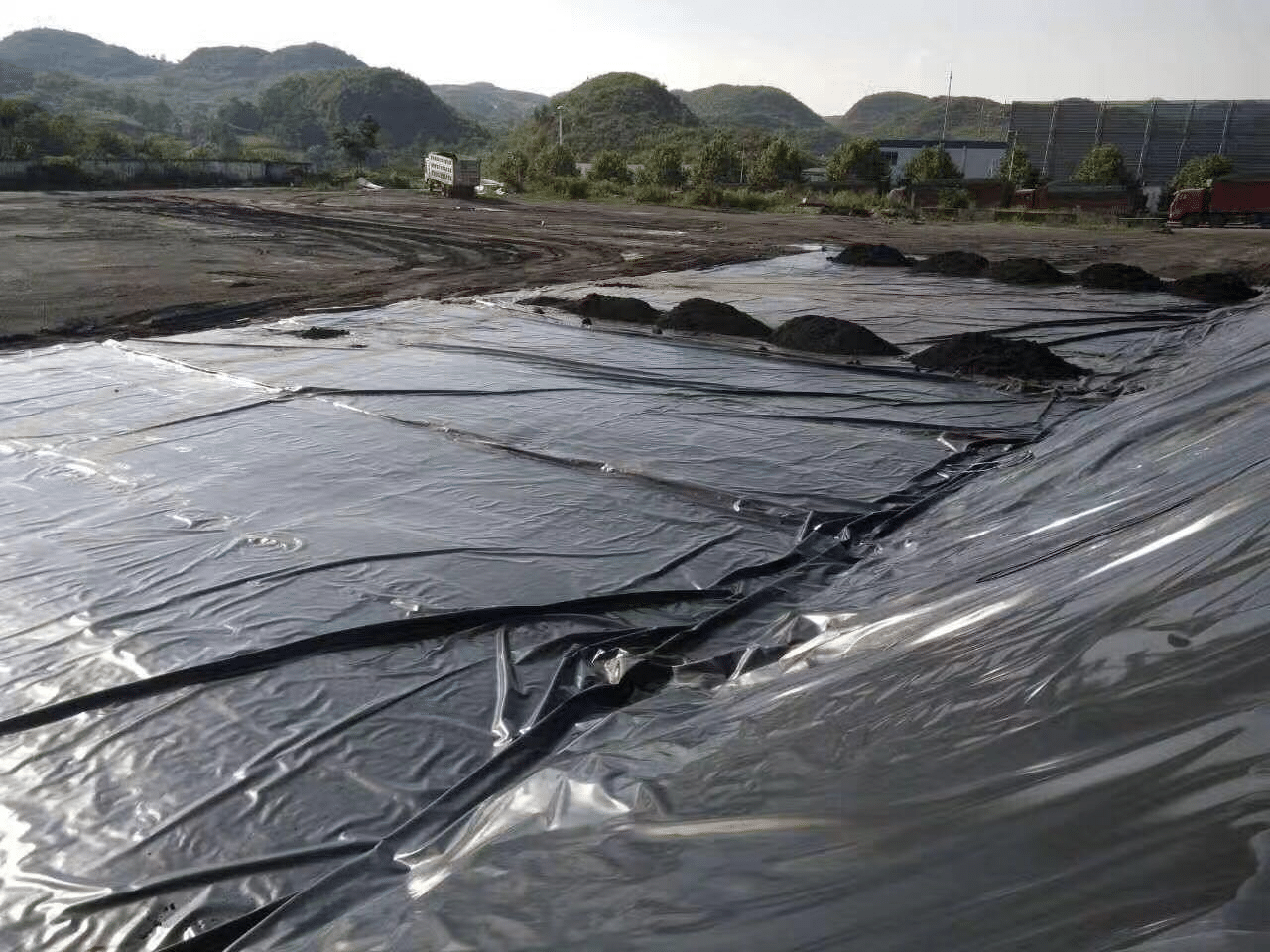
A geomembrane is essentially a synthetic barrier—envision exceptionally durable plastic films, meticulously crafted to endure demanding environments. Predominantly manufactured from HDPE (high-density polyethylene), alternative variants such as LDPE, PVC, or other specialized compounds may be selected based on specific project requirements.
They provide impermeability to water. They exhibit resistance to chemical degradation. And critically—they ensure consistent performance.
Why Are They So Hot Right Now in Africa and South America?
Short answer? Because they work, and they're affordable. Long answer? Let’s break it down:
1. Water Management Is No Joke
Farmers in dry zones of Ghana, Ethiopia, or Northern Brazil know every drop counts. Using geomembranes to line canals, ponds, and reservoirs reduces water loss by up to 90%. That’s a big deal when rain is unpredictable.
2. Mining Needs to Stay Compliant
Countries like Chile, South Africa, and Colombia are tightening up environmental regulations. Mining operators use HDPE geomembrane liners to contain toxic leachate and avoid nasty fines (or worse).
3. Landfills Are Growing — Fast
Urban centers like Lagos, Nairobi, São Paulo, and Lima are expanding like crazy. Cities need better waste management, and geomembranes offer the best bang-for-buck solution to keep toxins out of the soil and water.
4. Fish Farming Boom
From Uganda to Venezuela, aquaculture is blowing up. A pond lined with Ronsino geomembranes? Less leakage, better hygiene, and healthier fish.
Real Talk: What Makes Ronsino Stand Out?
Here’s the thing — not all geomembranes are created equal. Ronsino isn’t some factory selling random plastic rolls. We test our liners in real-world conditions: heatwaves in Nigeria, mountain terrain in Bolivia, and salt-heavy soils in Angola. If it survives there, it’ll survive anywhere.
Our most popular product? The Ronsino HDPE 1.5mm liner — tough as nails, certified to global standards, and ready to ship to your job site without drama.
Let’s Bust a Few Myths
Myth 1: “Concrete is better.”
Wrong. Concrete cracks, shifts, and costs way more to fix. Geomembranes bend with the earth and stay sealed.
Myth 2: “These liners only last 5 years.”
Not even close. Ronsino HDPE liners can last 20–30 years when installed right.
Myth 3: “It’s too expensive.”
Compared to what? A leak in your mine or waste site could cost thousands in cleanup and fines. Lining it right the first time? That’s just smart.
Where Are Geomembranes Being Used Right Now?
Gold mines in Ghana
Irrigation canals in Sudan
Oil refineries in Argentina
Sludge ponds in Tanzania
Landfills in Ecuador
Biogas containment in Kenya
Heck, we even supplied liners for a project protecting Amazon river tributaries. It’s a wide range — and growing.
How to Know What Geomembrane You Need
Not every project needs a 2mm liner. But you also don’t want to cheap out and regret it. Here's a quick cheat sheet:
| Application | Recommended Thickness | Material |
|---|---|---|
| Fish pond | 0.5mm–1mm | HDPE/LDPE |
| Landfill | 1.5mm–2mm | HDPE with textured surface |
| Mining | 1.5mm–2mm | HDPE or LLDPE |
| Irrigation canal | 0.75mm–1.5mm | HDPE |
| Oil & gas | 2mm+ | HDPE or special composite |
Still unsure? Hit up our team. We’ve got folks who’ve walked the walk in the field — not just read manuals.
Installation Tips from the Ground
Weld like a pro: Bad welds = bad news. Use hot wedge welding, and double-check seams with air pressure tests.
Watch the weather: Install on dry days, especially in the rainy season.
Slope matters: Water needs to drain properly. Flat liners are trouble waiting to happen.
Protect the liner: Use geotextiles or sand bedding to prevent punctures from rocks.
Final Thoughts: Africa & South America Deserve Smarter Solutions
Look — nobody’s saying geomembranes are sexy. But they work, and that’s what matters. Whether you’re a contractor in Nigeria, a civil engineer in Peru, or a fish farmer in Angola, choosing the right liner can mean the difference between success and a major headache.
At Ronsino, we’re not here to talk down to you or sell fluff. We’re here to help you get the job done right — with products that are built to last in the real world.
So yeah, maybe it’s time you gave geomembranes a second look.


