Large Pond Lines for Aquaculture Farm in Thailand
CASE · 2026-04-24 · 0 views
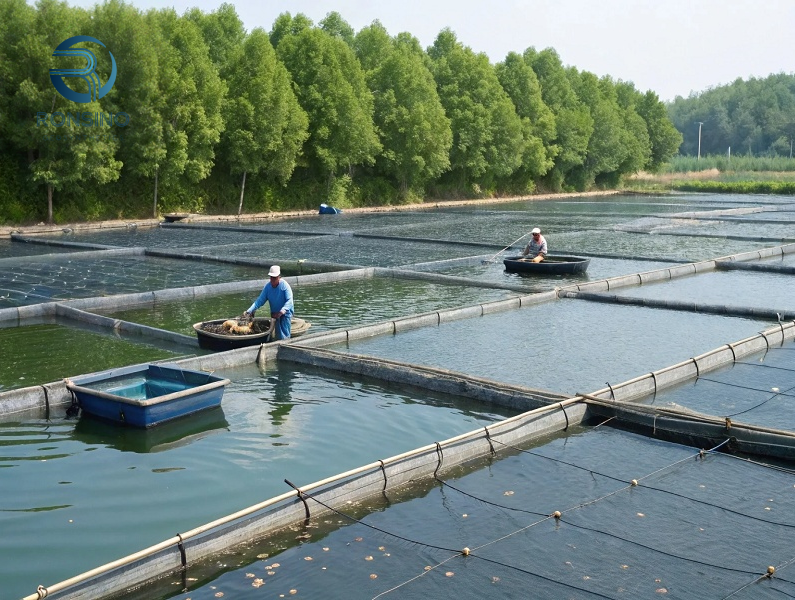
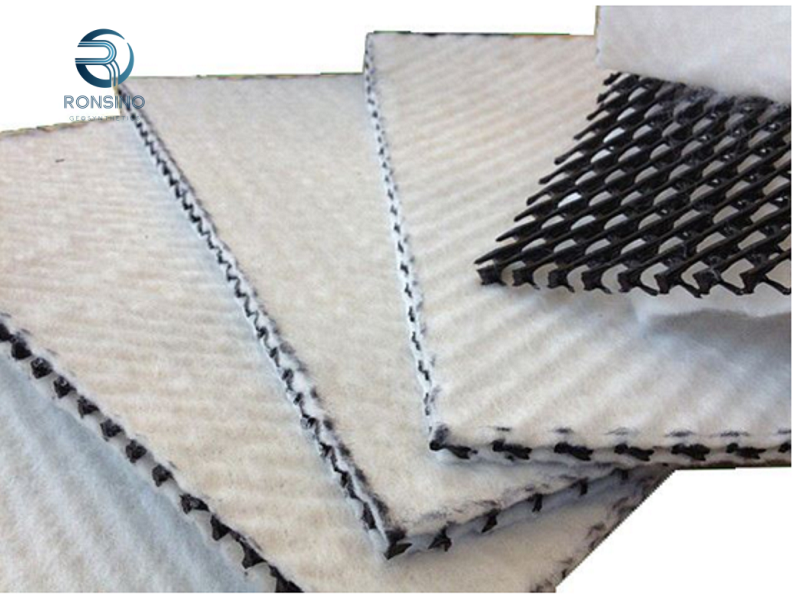
Pond lining fabric, or pond membrane, is a high-performance waterproof geomembrane. It's highly durable, resistant to environmental stress cracking, and chemically stable. Used as an impermeable layer in aquaculture systems like shrimp ponds and fisheries, it also serves industries such as commercial aquaculture, waste processing, landfills, and brine evaporation, providing reliable fluid containment.
RONSINO Geomembrane offers innovative, high quality pond material liner in custom thickness and size at best facrory price,
1. What Is Pond Material Liner?
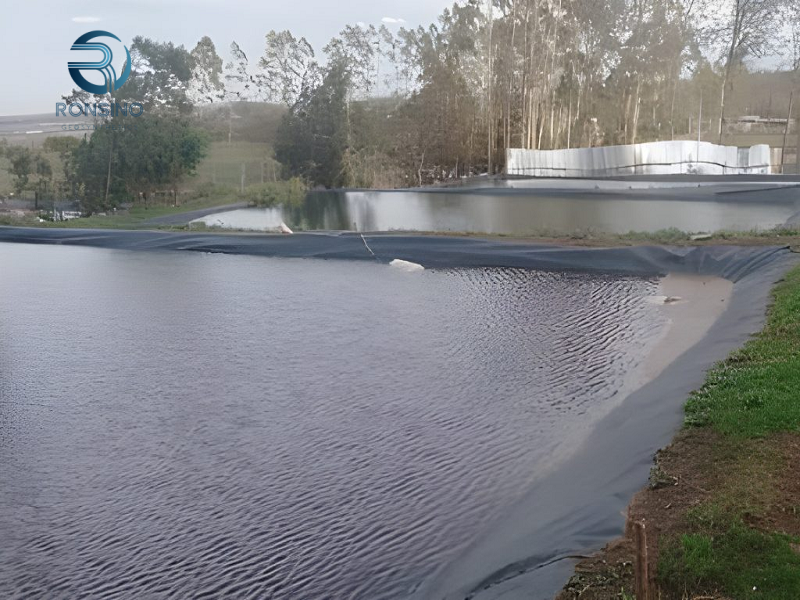
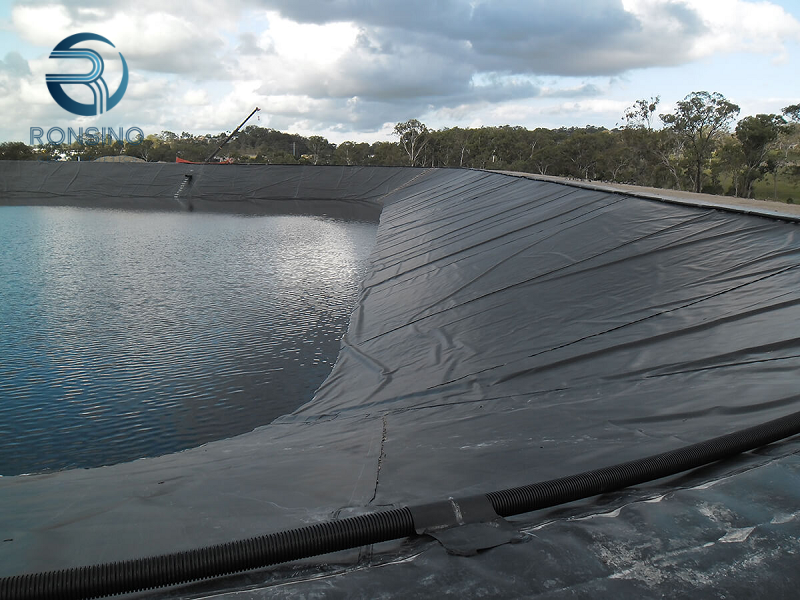
Large Pond Lines is a waterproof barrier specially designed for artificial ponds and reservoirs. It is made of durable synthetic materials and can effectively block water penetration and maintain a stable water level. It acts as a complete sealing system covering the inner surface of the water structure, isolating the external environment to maintain optimal humidity. The advanced manufacturing process gives it excellent sealing performance, which can prevent underground leakage and provide stable environmental support for aquatic ecosystems.
Pond lining membranes are commonly constructed from manufactured polymers like high-grade polyethylene (HDPE), flexible polyethylene (LDPE), polyvinyl chloride compounds (PVC), or strengthened polyethylene sheets (RPE). These specialized materials are selected for their long-lasting properties, adaptable nature, and ability to withstand chemical exposure, sunlight degradation, and physical damage.
2. What Are Benifits of Pond Material Liner for Aquaculture Farm in Thailand
2.1 High Strength
Pond liners such as HDPE have excellent mechanical properties, with tensile strengths of 17 kN/m (yield) and 33 kN/m (break), and elongation of 700-800% (break), which significantly improves the durability of the facility. The material has both strength and flexibility, is resistant to water pressure and foundation displacement, has stable performance in water environments and reduces maintenance. Compared with traditional materials, engineering polymer liners have rigid elastic balance, adapt to foundation movement, are suitable for breeding in changing environments, and ensure long-term stable operation.
2.2 Improved Water Quality
Pond liners enhance aquaculture by preventing contamination, reducing disease, and increasing yields. Durable geomembranes block pollutants, ensuring healthy growth and ecosystem protection. Benefits include erosion control, lower maintenance, and improved harvest quality. They isolate species from hazards and simplify waste management. Lined ponds are eco-friendly and cost-efficient, supporting sustainability and profitability.
2.3 Edible Grade
HDPE pond liners, like RONSINO's ISO-certified products, meet strict food safety standards with antimicrobial properties, smooth surfaces for easy cleaning, and durability for repeated sanitization.Food-grade certified, they ensure sanitary aquaculture conditions, producing high-quality seafood that meets global safety standards. This technology boosts biosecurity and sustainability, combining advanced materials and hygiene for modern, eco-conscious food production.
2.4 Increased Production Efficiency
HDPE pond liners enhance aquaculture efficiency by improving oxygenation, increasing yields, and enabling frequent harvests. These durable liners maintain water quality, prevent nutrient loss, and inhibit bacterial growth. Their flexible, UV-resistant design fits various ponds, with welded seams ensuring durability. Compared to earthen ponds, they reduce maintenance, algae buildup, and disease risks.Economically, they offer high ROI through lower water and chemical use, better feed efficiency, and a 20+ year lifespan. Environmentally, they prevent groundwater pollution and minimize land use, promoting sustainability.Thailand’s aquaculture industry can improve operational resilience through the use of specialized pond liners. This advanced material extends facility life, optimizes the breeding environment, complies with international safety standards and streamlines processes.High-quality liner systems help maintain ideal water quality and reduce pollution risks, safeguarding aquatic health and reducing environmental impact, thereby enhancing the long-term benefits of the industry. Modern liner technology provides a reliable foundation for sustainable farming, and its durability ensures stable output that meets the stringent standards of global markets. This technology helps Thai breeding companies enhance their competitiveness and promote sustainable management of resources. Pond liners that combine durability and environmental friendliness are key components for the future of aquaculture. 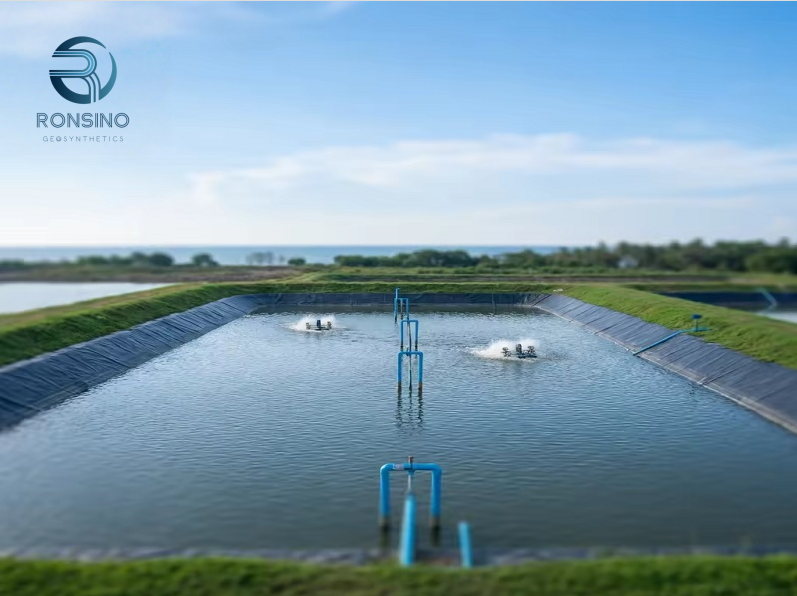
3. How to Right Choose Large Pond Lines for Aquaculture?
3.1 Thickness
Select the optimal thickness for your HDPE pond liner according to your aquaculture system's unique needs. Thicker liners provide enhanced longevity and superior puncture resistance, ideal for environments with potential exposure to abrasive materials or intensive operational demands.
3.2 Material Quality
Selecting a premium-grade HDPE liner that complies with rigorous industry specifications is crucial for optimal performance. Prioritize liners produced using pure virgin resin rather than reprocessed materials, as these offer superior durability and extended service life.
3.3 Chemical Compatibility
When selecting an HDPE liner for aquaculture, you need to confirm its chemical resistance, including its stability to water treatment agents, nutrients and disinfectants, and its long-term resistance to pollutants and secondary compounds.Check the manufacturer's data to ensure the material is compatible with conventional and emergency chemicals, focusing on pH stability and temperature limits. Ask for test reports that match actual operating conditions to prevent degradation.For highly corrosive or special chemicals, it is recommended to conduct a small test first to avoid losses.
3.4 Installation Ease
When choosing HDPE anti-seepage membrane:
Installation Difficulty: Choose professional or DIY models based on technical ability.
Thickness: Thickened version for harsh environments (durable and puncture-resistant), thin version for general needs (economical).
Advantages: Excellent chemical resistance, ensuring aquaculture water quality.
Key life factors:
1) Material – High-quality HDPE is more durable;
2) Construction – standardize welding pretreatment;
3) Environment – Anti-UV, temperature change, and wear;
4) Maintenance – Regular inspection.
Comprehensive evaluation can optimize cost performance to meet long-term aquaculture needs.
3.5 Budget
When formulating a financial plan for aquaculture, priority should be given to selecting qualified HDPE geomembrane, not just price. Multiple suppliers need to be compared to evaluate thickness, durability, chemical resistance and warranty, and include installation fees. Be sure to consult experts to confirm compatibility to prevent operational problems and extend life, and record the evaluation results throughout the process to aid decision-making.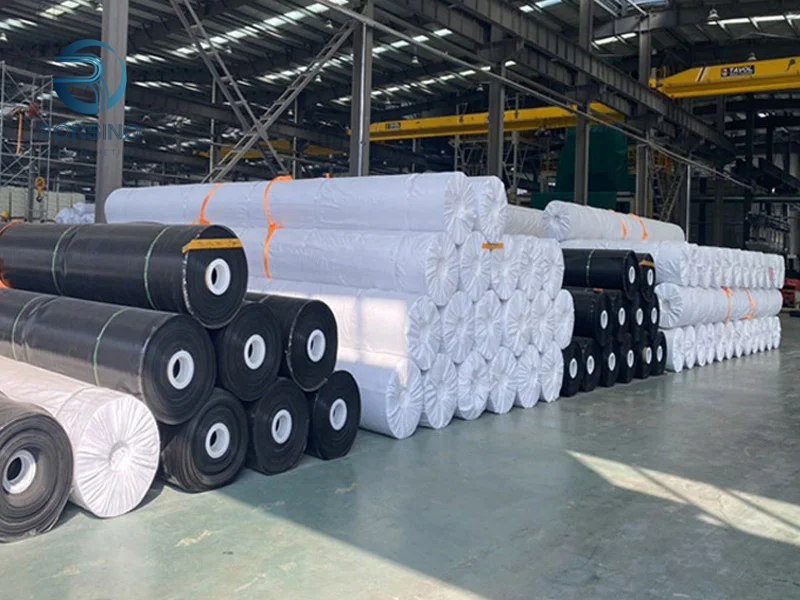
4. Case Study of RONSINO Pond Material Liner for Aquaculture Farm in Thailand
A Thai customer contacted RONSINO through the professional geomembrane online platform to inquire about the price of high-density polyethylene (HDPE) anti-seepage membrane for fish farming projects. After evaluating the customer's requirements for acid and alkali resistance, chemical corrosion resistance and service life, RONSINO relied on 11 years of export experience to recommend two cost-effective HDPE anti-seepage membranes of 0.75mm and 1mm to ensure the best performance and cost-effectiveness of the project.
RONSINO recommends the use of geomembranes that comply with ASTM standards as a reliable solution to prevent soil contamination in ponds. After expert evaluation, in order to balance durability and longevity, the customer finally selected a 1.0mm thick high-density polyethylene (HDPE) geomembrane. This choice aims to achieve long-term economic benefits by reducing maintenance costs. RONSINO provides customers with a complete set of solutions including geomembrane samples, TRI test certification and past project cases.
Within seven days, the fish pond lining samples arrived in Thailand, and the customer was deeply impressed. For in-depth understanding, the customer requested to visit the factory, and RONSINO quickly provided a complete production video from raw materials to loading. This move was highly appreciated by customers and recognized RONSINO's professional capabilities in the field of HDPE fish pond lining.
5. About RONSINO Geomembrane
RONSINO Geomembrane has been dedicated to offering comprehensive geosynthetic products and tailored solutions to a global clientele ever since its establishment in 2007. The company excels not only in producing premium-quality geosynthetic materials but also in delivering expert design and installation support. Additionally, RONSINO accommodates OEM, ODM, and bespoke development and fabrication requests to meet specific project requirements. Should you have any inquiries or require further information, feel free to reach out to our team.