
PVC Liner for Iron Mine Project in Guinea
CASE · 2026-01-26 · 0 views
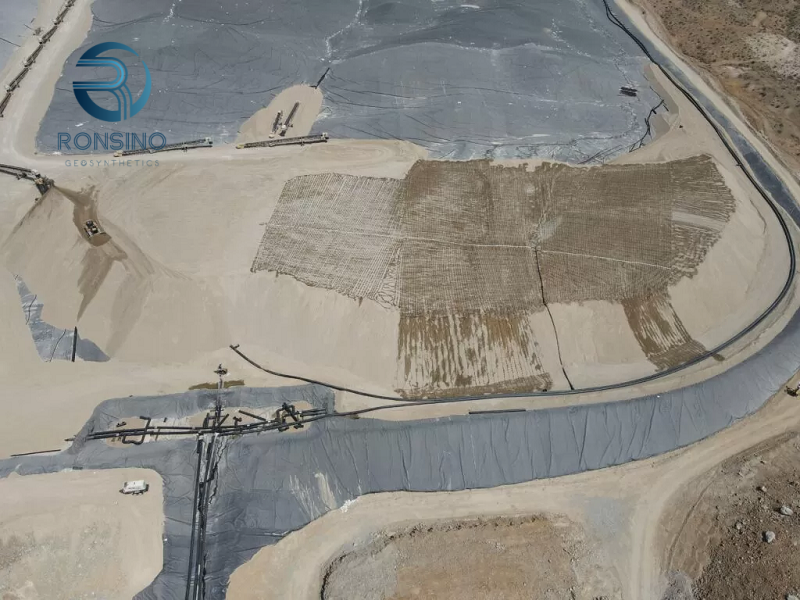
1. What Is PVC Liner Liner?
A PVC liner is a multi - purpose, efficient option for many engineering and environmental projects. It regulates fluid or gas movement, and is vital for protecting drinking water and aquatic life. Made by combining vinyl compounds, plasticizers and stabilizers, it's a highly flexible thermoplastic waterproofing geomembrane.
PVC geomembranes are manufactured through calendaring or extrusion, producing non-reinforced liners that are cost-effective and flexible. These liners offer high puncture strength and excellent abrasion resistance, making them ideal for demanding environments. Additionally, PVC geomembranes exhibit strong resistance to a wide range of industrial chemicals, further enhancing their suitability for containment applications.
PVC geomembrane liners, due to their pliability, can adapt to the subgrade contours, ensuring a proper fit and reducing leakage or movement risks. They offer excellent interface friction even without a textured surface, enhancing their performance in containment applications.
Using PVC liners can significantly reduce the likelihood of pollutants infiltrating groundwater or streams, which is crucial for protecting the environment and ensuring clean drinking water. PVC liners prevent water seepage, preserving water resources and making them an eco - friendly choice.
Polyvinyl chloride (PVC) geomembranes have diverse formulations (e.g., fish - suitable grades for aquatic settings and oil - resistant types) tailored to project needs. Their thickness ranges from 20 mil to 60 mil, allowing customization based on application and protection requirements: high - protection projects may need thicker ones and less demanding projects can use thinner ones.
PVC liners are widely used and trusted for waste impoundments and containment. Their chemical resistance and flexibility help protect potable water, making them a top choice in industries where fluid or gas migration control is key.
2.What Are PVC Liner Used for Iron Mine Project in Guinea?
2.1 Surface covering
A PVC liner is a protective layer that mainly prevents water seepage into the ground and leaching of harmful soil substances. In iron ore engineering, it's commonly used to stop acidic water in abandoned ore stockpile areas from seeping out and prevent waste in the area from entering soil and groundwater.
2.2 Soil Impermeability
In the iron ore area, PVC liners can be used to build impermeable zones, which prevent water, chemicals, and waste from seeping into groundwater and the surrounding environment. An effective way is to install geosynthetic membranes, including under excavation pits for iron - ore extraction, storage areas for mining - related materials, and waste disposal areas. The HDPE geomembrane liner, with its excellent impermeable properties, can effectively stop leakage, protecting water resources and maintaining environmental stability and cleanliness.
In the iron ore area, PVC liners can build impermeable zones to prevent water, chemicals and waste from seeping into groundwater and the environment. Installing geosynthetic membranes under iron - ore excavation pits, mining - material storage areas and waste disposal areas is effective. The HDPE geomembrane liner, with good impermeability, can stop leakage, protecting water resources and the environment.
3.Case Study of PVC Liner Guinea for Iron Mine Project
Location: Guinea
Product: 1.5mm/2.0mm HDPE Geomembrane
Application: Iron Mine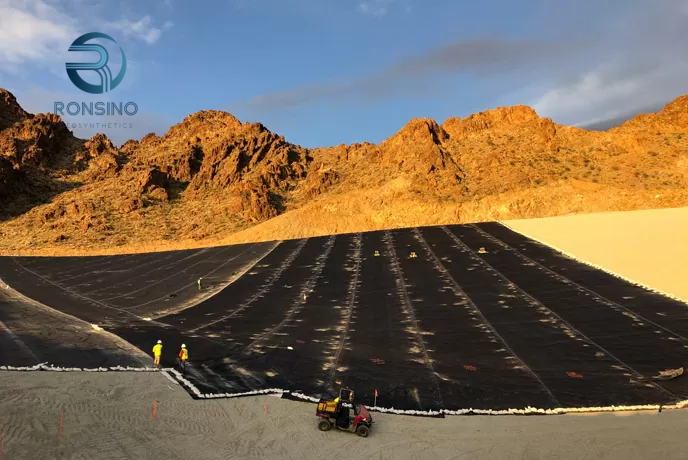
4.Solutions of RONSINO PVC Liner for Iron Mine Project in Guinea
In iron ore engineering, PVC Liners are widely used for surface coating, soil anti - seepage, and environmental protection. Recently, a Guinean client found new iron ore deposits in the Pilar area. Their project required high - grade geomembranes. After a Google search, they found RONSINO Geosynthetics and contacted us to inquire about our production capacity and products. They shared details of their iron ore project and stressed caution due to the large purchase quantity.
Addressing the client's quality assurance concerns, they requested 1.5mm and 2.0mm PVC liner samples for independent testing. The client stressed that purchase was contingent upon sample approval. We promptly provided two square meters of geomembrane samples, along with existing third-party test reports and detailed test process videos for their evaluation.
One month later, the customer received the local test report, confirming that all test results met Guinea’s strict standards. The customer is very satisfied and trusts the quality and reliability of our PVC lining products.Subsequently, the two parties launched in-depth order negotiations. The customer placed special emphasis on strict quality control during production and delivery. To ensure product excellence, customers require comprehensive pre-shipment testing to ensure only high quality goods are delivered.
This case study highlights the Guinean client's meticulous approach in selecting a supplier for their iron - ore project. By conducting in - depth third - party and extra tests, they ensured the reliability and long - term quality of PVC Liner liners. Our quick response, provision of detailed test reports, and willingness to meet their strict requirements built trust and enabled successful cooperation.
Consequently, our PVC liners will be used in the client's iron-ore engineering project for surface coating, soil anti-seepage, and environmental protection. This case highlights our commitment to delivering high-quality products and meeting the stringent requirements of clients in the iron-ore industry.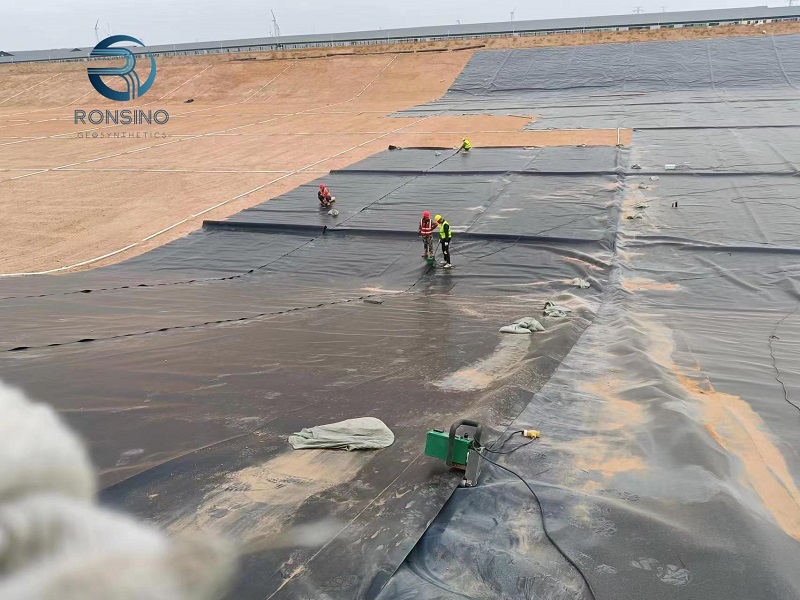
5. How To Install PVC Geomembrane Liner for Iron Mine Project
5.1 Site Preparation
Prepare the construction area by making it clear and even. Guarantee that the surface is flat, and take out any pointed objects or waste materials that might cause harm to the HDPE geomembrane liner.
5.2 Foundation treatment
As required, implement foundational treatments like soil backfilling and compacting to establish a consistent base.
5.3 HDPE geomembrane installation
Place the geosynthetic membrane onto the pre - prepared foundation in accordance with the specified design criteria. When installing the geomembrane, treat it with great caution to prevent any scratches or damages from occurring.
5.4 Connection and fixation
Employ specialized joints and fasteners for connecting the edges of the geosynthetic geomembrane so as to guarantee a snug and air - tight seal. Moreover, fasten the HDPE geomembrane liner firmly with weights or fasteners to avoid any unwanted movement.
5.5 Inspection and repair
After the HDPE geomembrane liner is installed, conduct a thorough inspection to identify any damage or defects. If any punctures or flaws are detected, carry out repairs immediately.
It should be noted that the specific use of the HDPE geomembrane liner may vary depending on engineering requirements, design specifications, and material characteristics. In practice, all operations should be performed in accordance with engineering needs and professional guidance.


