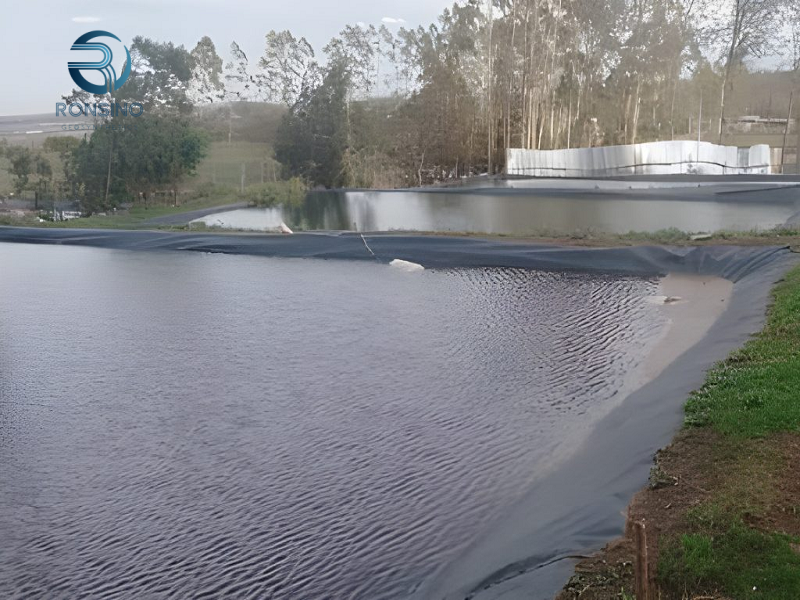
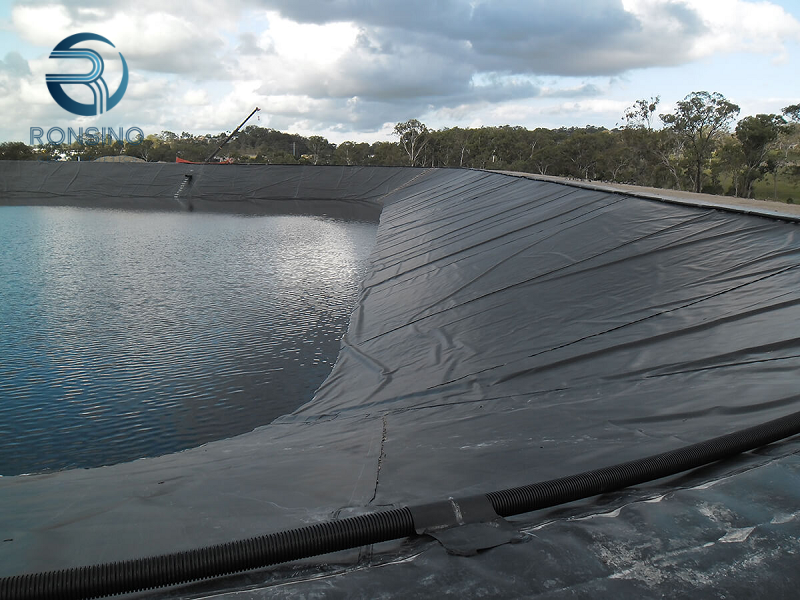
What Are The Characteristics of HDPE Pond Liners Used in Landfills?
Blog · 2026-07-04 · 0 views
1. HDPE Pond Liner For Landfills – Unparalleled Chemical Resistance
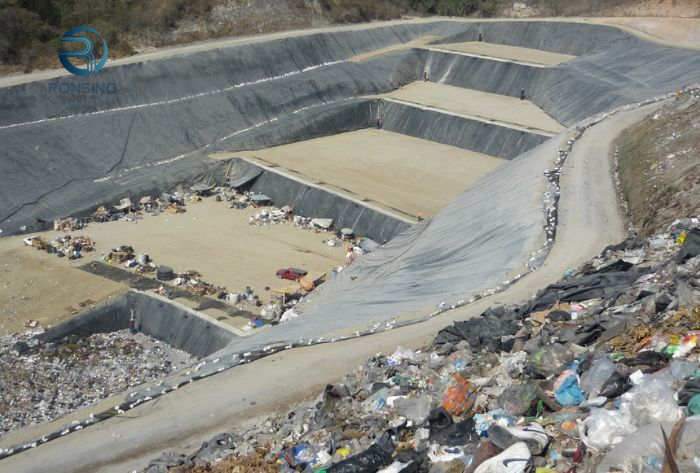
The Challenge: Landfill leachate constitutes a highly hazardous solution. As liquid seeps through decaying refuse, it absorbs an extensive mixture of pollutants, including corrosive acids, alkaline substances, volatile solvents, toxic heavy metals, soluble salts, complex organic compounds, and harmful microorganisms. A barrier system must endure deterioration caused by this noxious chemical amalgamation for numerous years.
HDPE’s Remarkable Durability: High-density polyethylene exhibits extraordinary chemical inertness. Its non-polar molecular composition ensures exceptional resistance to a wide array of chemicals prevalent in leachate. Distinguishing it from numerous alternative polymers, HDPE neither expands, dissolves, nor experiences substantial deterioration upon contact with aggressive acidic, alkaline, alcoholic, or oxidizing substances. This unparalleled stability is critical in averting liner breaches and the subsequent contamination of underlying soil strata and aquifer systems. Rigorous testing protocols, including those outlined in EPA Method 9090, consistently validate HDPE’s outstanding resilience and performance.
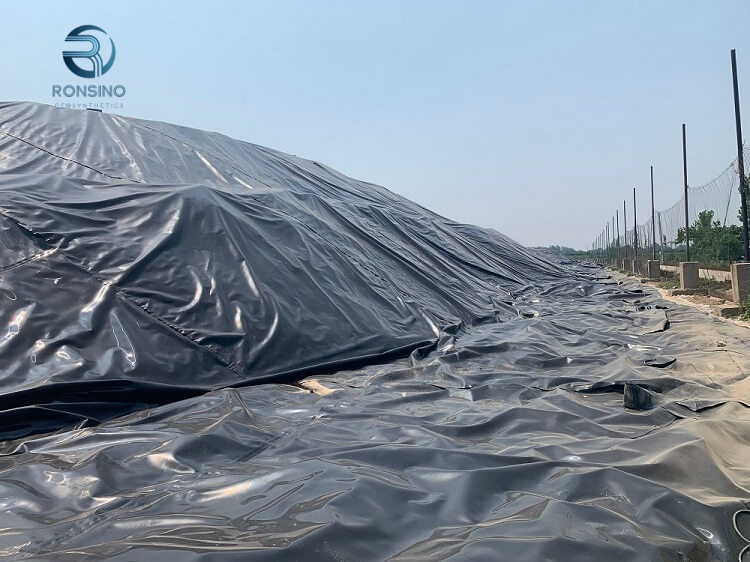
2. HDPE Pond Liner For Landfills – Exceptional Durability & Longevity
2.1 The Challenge:
As a long-term storage facility, landfills still require environmental protection measures that last for decades or even more than a century even after they are decommissioned. Its impermeable layer must withstand persistent pressure, external environmental erosion and possible settlement effects without significant deterioration in performance.
2.2 HDPE’s Superpower:
HDPE geomembranes are designed for extreme longevity. Key factors contributing to this:
UV Resistance: Engineered with premium-grade carbon black (concentrated at 2-3%), HDPE liners demonstrate exceptional resilience against photochemical degradation induced by prolonged solar exposure, ensuring structural integrity throughout the vulnerable installation phase and prior to final protective capping.
Superior Crack Resistance in Stress Environments (SCR): Premium-grade high-density polyethylene (HDPE) compositions demonstrate outstanding resistance to stress-induced cracking, as validated through established methodologies such as the Notched Constant Tensile Load Test (NCTL). This characteristic effectively inhibits the initiation and advancement of fissures under sustained mechanical stress, representing a pivotal vulnerability in geosynthetic liner systems.
Biological Resistance: HDPE exhibits exceptional resistance to decay, fungal colonization, and damage from rodents or insects, factors that frequently compromise natural materials.
Material Integrity: Produced with stringent adherence to established protocols (ASTM, GRI), HDPE geomembranes demonstrate uniform composition and lack imperfections that might lead to structural weaknesses.
3. HDPE Pond Liner For Landfills – Very Low Permeability
The primary objective of a landfill barrier system is to impede the movement of contaminated fluids beyond the designated waste disposal zone. Even the most minimal seepage occurring across extensive regions and prolonged periods may result in substantial ecological harm.
HDPE’s Remarkable Barrier Capabilities:
HDPE geomembranes exhibit an extraordinarily low permeability rating, generally registering around 1 x 10-13 cm/s or even less. This characteristic ensures that moisture vapor migration through the unbreached material is virtually nonexistent. Although joints and puncture points necessitate rigorous sealing protocols, the inherent impermeability of the HDPE membrane itself surpasses that of compacted clay substrates by several orders of magnitude. It functions as an almost absolute hydraulic containment system.
4. HDPE Pond Liner For Landfills – High Strength & Puncture Resistance
4.1 The Challenge:
The construction and operation of landfills are in harsh environments. Laying the impermeable layer requires heavy equipment working on the surface. The accumulation of waste exerts enormous pressure. Sharp objects in the waste pose a puncture risk. The impermeable layer must withstand these physical challenges.
4.2 HDPE’s Superpower:
HDPE geomembranes exhibit excellent tensile strength, tear resistance, and puncture resistance. Their key characteristics include:
Tensile strength: Measured in both the machine direction and transverse direction, this material demonstrates significant yield strength and tensile strength.
Puncture Strength: Tested according to standards such as ASTM D4833/D4883, this simulates the pressure required for a probe or gravel to penetrate the liner. High-density polyethylene (HDPE) liners (widely used in landfills) exhibit excellent puncture resistance due to their thickness.
Tear Strength: ASTM D1004 (trouser tear test) and D5884 (constant traction rate tear test) are used to evaluate a material's resistance to tearing forces. HDPE materials perform excellently in this indicator.
Impact Resistance: This material effectively absorbs impact energy without breaking, exhibiting significant impact resistance.
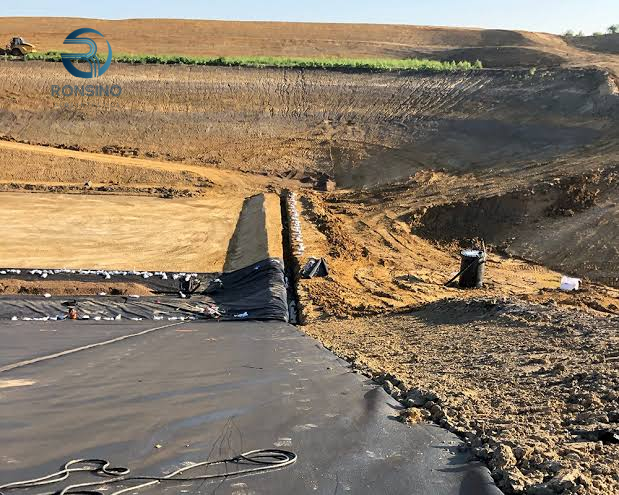
5. HDPE Pond Liner For Landfills – Proven Seam Integrity & Weldability
The Challenge: Landfill containment systems span vast areas, necessitating the seamless integration of numerous individual sections. The durability of these connections is absolutely critical, as any compromise in the bond represents a significant vulnerability. The chosen bonding technique must be exceptionally dependable, validated through extensive practical application, and capable of straightforward inspection.
HDPE’s Superpower: HDPE exhibits remarkable compatibility with thermal fusion welding, establishing it as the benchmark method for producing unified, impervious joints. Approved approaches encompass:
Double Hot Wedge Bonding: Simultaneously forms two adjacent fused lines, incorporating an integrated conduit to facilitate nondestructive examination (NDE).
Extrusion Fusion: Primarily employed for intricate geometric configurations, localized reinforcements, and structural refurbishments.
Quality Assurance: All bonded interfaces undergo comprehensive scrutiny through both destructive evaluation (adhesion, tensile assessments) and dependable nondestructive techniques (including pressurized air validation within the conduit and vacuum chamber analysis). This ensures near-total confirmation of interface uniformity throughout the entire containment system.
6. HDPE Pond Liner For Landfills – Flexibility & Conformance
The Issue: The soil base supporting a landfill's protective barrier (subgrade) seldom exhibits uniformity or complete stability. It is prone to irregular subsidence as time progresses. The barrier must adapt to the irregular contours of the foundation, avoiding the creation of unsupported gaps (bridging) or the concentration of undue pressure that may result in perforations or ruptures.
HDPE’s Remarkable Resilience: Exhibiting exceptional durability, HDPE geomembranes demonstrate remarkable pliability, enabling them to adapt seamlessly to meticulously prepared foundation surfaces. Their inherent elasticity allows them to endure slight ground subsidence without compromising structural integrity. This adaptability proves indispensable during deployment, as the impermeable barrier must gracefully conform to irregular terrain and fit within collection zones without developing permanent deformations or experiencing undue strain. Ensuring a flawlessly leveled and densely compacted base is paramount to fully harnessing this advantageous characteristic.
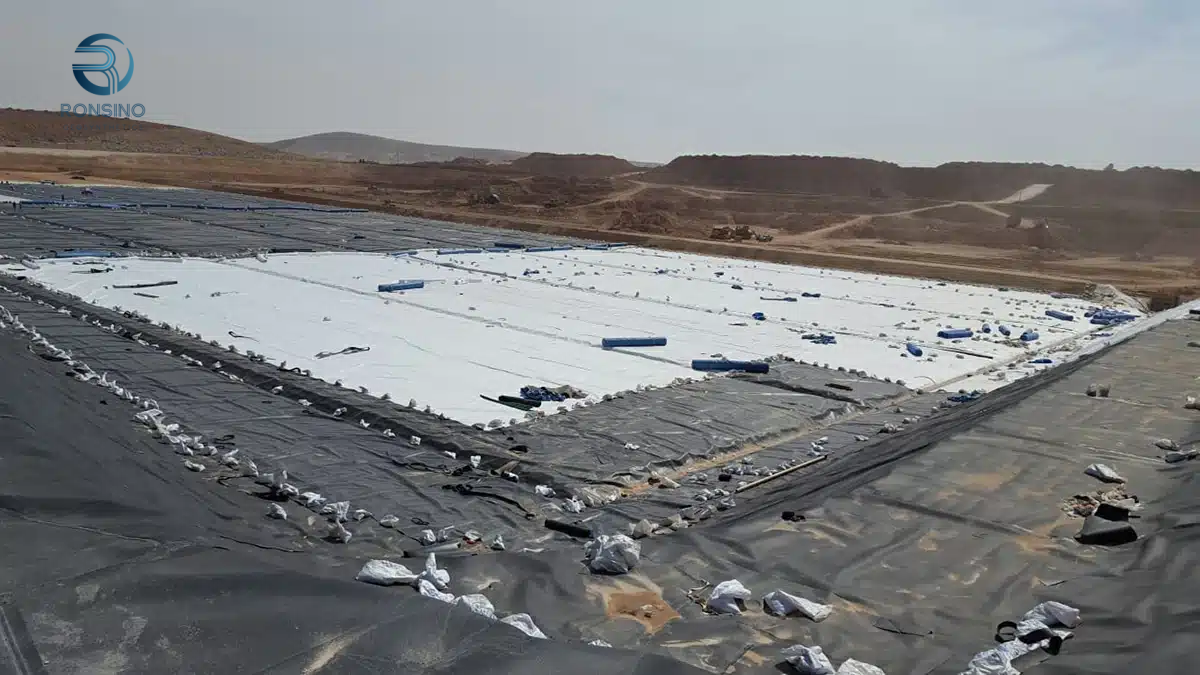
7. HDPE Pond Liner For Landfills – Cost-Effectiveness Over the Long Term
7.1 The Challenge:
Establishing a landfill facility demands a substantial financial commitment. Although the initial expense of the liner system is notable, the overall expenditure encompasses installation expenses, sustained operational efficacy, environmental risk mitigation, and long-term maintenance obligations. An economically inferior liner that experiences early malfunction would result in exorbitantly detrimental financial repercussions.
7.2 HDPE’s Superpower:
HDPE geomembranes offer outstanding lifecycle value:
7.3 Durability Pays Off:
These containers exhibit remarkable durability when correctly installed and safeguarded, ensuring optimal performance throughout the mandated storage duration. This reliability prevents the exorbitant financial repercussions associated with liner breakdowns and subsequent aquifer contamination, thereby eliminating the need for costly remedial interventions.
Efficient Implementation: Standardized installation protocols and advanced welding methodologies, though dependent on proficient labor forces, represent proven and streamlined approaches suitable for expansive undertakings.
Material Optimization: In contrast to the substantial compacted clay strata necessary to attain minimal permeability independently, HDPE delivers an enhanced protective barrier within a significantly reduced cross-section, frequently diminishing excavation volumes. Contemporary composite barrier arrangements (HDPE integrated with CCL) effectively combine the inherent advantages of each constituent.
Risk Management: The durability of high-density polyethylene substantially diminishes the prolonged fiscal and ecological hazards linked to the maintenance and finalization of waste disposal sites.
8. How to Properly Install HDPE Pond Liner For Landfills
Though high-density polyethylene offers numerous outstanding properties, its reliable functionality depends entirely on several critical factors:
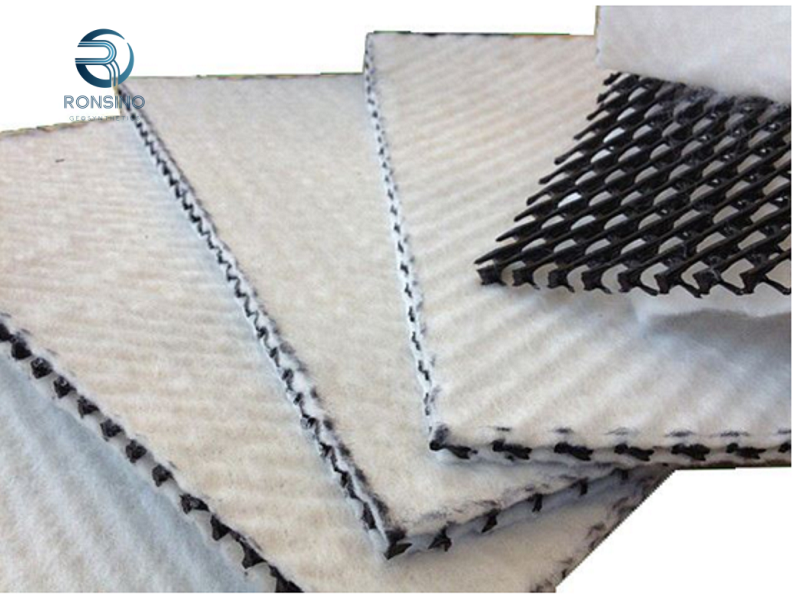
Impeccable Subgrade Construction: A flawlessly even, firmly compressed, uniformly supported, and utterly clean base is absolutely essential. Geotextile safeguard membranes are frequently incorporated for enhanced protection.
Specialized Installation & Precision Welding:Engaging certified technicians with validated instruments and implementing rigorous quality assurance/quality control (QA/QC) protocols is mandatory. Seam validation remains a paramount concern.
Advanced Protective Barriers:Overlaying the liner, a sophisticated drainage network (leachate management system) and reinforced safeguard (geotextile, engineered soil) fortify it against potential harm throughout waste emplacement and consolidation.
Superior Material Selection:Procuring high-density polyethylene (HDPE) geomembrane from distinguished vendors compliant with global benchmarks (e.g., GRI GM13, ASTM) is indispensable.
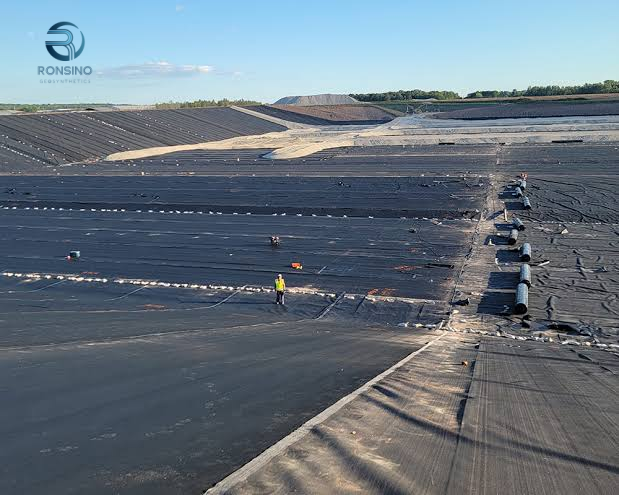
9. Conclusion
Within the realm of landfill infrastructure, HDPE geomembrane transcends its basic function as a simple "pond lining" material. It represents a meticulously engineered, high-performance barrier system, distinguished by a suite of superior attributes—including unparalleled chemical inertness, exceptional resilience and service life, virtually impermeable characteristics, robust tensile strength, dependable seaming performance, adaptability to site conditions, and enduring economic viability—which collectively establish it as the critical safeguard against the multifaceted demands of modern waste containment protocols. Its extensive deployment across global landfill sites attests to its indispensable contribution to sustainable waste stewardship. Where the preservation of subsurface water resources and soil integrity for posterity is paramount, the formidable capabilities of HDPE geomembrane furnish the fundamental prerequisite for designing and operating landfills that ensure long-term ecological security. The allocation of resources toward premium-grade HDPE geomembrane, coupled with its expert installation, constitutes a strategic commitment to perpetual environmental preservation. For further details, please reach out to RONSINO Geosynthetics.
The Challenge: Landfill leachate constitutes a highly hazardous solution. As liquid seeps through decaying refuse, it absorbs an extensive mixture of pollutants, including corrosive acids, alkaline substances, volatile solvents, toxic heavy metals, soluble salts, complex organic compounds, and harmful microorganisms. A barrier system must endure deterioration caused by this noxious chemical amalgamation for numerous years.
HDPE’s Remarkable Durability: High-density polyethylene exhibits extraordinary chemical inertness. Its non-polar molecular composition ensures exceptional resistance to a wide array of chemicals prevalent in leachate. Distinguishing it from numerous alternative polymers, HDPE neither expands, dissolves, nor experiences substantial deterioration upon contact with aggressive acidic, alkaline, alcoholic, or oxidizing substances. This unparalleled stability is critical in averting liner breaches and the subsequent contamination of underlying soil strata and aquifer systems. Rigorous testing protocols, including those outlined in EPA Method 9090, consistently validate HDPE’s outstanding resilience and performance.
2. HDPE Pond Liner For Landfills – Exceptional Durability & Longevity
2.1 The Challenge:
As a long-term storage facility, landfills still require environmental protection measures that last for decades or even more than a century even after they are decommissioned. Its impermeable layer must withstand persistent pressure, external environmental erosion and possible settlement effects without significant deterioration in performance.
2.2 HDPE’s Superpower:
HDPE geomembranes are designed for extreme longevity. Key factors contributing to this:
UV Resistance: Engineered with premium-grade carbon black (concentrated at 2-3%), HDPE liners demonstrate exceptional resilience against photochemical degradation induced by prolonged solar exposure, ensuring structural integrity throughout the vulnerable installation phase and prior to final protective capping.
Superior Crack Resistance in Stress Environments (SCR): Premium-grade high-density polyethylene (HDPE) compositions demonstrate outstanding resistance to stress-induced cracking, as validated through established methodologies such as the Notched Constant Tensile Load Test (NCTL). This characteristic effectively inhibits the initiation and advancement of fissures under sustained mechanical stress, representing a pivotal vulnerability in geosynthetic liner systems.
Biological Resistance: HDPE exhibits exceptional resistance to decay, fungal colonization, and damage from rodents or insects, factors that frequently compromise natural materials.
Material Integrity: Produced with stringent adherence to established protocols (ASTM, GRI), HDPE geomembranes demonstrate uniform composition and lack imperfections that might lead to structural weaknesses.
3. HDPE Pond Liner For Landfills – Very Low Permeability
The primary objective of a landfill barrier system is to impede the movement of contaminated fluids beyond the designated waste disposal zone. Even the most minimal seepage occurring across extensive regions and prolonged periods may result in substantial ecological harm.
HDPE’s Remarkable Barrier Capabilities:
HDPE geomembranes exhibit an extraordinarily low permeability rating, generally registering around 1 x 10-13 cm/s or even less. This characteristic ensures that moisture vapor migration through the unbreached material is virtually nonexistent. Although joints and puncture points necessitate rigorous sealing protocols, the inherent impermeability of the HDPE membrane itself surpasses that of compacted clay substrates by several orders of magnitude. It functions as an almost absolute hydraulic containment system.
4. HDPE Pond Liner For Landfills – High Strength & Puncture Resistance
4.1 The Challenge:
The construction and operation of landfills are in harsh environments. Laying the impermeable layer requires heavy equipment working on the surface. The accumulation of waste exerts enormous pressure. Sharp objects in the waste pose a puncture risk. The impermeable layer must withstand these physical challenges.
4.2 HDPE’s Superpower:
HDPE geomembranes exhibit excellent tensile strength, tear resistance, and puncture resistance. Their key characteristics include:
Tensile strength: Measured in both the machine direction and transverse direction, this material demonstrates significant yield strength and tensile strength.
Puncture Strength: Tested according to standards such as ASTM D4833/D4883, this simulates the pressure required for a probe or gravel to penetrate the liner. High-density polyethylene (HDPE) liners (widely used in landfills) exhibit excellent puncture resistance due to their thickness.
Tear Strength: ASTM D1004 (trouser tear test) and D5884 (constant traction rate tear test) are used to evaluate a material's resistance to tearing forces. HDPE materials perform excellently in this indicator.
Impact Resistance: This material effectively absorbs impact energy without breaking, exhibiting significant impact resistance.
5. HDPE Pond Liner For Landfills – Proven Seam Integrity & Weldability
The Challenge: Landfill containment systems span vast areas, necessitating the seamless integration of numerous individual sections. The durability of these connections is absolutely critical, as any compromise in the bond represents a significant vulnerability. The chosen bonding technique must be exceptionally dependable, validated through extensive practical application, and capable of straightforward inspection.
HDPE’s Superpower: HDPE exhibits remarkable compatibility with thermal fusion welding, establishing it as the benchmark method for producing unified, impervious joints. Approved approaches encompass:
Double Hot Wedge Bonding: Simultaneously forms two adjacent fused lines, incorporating an integrated conduit to facilitate nondestructive examination (NDE).
Extrusion Fusion: Primarily employed for intricate geometric configurations, localized reinforcements, and structural refurbishments.
Quality Assurance: All bonded interfaces undergo comprehensive scrutiny through both destructive evaluation (adhesion, tensile assessments) and dependable nondestructive techniques (including pressurized air validation within the conduit and vacuum chamber analysis). This ensures near-total confirmation of interface uniformity throughout the entire containment system.
6. HDPE Pond Liner For Landfills – Flexibility & Conformance
The Issue: The soil base supporting a landfill's protective barrier (subgrade) seldom exhibits uniformity or complete stability. It is prone to irregular subsidence as time progresses. The barrier must adapt to the irregular contours of the foundation, avoiding the creation of unsupported gaps (bridging) or the concentration of undue pressure that may result in perforations or ruptures.
HDPE’s Remarkable Resilience: Exhibiting exceptional durability, HDPE geomembranes demonstrate remarkable pliability, enabling them to adapt seamlessly to meticulously prepared foundation surfaces. Their inherent elasticity allows them to endure slight ground subsidence without compromising structural integrity. This adaptability proves indispensable during deployment, as the impermeable barrier must gracefully conform to irregular terrain and fit within collection zones without developing permanent deformations or experiencing undue strain. Ensuring a flawlessly leveled and densely compacted base is paramount to fully harnessing this advantageous characteristic.
7. HDPE Pond Liner For Landfills – Cost-Effectiveness Over the Long Term
7.1 The Challenge:
Establishing a landfill facility demands a substantial financial commitment. Although the initial expense of the liner system is notable, the overall expenditure encompasses installation expenses, sustained operational efficacy, environmental risk mitigation, and long-term maintenance obligations. An economically inferior liner that experiences early malfunction would result in exorbitantly detrimental financial repercussions.
7.2 HDPE’s Superpower:
HDPE geomembranes offer outstanding lifecycle value:
7.3 Durability Pays Off:
These containers exhibit remarkable durability when correctly installed and safeguarded, ensuring optimal performance throughout the mandated storage duration. This reliability prevents the exorbitant financial repercussions associated with liner breakdowns and subsequent aquifer contamination, thereby eliminating the need for costly remedial interventions.
Efficient Implementation: Standardized installation protocols and advanced welding methodologies, though dependent on proficient labor forces, represent proven and streamlined approaches suitable for expansive undertakings.
Material Optimization: In contrast to the substantial compacted clay strata necessary to attain minimal permeability independently, HDPE delivers an enhanced protective barrier within a significantly reduced cross-section, frequently diminishing excavation volumes. Contemporary composite barrier arrangements (HDPE integrated with CCL) effectively combine the inherent advantages of each constituent.
Risk Management: The durability of high-density polyethylene substantially diminishes the prolonged fiscal and ecological hazards linked to the maintenance and finalization of waste disposal sites.
8. How to Properly Install HDPE Pond Liner For Landfills
Though high-density polyethylene offers numerous outstanding properties, its reliable functionality depends entirely on several critical factors:
Impeccable Subgrade Construction: A flawlessly even, firmly compressed, uniformly supported, and utterly clean base is absolutely essential. Geotextile safeguard membranes are frequently incorporated for enhanced protection.
Specialized Installation & Precision Welding:Engaging certified technicians with validated instruments and implementing rigorous quality assurance/quality control (QA/QC) protocols is mandatory. Seam validation remains a paramount concern.
Advanced Protective Barriers:Overlaying the liner, a sophisticated drainage network (leachate management system) and reinforced safeguard (geotextile, engineered soil) fortify it against potential harm throughout waste emplacement and consolidation.
Superior Material Selection:Procuring high-density polyethylene (HDPE) geomembrane from distinguished vendors compliant with global benchmarks (e.g., GRI GM13, ASTM) is indispensable.
9. Conclusion
Within the realm of landfill infrastructure, HDPE geomembrane transcends its basic function as a simple "pond lining" material. It represents a meticulously engineered, high-performance barrier system, distinguished by a suite of superior attributes—including unparalleled chemical inertness, exceptional resilience and service life, virtually impermeable characteristics, robust tensile strength, dependable seaming performance, adaptability to site conditions, and enduring economic viability—which collectively establish it as the critical safeguard against the multifaceted demands of modern waste containment protocols. Its extensive deployment across global landfill sites attests to its indispensable contribution to sustainable waste stewardship. Where the preservation of subsurface water resources and soil integrity for posterity is paramount, the formidable capabilities of HDPE geomembrane furnish the fundamental prerequisite for designing and operating landfills that ensure long-term ecological security. The allocation of resources toward premium-grade HDPE geomembrane, coupled with its expert installation, constitutes a strategic commitment to perpetual environmental preservation. For further details, please reach out to RONSINO Geosynthetics.