An In-Depth Analysis of the Top Seven Geonet Suppliers
Blog · 2026-11-17 · 0 views
In modern geotechnical, civil, and environmental engineering, the efficient control of subsurface fluids and the preservation of structural integrity are of critical importance. High-density polyethylene (HDPE) geonets and composite drainage systems have superseded traditional aggregate-based solutions, offering superior compressive strength, chemical inertness, and stable fluid-conveyance capacity even under intense stress. From the management of landfill leachate to slope stabilization, the choice of a reliable geonet manufacturer directly influences operational efficiency, regulatory compliance, and the overall cost of a project.
To support engineers, contractors, and procurement specialists in sourcing superior materials customized to their unique project specifications, this extensive review examines the top 7 Geonet Manufacturers worldwide, analyzing their technical capabilities, product specialization, and competitive market advantages.
1. What is Geonet?
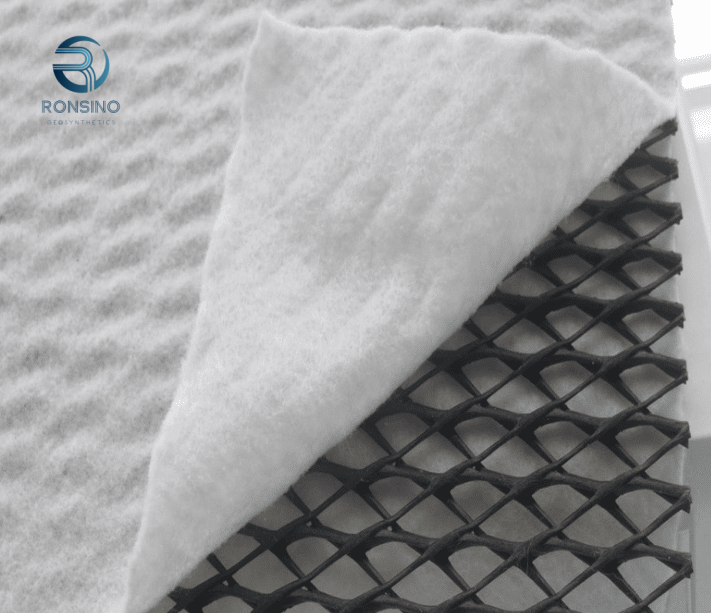
High-density polyethylene (HDPE) geonets—often referred to as polymer geonets—are planar engineering structures manufactured from high-quality HDPE polymer using an advanced extrusion process. Their robust mesh configuration offers exceptional load-bearing capacity and geometric integrity. To prevent fine particles from infiltrating drainage channels, a non-woven geotextile can be bonded to one or both sides, creating a multifunctional composite geosynthetic material. This composite is highly effective at conveying fluids or gases while providing superior filtration, separation, and reinforcement, making it suitable for a wide range of infrastructure and environmental engineering applications.
2. What are the Main Types of Geonet?
Geosynthetic nets are differentiated based on their structural framework patterns, material composition amalgamations, and standardized designations according to global engineering specifications.
2.1 Classification by Rib Structure & Geometry
2.1.1 Bi-Planar (Two-Rib) Geonets:
Composed of two sets of interwoven polymer struts, this structure forms a diamond or lattice pattern. Its diagonal conduit design ensures the uniform, omnidirectional distribution of fluid across the entire surface. Such structures are particularly well-suited for moderate vertical loads, for applications such as subgrade drainage or shallow slope stabilization systems.
2.1.2 Tri-Planar (Three-Rib) Geonets:
The design incorporates robust longitudinal core ribs aligned with the direction of fluid flow, supplemented by transverse ribs positioned above and below. This structure significantly enhances the material's vertical compressive strength and, under conditions of extensive backfilling or heavy earth loads, effectively prevents adjacent geotextile layers from encroaching into the fluid channels.
2.2 Composite Integration (Composite Drainage Nets)
2.2.1 Single-Sided Geocomposites:
A geonet core that has been heat-bonded to a polypropylene (PP) staple-fiber or continuous filament nonwoven geotextile on a single surface. This configuration functions as a unidirectional filtration medium, effectively blocking the ingress of fine soil particles to ensure the channels remain unobstructed.
2.2.2 Double-Sided Geocomposites:
Geotextiles integrated onto both the upper and lower layers of the material. This arrangement establishes two-directional permeability, enhances uniform stress dispersion, and functions as a robust shield to safeguard vulnerable geomembranes from potential damage caused by sharp-edged debris or uneven terrain features.
2.3 National Standard Classification (GB/T 19470-2004)
Under the Chinese national standard GB/T 19470-2004, plastic geonets are divided into three standard designations based on their primary structural role
3. Geonet Function & Key Performance Characteristics
High-density polyethylene (HDPE) geonets serve a dual purpose within modern synthetic isolation systems, acting as both efficient hydraulic conduits and structural protective buffers. Their core functions are systematically categorized based on four primary operational mechanisms:
3.1 In-Plane Liquid Drainage
The primary load-bearing framework forms a porous lattice, enabling continuous lateral fluid permeability. This structure allows unimpeded circulation of liquids—including effluent, subsurface moisture, or stormwater—under substantial earth cover and stress, preventing excessive fluid pressure accumulation behind embankments or beneath impermeable barriers.
3.2 Gas Venting & Dissipation
Within waste management barriers, the gradual breakdown of biodegradable materials or inherent organic substrates consistently emits gaseous byproducts, including methane, carbon dioxide, and hydrogen sulfide. Geonets function as specialized gas drainage and venting interfaces installed atop primary liners, effectively conveying accumulated gases toward edge outlets to avert membrane deformation or structural compromise caused by excessive pneumatic stress.
3.3 Mechanical Geomembrane Protection & Stress Attenuation
When incorporated into multi-layered barrier systems, the geonet serves as a protective intermediary for the watertight geomembrane, shielding it from localized pressure points, surface wear, and angular subgrade materials. Through its ability to absorb downward compressive forces and evenly spread transverse stresses throughout its inflexible framework, it mitigates the risks of piercing and stress-induced fracturing that may occur during placement and compaction activities.
3.4 Soil Filtration & Clogging Prevention (Geocomposite Integration)
In conjunction with nonwoven needle-punched or thermally bonded geotextiles, the geotextile element functions as a discriminative filtering medium. This structure facilitates the passage of liquids into the geonet’s central section while simultaneously inhibiting the ingress of minuscule soil particles, thereby averting internal obstruction and maintaining sustained hydraulic conductivity throughout the entire intended service lifespan of the engineering project.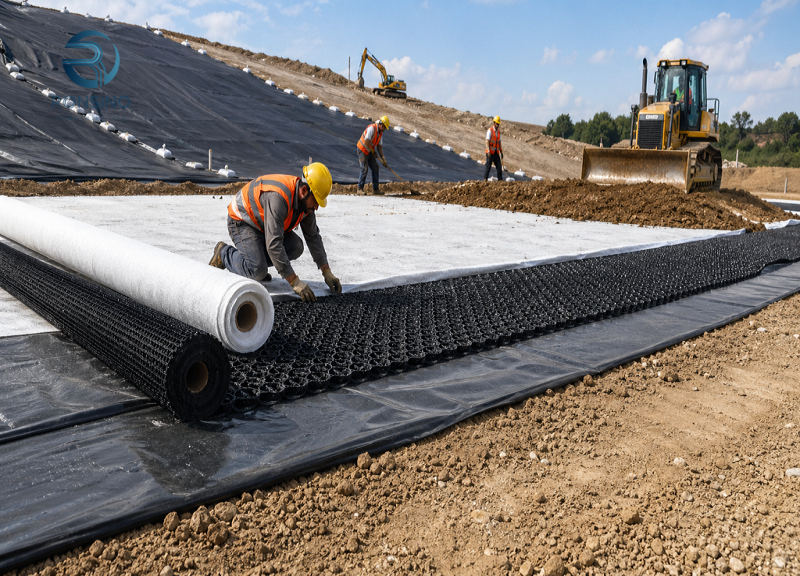
4. Geonet Applications
Owing to its remarkable chemical durability, superior load-bearing capabilities, and exceptional unidirectional fluid conveyance efficiency, HDPE geonet finds extensive application in pivotal fields such as geotechnical infrastructure, municipal construction, and ecological engineering disciplines.
4.1 Landfill Containment Systems (Lining & Capping)
4.1.1 Leachate Collection & Removal (LCR):
Placed immediately atop foundational geomembranes within landfill substructures, geonets facilitate swift conveyance of toxic leachate fluids to collection sumps, all while sustaining substantial overlying refuse pressures.
4.1.2 Leak Detection Systems (LDS):
Positioned atop the primary and underlying secondary liners, geonets function as advanced surveillance strata, enabling real-time detection, containment, and directed conveyance of any seepage permeating the overlying impermeable membrane.
4.1.3 Final Cover & Capping Systems:
landfill closure systems integrate drainage layers to lower pore water pressure, thereby reducing the risk of soil mass movement on slopes.
4.2 Mining & Industrial Containment
4.2.1 Tailings Ponds & Heap Leach Pads:
Withstands aggressive acidic and alkaline chemical agents employed within mineral processing operations, ensuring sustained liquid permeation amid substantial heap compression forces.
4.2.2 Secondary Containment Facilities:
Serves as a fundamental subterranean drainage and permeation-monitoring safeguard within hydrocarbon reservoirs, chemical storage facilities, and industrial containment areas.
4.3 Transportation & Infrastructure Drainage
4.3.1 Roadway Sub-Base & Railway Ballast:
Enhances the drainage capacity of foundation soils to alleviate frost heaving, soil softening, and pumping effects induced by substantial repetitive vehicular loading.
4.3.2 Bridge Abutments & Retaining Walls:
Positioned immediately adjacent to earth-supporting systems, these installations effectively counterbalance lateral fluid forces and mitigate risks of structural failure or surface deformation.
4.4 Tunnels & Underground Engineering
4.4.1 Tunnel Lining Systems:
Positioned within the exterior concrete primary structural components and beneath the inner waterproofing layers, this system effectively captures and directs infiltrated subsurface moisture, guiding it securely to the surrounding perimeter collection channels.
4.4.2 Basement & Foundation Drainage:
Functions as an upward moisture barrier adjacent to basement perimeters to obstruct subsurface water penetration below ground level constructions.
4.5 Slope Drainage & Erosion Control
4.5.1 Slope Seepage Management:
These systems are deployed around excavated terrain, fill projects, and water storage facilities to obstruct the flow of groundwater, thereby preventing landslides and soil erosion.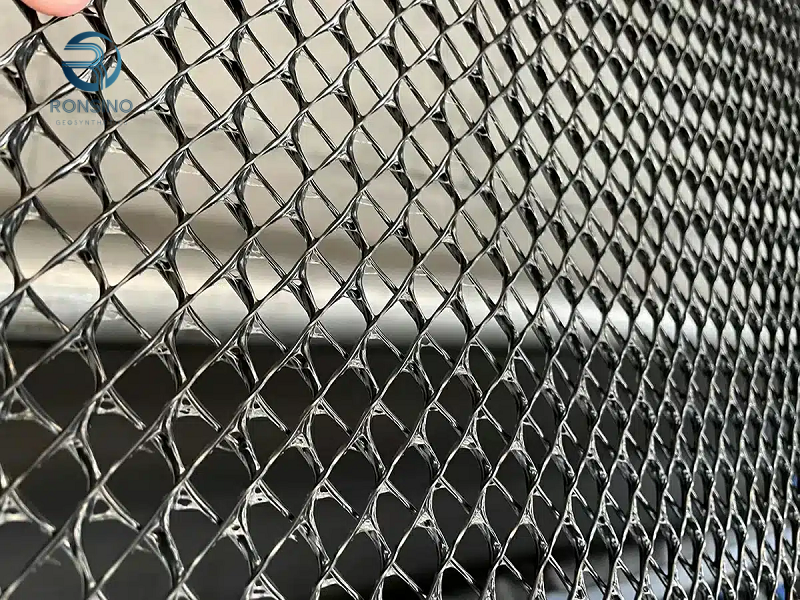
According to GB/T 19470-2004, the key technical parameters for plastic geonets and composite drainage nets are as follows:
5.1 Plastic Geonet (DN type)
Physical characteristics such as depth, resistance to elongation, and permeability differ based on specific requirements. For the DN1 classification, standard measurements are as follows: depth of at least 5.0 millimeters, resistance to elongation not below 13.0 kilonewtons per meter, and permeability no less than 1.2×10⁻³ square meters per second. Various depth ranges, for instance, between 5.0 and 8.0 millimeters, are associated with distinct ratings for tensile resistance and fluid conveyance capabilities.
5.2 Composite Drainage Net
Key evaluation parameters include: minimum thickness (6.0-10.0 mm, depending on material classification), ultimate tensile strength (≥16.0 kN/m), bonding properties (interface between geonet substrate and nonwoven geotextile ≥0.3 kN/m), and hydraulic conductivity (≤1.2×10⁻⁴ m2/sec).
Based on the national standard GB/T 19470-2004, the subsequent table illustrates a detailed evaluation of critical technical specifications for DN-type plastic geonets, categorized by their respective thickness classifications. The reported transmissivity data was obtained under standardized test conditions, specifically applying a vertical pressure of 500 kPa and maintaining a hydraulic gradient of 0.1 throughout the measurement process.
Note: The determination of the permeability coefficient was completed under the conditions of a normal stress of 500 kPa and a hydraulic gradient of 0.1. The standard specification clearly states that materials of different thickness levels have specific tensile strength and permeability coefficient performance indicators. However, in the search results, the data in the relevant parameter tables is incomplete. To ensure the most accurate and detailed technical parameters, it is recommended to consult the official documentation of the standard directly.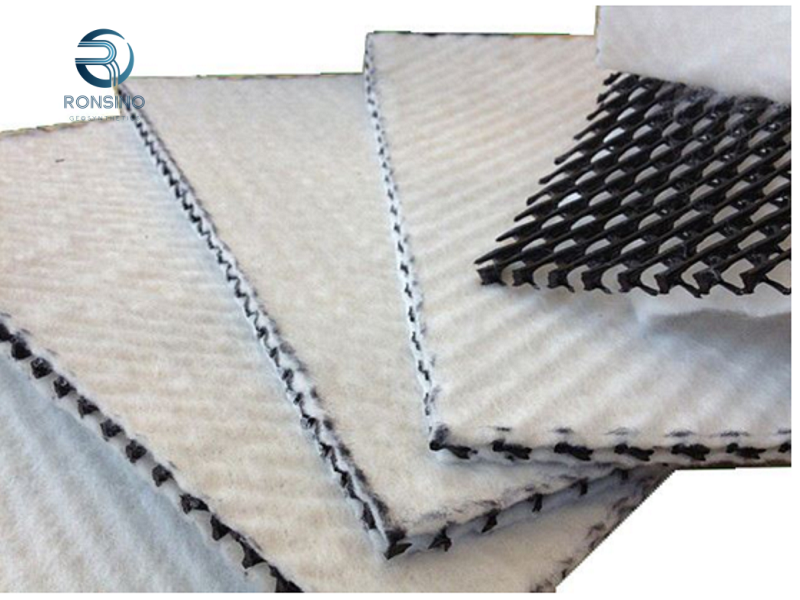
6. The 7 Best Geonet Manufacturers Reviewed
6.1 Sika-geonet manufacturer
A global leader in construction chemicals and geosynthetics.
- Strengths: Extensive R&D resources, global distribution network, and strong technical support capabilities.
- Weaknesses: A premium pricing strategy may not be suitable for projects with limited budgets; the product range is broad rather than specifically tailored for geonet applications.
6.2 Solmax-geonet manufacturer
A major player in geosynthetic solutions with a strong global presence.
- Strengths: Extensive array of offerings, stringent oversight mechanisms, and established history in handling extensive waste disposal initiatives.
- Weaknesses: Somewhat limited customization options for smaller projects; longer lead times for non-standard specifications.
6.3 NAUE-geonet manufacturer
A German manufacturer renowned for precision engineering and high-quality geosynthetics.
- Strengths: German craftsmanship ensures excellent precision, reliability and durability, and strict quality control systems control the entire process from raw material procurement to final inspection; cutting-edge formulas and special additives significantly improve UV resistance and effectively resist biodegradation; professional technical support and continuous professional guidance are seamlessly integrated into each stage of the project.
- Weaknesses: Higher cost position; primarily focused on European markets.
6.4 Ten Cate Geosynthetics-geonet manufacturer
A well-established global supplier with strong brand recognition.
- Strengths: Global exposure across diverse markets, stringent validation methodologies, and established long-term reliability of our offerings.
- Weaknesses: Corporate restructuring may affect consistency; premium pricing structure.
6.5 AGRU America-geonet manufacturer
A leading manufacturer of geosynthetic products for environmental applications.
- Strengths:Extensive proficiency in waste management and resource extraction sectors; robust technical assistance; superior production quality adhering to stringent U.S. industrial benchmarks.
- Weaknesses: Limited product customization flexibility; higher price point.
6.6 Maccaferri-geonet manufacturer
An Italian company with a long history in geosynthetics and civil engineering solutions.
- Strengths: Strong engineering heritage, comprehensive project support, and proven applications in challenging terrains.
- Weakness: Less focused specifically on geonet products compared to core erosion control lines.
6.7 RONSINO Geosynthetics - China Geonet Manufacturer
Founded in 2010 within Taian City, located in Shandong Province, China, RONSINO Geosynthetics has developed into a specialized entity dedicated to the production and global distribution of geosynthetic products.
6.7.1 Product Excellence:
RONSINO Geosynthetics offers a comprehensive range of HDPE geonets with core thicknesses from 5mm to 10mm, tensile strength ≥8 kN/m, and excellent flow rates (≥3.0 L/m·s under gradient 1.0).
- Quality Assurance: Products comply with ASTM and international standards, ensuring reliable performance in landfill liners, retaining walls, and tunnel drainage systems.
- Versatility: Provides bi-planar and tri-planar structures, composite geonets with one or two layers of non-woven geotextile, and customizable specifications to meet specific project needs.
- Chemical & UV Resistance: HDPE material ensures long-term stability under aging, weathering, and aggressive chemical conditions.
- Cost-Effective: Lightweight design reduces transportation and installation costs compared to traditional gravel drainage systems.
- Global Reach: Products are exported to international markets with responsive after-sales technical support.
6.7.2 Weakness:
As a leading enterprise originating from China, RONSINO Geosynthetics has consistently demonstrated reliability and excellence since its inception in 2010, earning recognition from global partners who may initially seek supplementary validation to ensure compliance with stringent international standards.
Should you require details, cost information, or technical data regarding the geonet manufactured by The Premier Project Material Co., Ltd. (RONSINO Geosynthetics), do not hesitate to connect with our dedicated sales representatives. We are eager to explore how our innovative solutions can align with your specific project needs. Get in touch with us now to receive a highly advantageous pricing proposal!