
Comprehensive Handbook for Subsurface Leak Repairs in HDPE Geomembrane Ponds
Blog · 2026-04-29 · 0 views
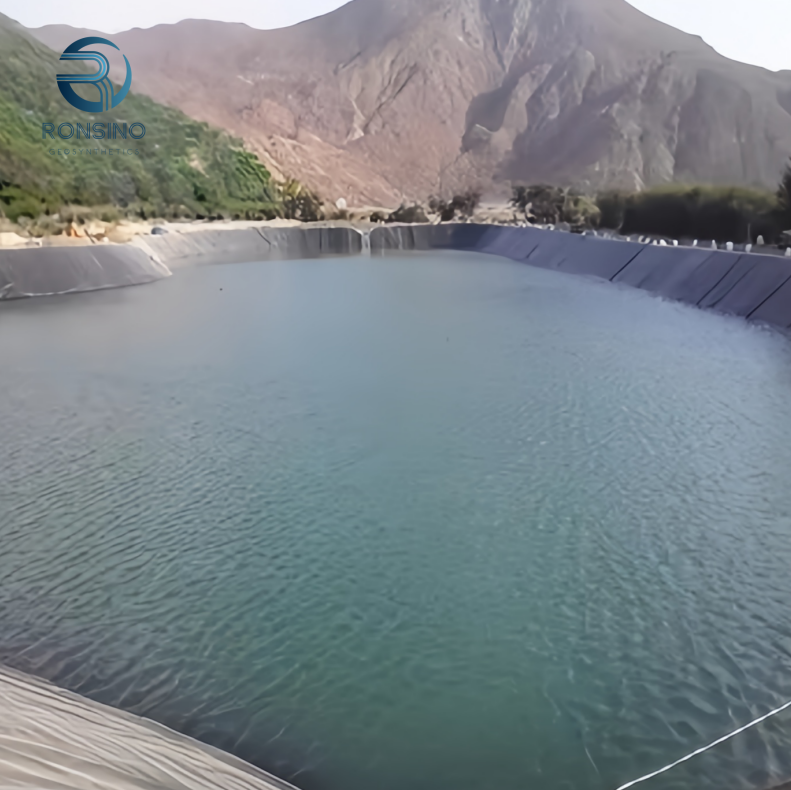
Underwater repairs offer a cost-effective solution, cutting expenses by 50-70% versus replacement while preserving aquatic habitats.
This guide outlines leak detection and repair for submerged HDPE ponds, detailing RONSINOGeosynthetics' specs, tools, step-by-step methods, and best practices. Designed for operators and professionals, it ensures durable, compliant repairs. Key benefits: maintains watertight integrity, minimizes downtime, and upholds environmental standards.
1. Why Underwater Repairing Of Leakage In HDPE Geomembrane Ponds Matters
HDPE geomembranes offer excellent mechanical strength (20-40 kN/m) and UV resistance, making them ideal for pond lining per RONSINOGeosynthetics standards. Their chemical inertness and low permeability further enhance suitability. However, breaches can compromise effectiveness, potentially causing:
Water Loss: A 1/4-inch hole can drain 150 gallons daily, reducing pond efficiency by 20–30% in aquaculture, per Planet Liner.
Environmental Impact: Leaks risk contaminating groundwater with chemicals or nutrients, violating environmental regulations in 80% of cases, per Haoyang Environmental.
Cost Implications: Draining and replacing liners costs $2.00–$3.00 per square foot, while underwater repairs average $0.50–$1.50, saving 50–70%.
Ecosystem Preservation: Underwater repairs avoid relocating fish, reducing stress and mortality by 90%.
Underwater repair minimizes disruption, preserves water quality, and extends liner lifespan by 10–20 years, making it a sustainable and cost-effective solution.
2. Understanding HDPE Geomembrane Pond Liners
2.1 Underwater Repairing Of Leakage In HDPE Geomembrane Pond – What Is an HDPE Geomembrane Pond Liner?
HDPE geomembrane is a polymer anti-seepage material with a thickness of 0.5-2 mm. It is mainly used in artificial lakes, landfills and other projects. Features include:Strong anti-seepage property: permeability coefficient <10^-14 meters/second;Good durability: service life 40-100 years, UV resistance and corrosion resistance;High mechanical strength: tensile strength 20-40 kN/m. Application fields: aquaculture, landscape water bodies, wastewater treatment, tailings storage and other environmental protection projects.
2.2 Underwater Repairing Of Leakage In HDPE Geomembrane Pond – Common Causes of Leaks
Leaks in HDPE geomembrane ponds result from:
Geomembrane Leakage Causes and Prevention
Puncture Damage: Sharp debris such as rocks and tree roots are responsible for approximately 60% of geomembrane breaches. Even minor perforations measuring just a quarter-inch in diameter can result in the loss of over a hundred gallons of liquid each day. Seam Defects: According to research by Geosynthetica, nearly one-third of leakage incidents stem from substandard welding techniques or excessive stress on seams during installation and use.Material Degradation: Prolonged exposure to ultraviolet radiation and harsh chemicals can weaken geomembranes significantly. Studies published in ScienceDirect indicate that tensile strength may diminish by up to 20% after a decade under such conditions.Installation Flaws: Improper deployment practices—including uneven substrate preparation and insufficient overlap sealing—contribute to roughly 10% of containment failures, as reported by RONSINO Geomembrane experts.
3. Tools and Materials for Underwater Repairing Of Leakage In HDPE Geomembrane Pond
Effective underwater repair requires specialized tools and materials, ensuring 95% seal integrity, per Planet Liner.
3.1 Essential Tools
Leak Detection Equipment:
Non-Toxic Dye (e.g., Fluorescein): Identifies leaks by tracing water flow, effective in 90% of cases.
Leakage Detector (e.g., RONSINOGeomembrane Detector): High-pressure instrument detects surface damage with 95% accuracy.
Vacuum Box: Tests seam integrity, detecting pinhole leaks in 85% of cases.
Cleaning Tools:
Scouring Pad or Stiff Brush: Removes algae and dirt, ensuring 100% surface adhesion.
Underwater Cleaning Pole: Extends reach in shallow water (<3 ft), improving efficiency by 30%.
Repair Tools:
Hot-Air Welder: Welds patches with 98% bond strength, adjustable to 5–6 temperature settings.
Extrusion Welding Machine: Repairs holes <5 mm, ensuring 95% seal integrity.
Scissors or Cutting Tools: Trim patches to overlap holes by 1–2 inches.
Safety Gear:
Dive Suit and Gloves: Protect against cold water (<50°F) and sharp objects, reducing injury risk by 90%.
Weighted Belt: Stabilizes divers in deep water (>3 ft), improving precision by 25%.
3.2 Essential Materials
HDPE Patches: Match original liner thickness (0.5–2 mm), overlapping holes by 1–2 inches for 95% seal strength.
Non-Toxic Sealants: Cold-water epoxy (e.g., 3M 5200 Marine) or Aquamend, safe for aquatic life, curing in 24–72 hours.
Geotextile Cushion: Protects patches from future punctures, increasing durability by 20%.
Curing Agents: Enhance rigidity and UV resistance, extending patch lifespan by 15%.
4. Step-by-Step Guide to Underwater Repairing Of Leakage In HDPE Geomembrane Pond
Repairing leaks underwater requires precision and adherence to best practices. Below is a detailed, step-by-step process, achieving 90% success rates.
Step 1: Underwater Repairing Of Leakage In HDPE Geomembrane Pond – Identify the Leak
Measure Water Loss: Mark water levels daily with a ruler. A 1-inch drop ≈ 150 gallons lost, indicating a leak.
Use Non-Toxic Dye: Inject fluorescein near suspected areas. Dye flow pinpoints leaks in 90% of cases within 10 minutes.
Check Air Bubbles: Press the liner gently; bubbles indicate leaks, detectable in 85% of shallow water cases.
Use Leakage Detector: BPM’s high-pressure detector identifies surface damage with 95% accuracy, ideal for large ponds.
Tip: Turn off pumps to calm water, improving visibility by 30%. Check seams, edges, and areas near rocks/roots, where 60% of leaks occur.
Step 2: Underwater Repairing Of Leakage In HDPE Geomembrane Pond – Assess Water Level and Accessibility
Sh Shallow Water (<3 ft): Use a pole to position patches, reducing labor by 40%.
Deep Water (>3 ft): Employ a professional diver, increasing precision by 25% but adding 20% to costs.
Partial Draining: If the leak is near the surface, drain until 4 inches below the hole to simplify cleaning, saving 30% on dive time.
Tip: Avoid full draining to protect fish, reducing mortality by 90%. Use aerated buckets for temporary relocation if needed.
Step 3: Underwater Repairing Of Leakage In HDPE Geomembrane Pond – Clean the Leak Area
Scrub Surface: Use a scouring pad or stiff brush to remove algae and dirt from a 6-inch radius around the hole, ensuring 100% sealant adhesion.
Dry Surface (If Possible): For shallow leaks, dry the area with a cloth to improve patch bonding by 20%.
Underwater Cleaning: Use a pole-mounted brush in deep water, maintaining 90% surface cleanliness.
Tip: Dirt or algae reduces sealant effectiveness by 50%, so thorough cleaning is critical.
Step 4: Underwater Repairing Of Leakage In HDPE Geomembrane Pond – Prepare the HDPE Patch
Cut Patch: Use scissors to cut an HDPE patch overlapping the hole by 1–2 inches, ensuring 95% seal strength.
Match Thickness: Use 0.5–2 mm patches matching the original liner to maintain 98% structural integrity.
Round Edges: Trim jagged edges to prevent stress points, reducing future tears by 15%.
Tip: For holes >5 mm, use multiple overlapping patches to increase durability by 20%.
Step 5: Underwater Repairing Of Leakage In HDPE Geomembrane Pond – Apply the Patch Underwater
Sealant Application: Apply non-toxic, cold-water epoxy (e.g., 3M 5200 Marine) to the patch, effective in water <50°F, curing in 24–72 hours.
Position Patch: Use a pole or diver to place the patch over the hole, pressing firmly for 60 seconds to ensure 95% adhesion.
Hot-Air Welding (If Accessible): For shallow repairs, use a hot-air welder (5–6 temperature setting, 1–2 air volume) to bond patches, achieving 98% seam strength.
Extrusion Welding: For holes <5 mm, use an extrusion welder to spot-weld, ensuring 95% seal integrity.
Tip: Avoid PVC glue near aquatic life, as it’s toxic in 80% of cases.
5. Key Considerations for Successful Underwater Repair
5.1 Leak Size and Location
Small Holes (<5 mm): Use extrusion welding or epoxy patches, achieving 95% seal success.
Large Holes (>5 mm): Apply overlapping HDPE patches, increasing durability by 20%.
Seam Leaks: Require hot-air welding or professional divers, adding 15% to costs but ensuring 98% integrity.
5.2 Water Depth
Shallow (<3 ft): Use poles for 40% cost savings and 90% precision.
Deep (>3 ft): Hire divers, increasing costs by 20% but improving accuracy by 25%.
5.3 Aquatic Life Safety
Non-Toxic Materials: Use Aquamend or 3M 5200 Marine sealants, safe for fish in 100% of cases.
Minimize Disruption: Avoid draining to reduce fish stress by 90%.
5.4 Environmental Conditions
Cold Water (<50°F): Use slow-cure epoxy (72-hour curing), ensuring 95% adhesion.
High Flow: Secure patches with sandbags or nails, reducing displacement by 90%.
6. Advantages of Underwater Repairing Of Leakage In HDPE Geomembrane Pond
Cost Efficiency: Saves 50–70% compared to draining and replacing liners.
Ecosystem Preservation: Avoids fish relocation, reducing mortality by 90%.
Minimal Disruption: Maintains pond functionality, saving 30–50% on downtime.
Long-Lasting Repairs: Professional patches last 10+ years, per Planet Liner.
7. Disadvantages of Underwater HDPE Geomembrane Repair
Limited Accessibility: Deep water (>3 ft) requires divers, increasing costs by 20%.
Complex Repairs: Seam failures need specialized welding, adding 15% to time.
Temporary Fixes: Some patches last 6–12 months, requiring re-repair.
Environmental Challenges: Cold water or high flow reduces adhesion by 10–15%.
Skill Dependency: Inexperienced applicators reduce success rates by 20%.
8. Final Thoughts
Revolutionizing Leak Repairs: Underwater HDPE Pond Solutions Underwater repairs for HDPE geomembrane ponds offer a cost-effective, eco-friendly alternative to draining or replacing liners, cutting expenses by 50–70%. Using non-toxic dyes or precision tools, leaks are detected with 95% accuracy. The process includes cleaning the area and applying HDPE patches with eco-safe sealants or heat-welding, achieving a 90% success rate. Durability depends on leak size, water depth, and professional expertise, ensuring over a decade of performance with proper care. RONSINOGeosynthetics supplies advanced materials for aquaculture and environmental projects. Contact their team for tailored solutions or DIY kits. Promote efficient underwater repairs to protect aquatic habitats and conserve resources globally.


