The Cost Implications of Installing a Pond Liner
Blog · 2026-10-29 · 0 views
1. Introduction
The process of lining a pond plays a vital role in ensuring the longevity and watertight integrity of the water feature. Irrespective of whether the pond serves as an ornamental garden centerpiece, a commercial aquaculture facility, or an eco-friendly reservoir for water management, the financial outlay for its lining can fluctuate considerably due to a range of variables. This particular analysis delves into a moderately scaled ornamental garden pond initiative to provide a detailed examination of the associated expenses.
2. Pond Liner Installation Cost Project Overview
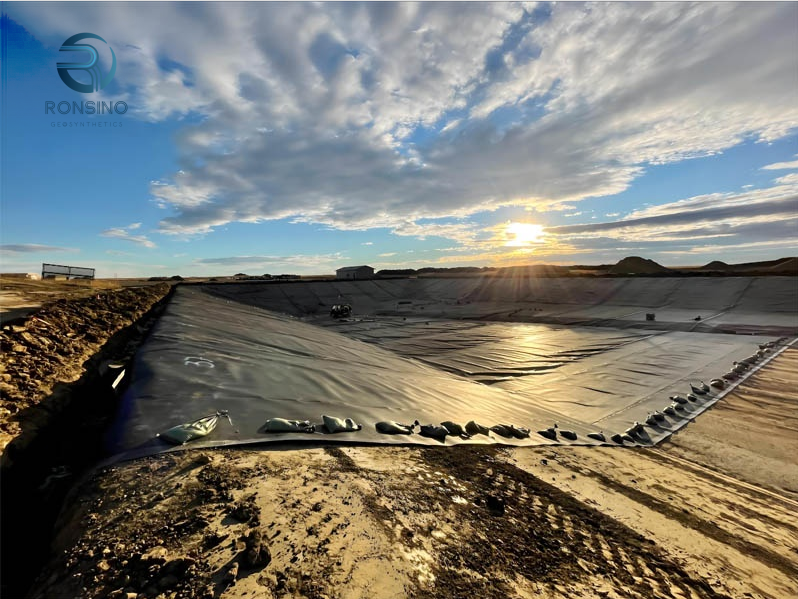
This project involves installing a waterproof membrane in a 100m² residential garden. The water feature has an irregular shape, reaching 1.5 meters deep with a shallow section of 0.5 meters. The client requires a high-quality, durable waterproof solution that withstands local weather conditions and ensures the water feature's permanent structural integrity.
3. Pond Liner Installation Cost Components
3.1 Material Costs
- Pond Liner Material: The client selected an EPDM (pethylene propylene diene monomer) liner for a 100-square-meter water feature. This material is renowned for its exceptional flexibility, durability, and resistance to both UV radiation and chemical corrosion. The total cost for the EPDM liner in this project was approximately $1,500; the unit price typically ranges from $10 to $50 per square meter, depending on the material's thickness and manufacturing standards.
- Underlayment:A protective layer is indispensable to safeguard the pond liner against potential damage from abrasive soil elements. In this particular endeavor, a geotextile underlayment was selected, with an approximate expense of $300. This underlayment serves to uniformly disperse pressure across the surface and mitigate the risk of perforations, thereby enhancing the longevity of the pond liner.
- Edge Treatment Materials: To construct a well-defined and stable perimeter for the water feature, specialized finishing elements like natural boulders or precast concrete units were employed. The financial outlay for the perimeter stones and the necessary bonding adhesive amounted to roughly $500. This approach not only significantly elevates the visual charm of the pond but also effectively secures the underlying membrane against displacement.
3.2 Labor Costs
- Excavation: The initial phase of the project involved ground preparation. A crew of two workers was engaged for a two-day period to excavate the water body to the specified configuration and required depth. The expenses associated with the labor for this earthmoving task amounted to $800, which also covered the utilization of fundamental digging implements.
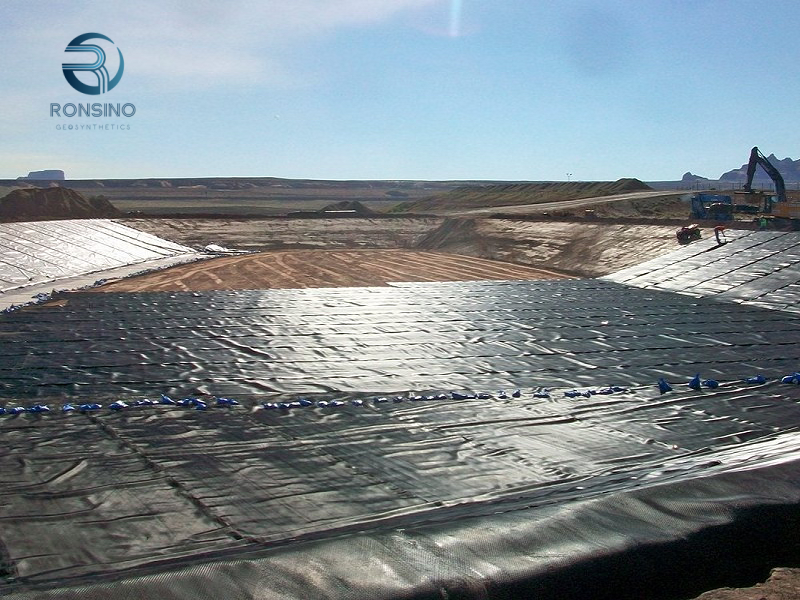
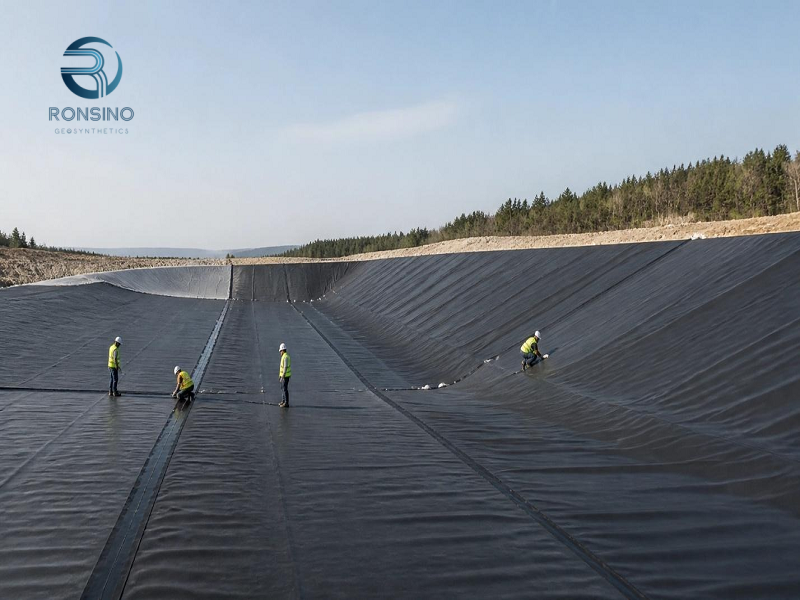
- Liner Installation: Laying the pond liner demands expertise and meticulous attention to detail. To ensure optimal results, a certified specialist was engaged, with the installation labor costing $1,200. The expert verified the liner was correctly aligned, securely fastened at the perimeters, and devoid of any creases or sagging that might compromise the water-tightness.
- Edge Finishing: The edge finishing work, which involved placing the stones and securing them, took one day for a team of two laborers. The labor cost for this part was $400.
3.3 Additional Costs
- Permits and Inspections: The necessity of obtaining official authorization for pond excavation can vary based on regional governing laws. In this particular scenario, a formal permit was procured at a cost of $200, accompanied by an additional $100 assessment charge to verify compliance with established safety protocols and ecological preservation guidelines.
-Equipment Rental: A variety of specialized machinery, including a compact excavator utilized during the excavation phase, was obtained through a rental agreement. The total expense associated with the rental of this equipment amounted to three hundred dollars, covering the entire two-day duration allocated for the excavation work.
4. Factors Affecting Pond Liner Installation Cost Variations
4.1 Pond Size and Shape:
Substantial aquatic environments necessitate greater quantities of resources and workforce involvement, consequently elevating the overall financial expenditure. Ponds featuring unconventional or asymmetrical designs further augment the intricacy of the installation procedure, potentially incurring supplementary fees for manual labor.
4.2 Material Quality:
Higher - quality pond liner materials, such as thicker EPDM or PVC liners with advanced features, are more expensive but offer better durability and performance.
4.3 Location:
The expense associated with workforce remuneration and raw material procurement can fluctuate considerably based on the geographical setting of the construction endeavor. Metropolitan regions typically exhibit elevated wage rates for labor in contrast to their rural counterparts, and logistical expenditures for material conveyance may further contribute to the total financial outlay.
4.4 Site Conditions:
If the site has rocky or uneven soil, additional excavation and preparation work may be required, increasing the labor and material costs.
5. Pond Liner Installation Cost - Saving Strategies
5.1 Material Selection Optimization
5.1.1 Comparative Analysis:
Rather than arbitrarily opting for the most expensive pond liner material, project owners should conduct a thorough comparative assessment. While EPDM (ethylene propylene diene monomer) rubber represents a high-end choice, a PVC (polyvinyl chloride) liner may be sufficient in certain scenarios. PVC liners are generally more cost-effective than EPDM and are particularly well-suited for smaller water features or regions with temperate climates. By carefully evaluating the specific requirements of the pond—including projected water temperature fluctuations, sun exposure, and potential chemical interactions—one can strike an optimal balance between cost and performance.
5.1.2 Bulk Purchasing:
For development projects that incorporate multiple water features—or where the addition of further water elements is a possibility—procuring pond liner materials through wholesale channels can lead to significant cost savings. Suppliers typically offer price incentives for bulk purchases, thereby reducing the unit cost of various components, such as waterproofing membranes, protective layers, and edge reinforcement materials.
5.2 Labor Cost Management
5.2.1 DIY for Simple Tasks:
Certain elements of pond liner setup, including fundamental ground preparation and border treatment using basic supplies, may be undertaken by the homeowner or with assistance from acquaintances provided they possess the required expertise and availability. This approach can decrease the need for external labor services. For instance, eliminating surface obstacles and ensuring the terrain is even prior to the arrival of excavation specialists can reduce the expenses linked to these initial preparations.
5.2.2 Negotiating with Contractors:
Engaging a certified specialist for geomembrane liner deployment and intricate assignments necessitates thorough deliberation on remuneration terms. Project stakeholders ought to solicit comprehensive proposals from various service providers and leverage these estimates as bargaining tools in discussions. Certain contractors might be inclined to present reduced pricing for geo membranes, particularly when the undertaking is uncomplicated or if they seek to establish enduring partnerships with the clientele.
5.3 Minimizing Additional Costs
5.3.1 Permit Research:
Before you begin building a pond, you must thoroughly understand local permitting regulations. Depending on the region, certain types of water feature projects may not require a permit or may have a streamlined application process. Familiarizing yourself with these regulations in advance can avoid unnecessary fees and the expense of mandatory assessments, and ensure that the project meets all specifications from the outset, thereby avoiding costly revisions or fines later on.
5.3.2 Equipment Sharing:
When feasible, think about pooling resources with nearby pond development initiatives to utilize specialized machinery. For instance, if an adjacent landowner intends to excavate a pond during a similar timeframe, you could jointly lease tools and apportion the financial burden. This collaborative approach would substantially diminish individual outlays for apparatus leasing in both undertakings.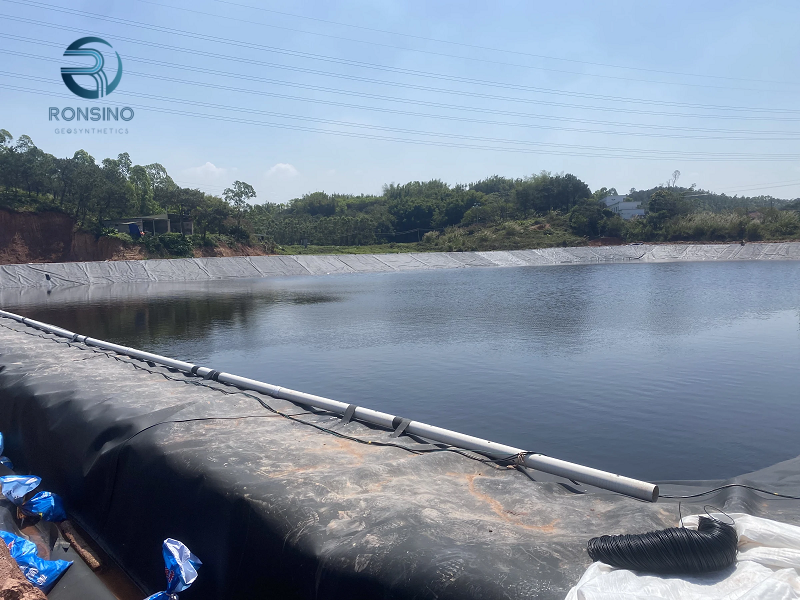
6. Long - Term Pond Liner Installation Cost Considerations
6.1 Maintenance Costs
6.1.1 Material Durability Impact:
The selection of pond lining material plays a crucial role in both the initial setup expenditure and the sustained upkeep expenses over time. Premium options, such as EPDM, exhibit remarkable durability against ultraviolet radiation, chemical degradation, and physical punctures, thereby minimizing the frequency of necessary repairs and substitutions. While these superior alternatives might involve a greater initial investment, they ultimately prove cost-effective by curbing the demands for continuous maintenance and the correlated costs of labor and resources.
6.1.2 Regular Inspection and Cleaning:
Establishing a systematic routine for the periodic examination and maintenance of the pond is crucial for early detection of potential concerns, thereby averting more severe complications and expensive restoration work. For instance, by consistently clearing away accumulated surface litter and thoroughly inspecting the geomembrane lining for any signs of deterioration or leakage each month, it becomes possible to address minor imperfections swiftly, thus eliminating the necessity for comprehensive liner replacement or the detrimental consequences of water seepage.
6.2 Energy Costs
6.2.1 Pump and Filtration System Efficiency:
The pond's pumping and purification mechanisms play a significant role in the pond's ongoing expenses. Selecting a power-saving pump and purification setup can diminish electricity usage throughout the years. Although energy-conserving models might carry a greater upfront cost, the reduction in energy expenditures across the system's operational period can balance out this initial investment. Moreover, accurately matching the pump and purification system to the pond's capacity and needs guarantees peak efficiency and helps minimize energy-related expenses.
To summarize, the financial outlay associated with the deployment of HDPE pond liners is a multifaceted matter, involving immediate expenditures for setup as well as future-oriented fiscal planning. Through a thorough comprehension of the diverse economic factors, the adoption of prudent measures to minimize expenses, and an evaluation of enduring costs, proprietors can adeptly navigate the monetary dimensions of their liner initiatives. This approach enables them to establish an aesthetically pleasing and enduring aquatic feature while adhering to their predetermined financial constraints.
7. Conclusion
The installation cost for a pond liner depends on various factors, such as the type of material used and the complexity of the construction. For a 100-square-meter water feature project, for instance, the total investment would be $5,300. By analyzing the cost breakdown and potential external fluctuations, project managers can develop sound strategies during the planning phase. It is advisable to obtain multiple quotes from reliable professionals and rigorously evaluate the quality of materials to ensure a result that is both durable and cost-effective.
Recommended Pond Liner Solutions from RONSINO Geosynthetics
For professionals needing aquatic containment, RONSINO Geosynthetics provides impermeable geomembrane liners for ornamental gardens, reservoirs, and fluid retention projects. With customizable gauges, widths, finishes, and packaging, we help clients match their project's dimensions, environment, and budget. By evaluating membrane integrity, installation, and long-term maintenance, buyers can make informed decisions and ensure reliable performance. We also offer direct-from-manufacturer options and specialized adaptations for projects of all sizes.