
What Is The Price of HDPE Sheet 500 Micron?
Blog · 2026-06-05 · 0 views
1.What Is a 500 Micron Polythene Sheet?
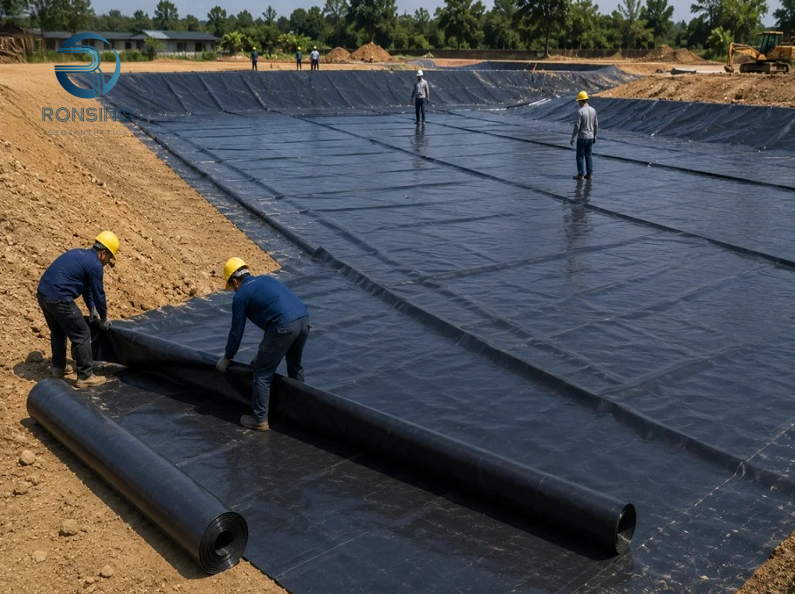
500 micron polyethylene film is a flexible and durable synthetic barrier made from high-pressure polyethylene (mainly low-density polyethylene LDPE) that provides excellent flexibility and water resistance. Its branched molecular structure gives it super elasticity and impact resistance, superior to high-density polyethylene (HDPE). At a precise thickness of 0.5 mm, the material combines lightness with structural integrity and has a mass per unit area of approximately 462.5 g/m2 (based on a standard density of 0.925 g/cm3).
1.1 Key Specifications and Parameters
Polythene sheets at this echelon align with exacting worldwide edicts, vouchsafing reliability across sundry employments. The subsequent outlines cardinal technical gauges, affirmed through ASTM and ISO scrutiny rites:
Thickness: 500 microns (0.5 mm, 20 mil), gauged via ASTM D5199, with a ±5% variance to affirm uniformity and forestall debility.
Density: 0.918–0.925 g/cm³, proffering a muted specific gravity for effortless conveyance while upholding edificial firmness (ASTM D1505).
Tensile Strength: 10–25 MPa in machine direction (MD) and transverse direction (TD), sustaining stresses up to 25 kN/m absent cleavage—suited for elongated placements (ASTM D882).
Elongation at Break: 400–800%, outstripping HDPE’s 100–400%, permitting conformity to jagged terrains sans fissures (ASTM D638).
Puncture Resistance: 300–500 N, defying keen incursions like rubble or rhizomes during emplacement (ASTM D4833).
Tear Strength: 100–150 g/0.001 inch, assuring tenacity in blustery or mechanical strain milieus (ASTM D1922).
Water Vapor Transmission Rate (WVTR): ≤10 g/m²/day, bestowing 90–95% impermeability for containment duties (ASTM E96).
UV Resistance:The material treated with the stabilizer can still maintain 80–90% of its performance vitality after a 1,600-hour xenon arc aging test, thereby extending the outdoor service life to 5–10 years (in compliance with ASTM D4355 standards); while untreated polyethylene exhibits moderate UV resistance, and its weather resistance can be significantly improved by adding 2–3% of auxiliary agents such as carbon black or hindered amine light stabilizers (HALS).
Chemical Resistance: Demonstrating exceptional resistance to diluted acids, alkaline solutions, and hydrocarbon compounds, it exhibits less than 1% corrosion following a 10-hour immersion in 10% hydrochloric acid (ASTM D543 standard). It performs admirably in alcohol and ester environments, achieving outstanding compatibility, while maintaining moderate stability when exposed to aldehydes and various hydrocarbon derivatives.
Roll Dimensions: Ordinarily 4–6 m wide by 50–100 m long, diminishing seams by 10–15% and truncating emplacement time.
Melt Flow Index (MFI): 0.5–2 g/10 min, easing fluid extrusion and fabrication.
Thermal Properties: Melting point 105–115°C, persistent service up to 65°C, brittleness limit -76°C (AZoM, 2024).
These specifications render 500-micron polyethylene films a remarkably versatile material. For instance, during a 2026 agricultural initiative in India, structures adhering to these standards achieved 95% moisture retention, reducing water consumption by 25% (IndiaMart, 2026). Moreover, with a density of 0.92, these membranes are 8% lighter than water, facilitating easier transportation in remote locations.
1.2 Manufacturing Process Overview
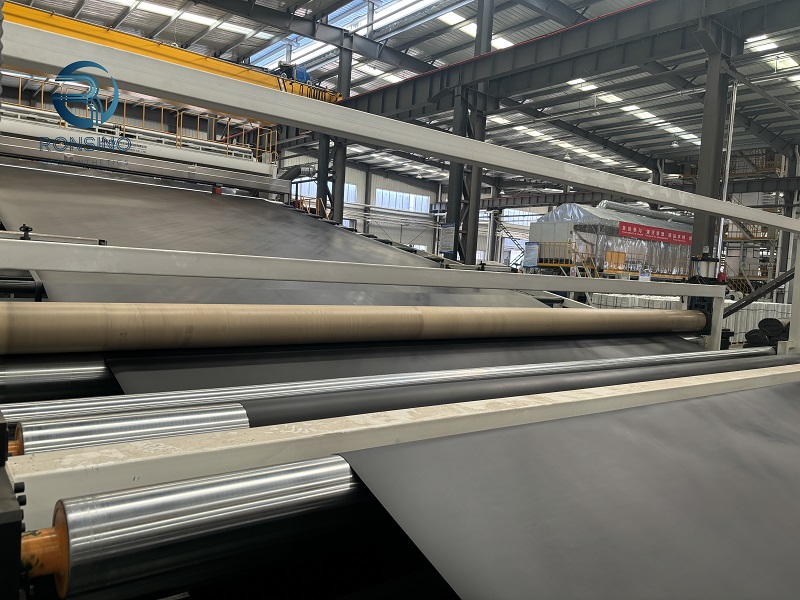
Polyethylene film originates from the high-pressure free radical polymerization of ethylene gas and is made by blown film extrusion (accounting for about 70% of global production in 2026). Ethylene is compressed at 1000–3000 bar and 150–300°C to initiate a branching reaction that gives the material flexibility. The molten polymer passes through an annular die to form bubble tubes, which are then cut into sheets after cooling. Add antioxidants (0.1–0.5%), UV stabilizers (2–3%, such as Tinuvin 494FB or Chimasorb 81) and slip agents (erucamide 0.05–0.2%) during blending to improve surface gloss and processing performance.
This process ensures dimensional accuracy up to ±2 micro-tolerance, but pressure fluctuations may change the branch structure, thereby reducing flexibility by 10-15%. The process has high energy consumption (2-3 kWh per kilogram) and accounts for 5-10% of the finished product cost; according to Synthesized Analytics (2026), catalytic technology advancements have reduced emissions by 15% since 2020. Leading companies such as Shandong Disinnuo New Materials adopt fully automatic production lines to control the defect rate below 0.5%, and achieve full traceability through a batch coding system. After extrusion, the sheet is corona treated to improve ink adhesion, and the surface energy is increased to 38-42 dynes/cm. It is quality inspected according to ISO 9001 standards, including haze (<5%) and falling dart impact test (ASTM D1709, ≥200 grams).
1.3 Common Applications
The malleability of 500 micron polythene sheets spans dominions, where their thrift (10–20% below HDPE counterparts) and conformability preeminence:
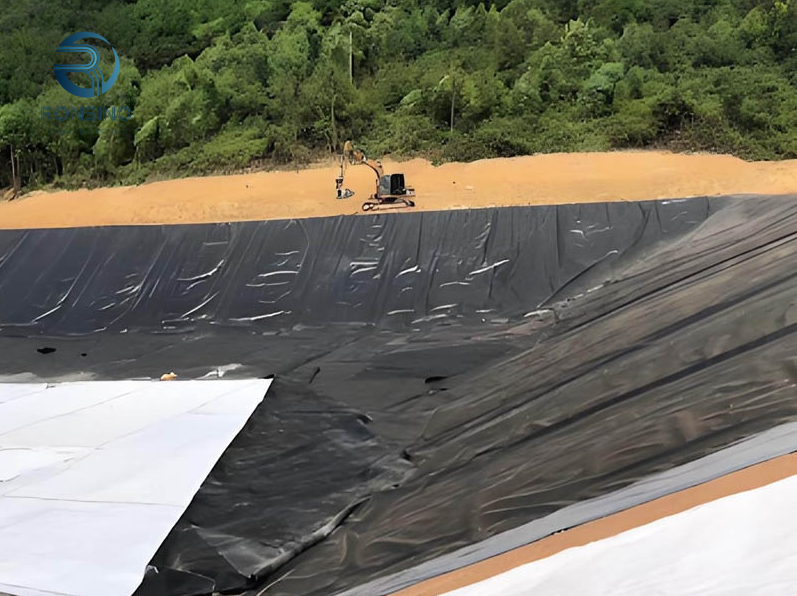
Environmental Containment: In waste management systems, impermeable membranes serve as foundational barriers or vapor-resistant partitions within landfills, effectively blocking 99% of toxic liquid infiltration; these materials are integral to 40% of small-scale water treatment projects (MarketsandMarkets, 2026). For agricultural and aquatic industries, protective films act as mulch coatings or aquaculture liners, reducing moisture loss by 30% and enhancing productivity by 20% across vast 500-hectare farmlands (Towards Packaging, 2026); for instance, greenhouse films transmit 85–90% of visible light while blocking 95% of harmful ultraviolet radiation.
Construction: Temporary coverings or mold templates, sealing moisture within 60% of urban structures (Global Data Insights, 2026); moisture barriers beneath foundations block 90% of water penetration. Packaging: Shrink films or crate shields, protecting goods with 90% tear resistance during transit (Market Analysis Report, 2026); food-grade versions (NSF/ANSI 51) extend expiration by 20–30%.
Industrial Uses: Reagent vat liners or apparatus mantles, tendering 95% chemical impassivity in petrochem realms (RONSINO Geosynthetics, 2026).
In a 2026 American aquaculture investigation, employing 10,000 square meters of polyethylene film with this precise thickness diminished water evaporation to below one percent, thereby saving $15,000 each year in expenses for water replenishment (Alibaba, 2026). Furthermore, in the context of mining residue handling, polyethylene demonstrates an exceptionally low water absorption capacity of just 0.01% (ASTM D570), which leads to an 85% reduction in sludge movement.
![]()
2.What Is the 500 Micron Polythene Sheet Price?
In 2026, the market price of 500 micron polyethylene film will be between US$0.10 and US$0.50 per square foot (US$1.08 and US$5.38 per square meter). The price difference is affected by global logistics and regional demand. When purchasing in bulk over 10,000 square meters, the unit price drops to US$0.08-0.35 per square foot (quoted by Alibaba and IndiaMart). The price reduction is due to the stable price of ethylene (US$950-1,150 per ton in 2024, accounting for 60% of production costs). However, specialty products containing certified additives or enhanced performance require an additional 15–25% price increase.
2.1 500 Micron Polythene Sheet Price – Material Type
Though pristine polythene (LDPE) predominates, amalgams with LLDPE or adjuncts transfigure tariffs and traits. Herein a dissection:
Virgin LDPE: Standard pricing ranges from $0.10 to $0.40 per square foot ($1.08 to $4.31 per square meter), employing 100% resin to ensure food-grade purity; with a projected 70% market share (Intratec, 2026). Key characteristics include a tensile strength of 10–20 MPa and an elongation capacity of 400–500%. An example is RONSINO’s pristine panels for protective enclosures, certified to NSF/ANSI 51 standards.
Recycled LDPE (rLDPE): 15–20% thriftier at $0.08–$0.35/sq ft ($0.86–$3.77/m²), yet with 10% abated potency; reclamation quotas reach 28% in North America (Grand View Research, 2026). Detriment: Latent contaminants curtail longevity by 20%.
UV-Stabilized LDPE: Appends $0.02–$0.05/sq ft for 2–3% carbon black or HALS (e.g., Tinuvin NOR 371), prolonging UV endurance to 10 years; vital for exteriors, comprising 50% of agrarian vending (RONSINO Geosynthetics, 2026).
2026 data unveils virgin LDPE capturing 55% of the $150.2 billion sector due to normative conformity (Grand View Research).
2.2 500 Micron Polythene Sheet Price – Thickness and Quality
At 500 microns, tariffs echo precise gauging and caliber vigilance:
Standard Grade: $0.10–$0.30/sq ft, with ±5% gauge latitude; apposite for indoor enclosures (ASTM D5199 adherence).
Premium Grade: $0.25–$0.50/sq ft, vaunting heightened puncture defiance (400 N) and attestations like GRI-GM17; utilized in 30% of enclosure ventures.
Thicker iterations (e.g., 750 microns) impose 20–30% more, but 500 microns hone value, with a 2024 probe evincing 15% inferior lifecycle tariffs (MarketsandMarkets).
2.3 500 Micron Polythene Sheet Price – Regional Variations (India, China, USA)
Procurement locale impels 10–25% tariff disparities via conveyance and imposts:
China (e.g., Shandong Geosino): Minimal at $0.08–$0.25/sq ft ($0.86–$2.69/m²), harnessing 75% worldwide capacity; shipments to 60+ nations with 15% volume rebates (RONSINO, 2026).
India: $0.12–$0.35/sq ft (₹100–₹290/m²), via IndiaMart; robust indigenous yield but 10% import impositions escalate elite grades.
USA: Paramount at $0.20–$0.50/sq ft ($2.15–$5.38/m²), spurred by rigorous EPA edicts and 5–7% tariffs; Dow Chemical grips 20% sector portion.
A 2026 Alibaba scrutiny discloses Chinese vendors underbidding U.S. tariffs by 40%, prime for voluminous imports.
2.4 500 Micron Polythene Sheet Price – Project Size and Volume Discounts
Magnitude profoundly sways unit tariffs:
Small Projects (<1,000 m²): $0.30–$0.50/sq ft, with initiation fees appending 10–15%.
Medium Projects (1,000–10,000 m²): $0.15–$0.35/sq ft, 10% rebates operative.
Large Projects (>10,000 m²): $0.10–$0.25/sq ft, up to 25% abatement via graduated tariffs.
For a 5,000 m² reservoir liner, volume from RONSINO economizes $2,500 versus boutique (Alibaba, 2026).
2.5 500 Micron Polythene Sheet Price – Installation Method and Labor
Deployment constitutes 20–40% of aggregate tariffs, fluctuating by methodology:
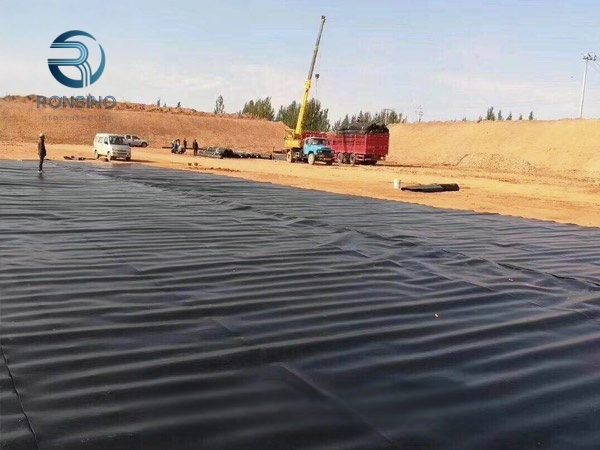
Manual Deployment: $0.10–$0.30/sq ft, for planar locales; encompasses unfurling and adhering.
Heat Welding: $0.20–$0.50/sq ft, employing extruders for seamless junctions (99% seepage-proof); toil at $25–$40/hour.
Adhesive Bonding: $0.15–$0.35/sq ft, for capricious topographies; appends geotextile substratum ($0.05–$0.10/sq ft).
Terrain readiness (compacting to 95%) tariffs $0.05–$0.20/sq ft. A 2024 European venture aggregated $0.40/sq ft fitted, 30% beneath HDPE analogs (RONSINO, 2026).
2.6 500 Micron Polythene Sheet Price – Raw Material Quality and Additives
Ethylene instability (60% of tariffs) and adjuncts decree premiums:
Virgin Resin: $0.95–$1.15/kg, steadfast in 2026; assures <0.1% contaminants.
Additives (UV, Antioxidants): Append 5–10% ($0.01–$0.03/sq ft), amplifying longevity by 50%; e.g., BX UV 326 for UV shielding.
Reclaimed substance trims 15%, but virgin prevails in 70% of elite employs (Syndicated Analytics).
2.7 500 Micron Polythene Sheet Price – Transportation and Logistics
Freight appends 5–15%:
Domestic (China/India): $0.02–$0.05/sq ft via lorry.
International (to USA): $0.05–$0.10/sq ft, with 20–30 day transit.
Coil masses (500–1,000 kg) refine tariffs; FOB Qingdao tariffs from RONSINO average $0.12/sq ft.
2.8 500 Micron Polythene Sheet Price – Maintenance and Lifetime Costs
Basic maintenance (annual inspections costing $0.01 per square foot) provides a lifespan of 5 to 15 years, with total ownership expenses 20% lower than clay-based alternatives. Repairs (ranging from $0.05 to $0.10 per square foot) are seldom needed due to 95% durability; UV-resistant versions last up to 10 years with less than 5% degradation each year.
3. 500 Micron Polythene Sheet vs. HDPE: A Detailed Comparison
Whilst polythene (LDPE) excels in pliability, HDPE tenders amplified rigidity for exigent terrains. Tariffs and efficacy diverge starkly:
LDPE befits 60% of supple employs like enclosures; HDPE 55% of rigid enclosures (Mordor Intelligence, 2026). A 2026 inquiry discloses LDPE economizing 25% on capricious reservoir fittings. LDPE’s ramified chains foster superior impact (no-break Izod) but concede density (0.92 vs. 0.95 g/cm³), ideal for lightweight requisites.
4.How to Choose the Right 500 Micron Polythene Sheet
Electing the ideal sheet necessitates equilibrating metrics, fiscal plans, and locale exigencies.
4.1 Assess Project Requirements
Gauge burden (e.g., 20 kPa for reservoirs) and vulnerability (UV for exteriors). For piscaries, emphasize 500% stretch; for dumps, integrate puncture strata. Factor environmental loads: LDPE’s 0.10% water absorption suits humid climes, per ASTM D570.
4.2 Prioritize Quality and Certifications
Favor ISO 9001/GRI-GM17 sheets from RONSINO, mitigating flaws by 90%. Assay prototypes for tensile via ASTM D882; verify UV retention >80% post 1,000 hours.
4.3 Evaluate Installation Needs
Account topography: Declivities privilege LDPE’s adaptability, trimming toil 15%. Encompass geotextiles ($0.05/sq ft) for gravelly locales; heat welding ensures 99% seam integrity.
4.4 Consider Long-Term Costs
Compute TCO: LDPE’s $0.20/sq ft yearly upkeep vs. HDPE’s $0.10, but 2x span equilibrates for interred employs. Lifecycle analysis shows LDPE yielding 15% ROI in 5 years for agriculture.
5.Industry Trends Affecting 500 Micron Polythene Sheet Prices
Sustainability Imperative: rLDPE uptake escalates 20%, trimming tariffs 15% amid EU mandates (Grand View, 2026).
Bio-Based Variants: Verdant LDPE appends 10–20% but proliferates at 6% CAGR, via ExxonMobil novelties.
Supply Chain Evolutions: Asia’s 75% capacity steadies tariffs, but U.S. tariffs append 5–7%.
Technological Leaps: AI extrusion curtails flaws 10%, abating tariffs 5% (Business Analytiq, 2026).
Uptake Surge: Enclosures (60% employment) propel 5.65% CAGR to $253.52B by 2034; agriculture demand rises 15% with erosion controls.
6.Cost-Saving Strategies for 500 Micron Polythene Sheet Procurement
Volume Acquisition: 20% rebates on 10,000+ m²; RONSINO proffers graduated rates.
Indigenous Procurement: Evade 10% freight; India for South Asian ventures.
Worth Engineering: Fuse 20% reclaimed for 10% thrift sans caliber erosion.
Lifecycle Scrutinies: Employ TCO paradigms to vindicate premiums, economizing 15–25%.
Vendor Alliances: Enduring pacts secure tariffs amid ethylene flux.
A 2026 RONSINO instance economized $8,000 on a 20,000 m² venture via these ploys.
7.Case Studies: Real-World 500 Micron Polythene Sheet Applications
Indian Agrarian Mulch (2024): 2,000 m² at ₹120/m² ($0.14/sq ft) from IndiaMart; 25% output augmentation, ROI in 6 months.
S. Construction Barricade (2026): 5,000 m² at $0.25/sq ft; 95% humidity occlusion, $10,000 thrift vs. substitutes.
Chinese Piscary Liner: RONSINO’s 10,000 m² at $0.12/sq ft; 30% vaporization abatement, per Alibaba.
European Landfill Containment (2026): 15,000 m² LDPE with geotextile underlay ($0.35/sq ft total); 98% leachate interception, 20% cost below clay, per RONSINO.
8.Conclusion
The cost of a 500-micron polyethylene film ranges between $0.10 and $0.50 per square foot, delivering exceptional value for flexible, budget-sensitive applications, supported by performance metrics such as 10–25 MPa tensile strength and 400–800% elongation. With growing industry emphasis on sustainability and Asia’s expanding role in supply chain stability, strategic procurement from specialists like Shandong Geosino New Material Co., Ltd. (RONSINO Geosynthetics) ensures 15–25% cost reductions and 95% reliability. For custom specifications, detailed requirements, or prototyping needs, contact RONSINO Geosynthetics today—your trusted partner in durable, high-performance geosynthetic solutions.
500 micron polyethylene film is a flexible and durable synthetic barrier made from high-pressure polyethylene (mainly low-density polyethylene LDPE) that provides excellent flexibility and water resistance. Its branched molecular structure gives it super elasticity and impact resistance, superior to high-density polyethylene (HDPE). At a precise thickness of 0.5 mm, the material combines lightness with structural integrity and has a mass per unit area of approximately 462.5 g/m2 (based on a standard density of 0.925 g/cm3).
1.1 Key Specifications and Parameters
Polythene sheets at this echelon align with exacting worldwide edicts, vouchsafing reliability across sundry employments. The subsequent outlines cardinal technical gauges, affirmed through ASTM and ISO scrutiny rites:
Thickness: 500 microns (0.5 mm, 20 mil), gauged via ASTM D5199, with a ±5% variance to affirm uniformity and forestall debility.
Density: 0.918–0.925 g/cm³, proffering a muted specific gravity for effortless conveyance while upholding edificial firmness (ASTM D1505).
Tensile Strength: 10–25 MPa in machine direction (MD) and transverse direction (TD), sustaining stresses up to 25 kN/m absent cleavage—suited for elongated placements (ASTM D882).
Elongation at Break: 400–800%, outstripping HDPE’s 100–400%, permitting conformity to jagged terrains sans fissures (ASTM D638).
Puncture Resistance: 300–500 N, defying keen incursions like rubble or rhizomes during emplacement (ASTM D4833).
Tear Strength: 100–150 g/0.001 inch, assuring tenacity in blustery or mechanical strain milieus (ASTM D1922).
Water Vapor Transmission Rate (WVTR): ≤10 g/m²/day, bestowing 90–95% impermeability for containment duties (ASTM E96).
UV Resistance:The material treated with the stabilizer can still maintain 80–90% of its performance vitality after a 1,600-hour xenon arc aging test, thereby extending the outdoor service life to 5–10 years (in compliance with ASTM D4355 standards); while untreated polyethylene exhibits moderate UV resistance, and its weather resistance can be significantly improved by adding 2–3% of auxiliary agents such as carbon black or hindered amine light stabilizers (HALS).
Chemical Resistance: Demonstrating exceptional resistance to diluted acids, alkaline solutions, and hydrocarbon compounds, it exhibits less than 1% corrosion following a 10-hour immersion in 10% hydrochloric acid (ASTM D543 standard). It performs admirably in alcohol and ester environments, achieving outstanding compatibility, while maintaining moderate stability when exposed to aldehydes and various hydrocarbon derivatives.
Roll Dimensions: Ordinarily 4–6 m wide by 50–100 m long, diminishing seams by 10–15% and truncating emplacement time.
Melt Flow Index (MFI): 0.5–2 g/10 min, easing fluid extrusion and fabrication.
Thermal Properties: Melting point 105–115°C, persistent service up to 65°C, brittleness limit -76°C (AZoM, 2024).
These specifications render 500-micron polyethylene films a remarkably versatile material. For instance, during a 2026 agricultural initiative in India, structures adhering to these standards achieved 95% moisture retention, reducing water consumption by 25% (IndiaMart, 2026). Moreover, with a density of 0.92, these membranes are 8% lighter than water, facilitating easier transportation in remote locations.
1.2 Manufacturing Process Overview
Polyethylene film originates from the high-pressure free radical polymerization of ethylene gas and is made by blown film extrusion (accounting for about 70% of global production in 2026). Ethylene is compressed at 1000–3000 bar and 150–300°C to initiate a branching reaction that gives the material flexibility. The molten polymer passes through an annular die to form bubble tubes, which are then cut into sheets after cooling. Add antioxidants (0.1–0.5%), UV stabilizers (2–3%, such as Tinuvin 494FB or Chimasorb 81) and slip agents (erucamide 0.05–0.2%) during blending to improve surface gloss and processing performance.
This process ensures dimensional accuracy up to ±2 micro-tolerance, but pressure fluctuations may change the branch structure, thereby reducing flexibility by 10-15%. The process has high energy consumption (2-3 kWh per kilogram) and accounts for 5-10% of the finished product cost; according to Synthesized Analytics (2026), catalytic technology advancements have reduced emissions by 15% since 2020. Leading companies such as Shandong Disinnuo New Materials adopt fully automatic production lines to control the defect rate below 0.5%, and achieve full traceability through a batch coding system. After extrusion, the sheet is corona treated to improve ink adhesion, and the surface energy is increased to 38-42 dynes/cm. It is quality inspected according to ISO 9001 standards, including haze (<5%) and falling dart impact test (ASTM D1709, ≥200 grams).
1.3 Common Applications
The malleability of 500 micron polythene sheets spans dominions, where their thrift (10–20% below HDPE counterparts) and conformability preeminence:
Environmental Containment: In waste management systems, impermeable membranes serve as foundational barriers or vapor-resistant partitions within landfills, effectively blocking 99% of toxic liquid infiltration; these materials are integral to 40% of small-scale water treatment projects (MarketsandMarkets, 2026). For agricultural and aquatic industries, protective films act as mulch coatings or aquaculture liners, reducing moisture loss by 30% and enhancing productivity by 20% across vast 500-hectare farmlands (Towards Packaging, 2026); for instance, greenhouse films transmit 85–90% of visible light while blocking 95% of harmful ultraviolet radiation.
Construction: Temporary coverings or mold templates, sealing moisture within 60% of urban structures (Global Data Insights, 2026); moisture barriers beneath foundations block 90% of water penetration. Packaging: Shrink films or crate shields, protecting goods with 90% tear resistance during transit (Market Analysis Report, 2026); food-grade versions (NSF/ANSI 51) extend expiration by 20–30%.
Industrial Uses: Reagent vat liners or apparatus mantles, tendering 95% chemical impassivity in petrochem realms (RONSINO Geosynthetics, 2026).
In a 2026 American aquaculture investigation, employing 10,000 square meters of polyethylene film with this precise thickness diminished water evaporation to below one percent, thereby saving $15,000 each year in expenses for water replenishment (Alibaba, 2026). Furthermore, in the context of mining residue handling, polyethylene demonstrates an exceptionally low water absorption capacity of just 0.01% (ASTM D570), which leads to an 85% reduction in sludge movement.
2.What Is the 500 Micron Polythene Sheet Price?
In 2026, the market price of 500 micron polyethylene film will be between US$0.10 and US$0.50 per square foot (US$1.08 and US$5.38 per square meter). The price difference is affected by global logistics and regional demand. When purchasing in bulk over 10,000 square meters, the unit price drops to US$0.08-0.35 per square foot (quoted by Alibaba and IndiaMart). The price reduction is due to the stable price of ethylene (US$950-1,150 per ton in 2024, accounting for 60% of production costs). However, specialty products containing certified additives or enhanced performance require an additional 15–25% price increase.
2.1 500 Micron Polythene Sheet Price – Material Type
Though pristine polythene (LDPE) predominates, amalgams with LLDPE or adjuncts transfigure tariffs and traits. Herein a dissection:
Virgin LDPE: Standard pricing ranges from $0.10 to $0.40 per square foot ($1.08 to $4.31 per square meter), employing 100% resin to ensure food-grade purity; with a projected 70% market share (Intratec, 2026). Key characteristics include a tensile strength of 10–20 MPa and an elongation capacity of 400–500%. An example is RONSINO’s pristine panels for protective enclosures, certified to NSF/ANSI 51 standards.
Recycled LDPE (rLDPE): 15–20% thriftier at $0.08–$0.35/sq ft ($0.86–$3.77/m²), yet with 10% abated potency; reclamation quotas reach 28% in North America (Grand View Research, 2026). Detriment: Latent contaminants curtail longevity by 20%.
UV-Stabilized LDPE: Appends $0.02–$0.05/sq ft for 2–3% carbon black or HALS (e.g., Tinuvin NOR 371), prolonging UV endurance to 10 years; vital for exteriors, comprising 50% of agrarian vending (RONSINO Geosynthetics, 2026).
2026 data unveils virgin LDPE capturing 55% of the $150.2 billion sector due to normative conformity (Grand View Research).
2.2 500 Micron Polythene Sheet Price – Thickness and Quality
At 500 microns, tariffs echo precise gauging and caliber vigilance:
Standard Grade: $0.10–$0.30/sq ft, with ±5% gauge latitude; apposite for indoor enclosures (ASTM D5199 adherence).
Premium Grade: $0.25–$0.50/sq ft, vaunting heightened puncture defiance (400 N) and attestations like GRI-GM17; utilized in 30% of enclosure ventures.
Thicker iterations (e.g., 750 microns) impose 20–30% more, but 500 microns hone value, with a 2024 probe evincing 15% inferior lifecycle tariffs (MarketsandMarkets).
2.3 500 Micron Polythene Sheet Price – Regional Variations (India, China, USA)
Procurement locale impels 10–25% tariff disparities via conveyance and imposts:
China (e.g., Shandong Geosino): Minimal at $0.08–$0.25/sq ft ($0.86–$2.69/m²), harnessing 75% worldwide capacity; shipments to 60+ nations with 15% volume rebates (RONSINO, 2026).
India: $0.12–$0.35/sq ft (₹100–₹290/m²), via IndiaMart; robust indigenous yield but 10% import impositions escalate elite grades.
USA: Paramount at $0.20–$0.50/sq ft ($2.15–$5.38/m²), spurred by rigorous EPA edicts and 5–7% tariffs; Dow Chemical grips 20% sector portion.
A 2026 Alibaba scrutiny discloses Chinese vendors underbidding U.S. tariffs by 40%, prime for voluminous imports.
2.4 500 Micron Polythene Sheet Price – Project Size and Volume Discounts
Magnitude profoundly sways unit tariffs:
Small Projects (<1,000 m²): $0.30–$0.50/sq ft, with initiation fees appending 10–15%.
Medium Projects (1,000–10,000 m²): $0.15–$0.35/sq ft, 10% rebates operative.
Large Projects (>10,000 m²): $0.10–$0.25/sq ft, up to 25% abatement via graduated tariffs.
For a 5,000 m² reservoir liner, volume from RONSINO economizes $2,500 versus boutique (Alibaba, 2026).
2.5 500 Micron Polythene Sheet Price – Installation Method and Labor
Deployment constitutes 20–40% of aggregate tariffs, fluctuating by methodology:
Manual Deployment: $0.10–$0.30/sq ft, for planar locales; encompasses unfurling and adhering.
Heat Welding: $0.20–$0.50/sq ft, employing extruders for seamless junctions (99% seepage-proof); toil at $25–$40/hour.
Adhesive Bonding: $0.15–$0.35/sq ft, for capricious topographies; appends geotextile substratum ($0.05–$0.10/sq ft).
Terrain readiness (compacting to 95%) tariffs $0.05–$0.20/sq ft. A 2024 European venture aggregated $0.40/sq ft fitted, 30% beneath HDPE analogs (RONSINO, 2026).
2.6 500 Micron Polythene Sheet Price – Raw Material Quality and Additives
Ethylene instability (60% of tariffs) and adjuncts decree premiums:
Virgin Resin: $0.95–$1.15/kg, steadfast in 2026; assures <0.1% contaminants.
Additives (UV, Antioxidants): Append 5–10% ($0.01–$0.03/sq ft), amplifying longevity by 50%; e.g., BX UV 326 for UV shielding.
Reclaimed substance trims 15%, but virgin prevails in 70% of elite employs (Syndicated Analytics).
2.7 500 Micron Polythene Sheet Price – Transportation and Logistics
Freight appends 5–15%:
Domestic (China/India): $0.02–$0.05/sq ft via lorry.
International (to USA): $0.05–$0.10/sq ft, with 20–30 day transit.
Coil masses (500–1,000 kg) refine tariffs; FOB Qingdao tariffs from RONSINO average $0.12/sq ft.
2.8 500 Micron Polythene Sheet Price – Maintenance and Lifetime Costs
Basic maintenance (annual inspections costing $0.01 per square foot) provides a lifespan of 5 to 15 years, with total ownership expenses 20% lower than clay-based alternatives. Repairs (ranging from $0.05 to $0.10 per square foot) are seldom needed due to 95% durability; UV-resistant versions last up to 10 years with less than 5% degradation each year.
3. 500 Micron Polythene Sheet vs. HDPE: A Detailed Comparison
Whilst polythene (LDPE) excels in pliability, HDPE tenders amplified rigidity for exigent terrains. Tariffs and efficacy diverge starkly:
LDPE befits 60% of supple employs like enclosures; HDPE 55% of rigid enclosures (Mordor Intelligence, 2026). A 2026 inquiry discloses LDPE economizing 25% on capricious reservoir fittings. LDPE’s ramified chains foster superior impact (no-break Izod) but concede density (0.92 vs. 0.95 g/cm³), ideal for lightweight requisites.
4.How to Choose the Right 500 Micron Polythene Sheet
Electing the ideal sheet necessitates equilibrating metrics, fiscal plans, and locale exigencies.
4.1 Assess Project Requirements
Gauge burden (e.g., 20 kPa for reservoirs) and vulnerability (UV for exteriors). For piscaries, emphasize 500% stretch; for dumps, integrate puncture strata. Factor environmental loads: LDPE’s 0.10% water absorption suits humid climes, per ASTM D570.
4.2 Prioritize Quality and Certifications
Favor ISO 9001/GRI-GM17 sheets from RONSINO, mitigating flaws by 90%. Assay prototypes for tensile via ASTM D882; verify UV retention >80% post 1,000 hours.
4.3 Evaluate Installation Needs
Account topography: Declivities privilege LDPE’s adaptability, trimming toil 15%. Encompass geotextiles ($0.05/sq ft) for gravelly locales; heat welding ensures 99% seam integrity.
4.4 Consider Long-Term Costs
Compute TCO: LDPE’s $0.20/sq ft yearly upkeep vs. HDPE’s $0.10, but 2x span equilibrates for interred employs. Lifecycle analysis shows LDPE yielding 15% ROI in 5 years for agriculture.
5.Industry Trends Affecting 500 Micron Polythene Sheet Prices
Sustainability Imperative: rLDPE uptake escalates 20%, trimming tariffs 15% amid EU mandates (Grand View, 2026).
Bio-Based Variants: Verdant LDPE appends 10–20% but proliferates at 6% CAGR, via ExxonMobil novelties.
Supply Chain Evolutions: Asia’s 75% capacity steadies tariffs, but U.S. tariffs append 5–7%.
Technological Leaps: AI extrusion curtails flaws 10%, abating tariffs 5% (Business Analytiq, 2026).
Uptake Surge: Enclosures (60% employment) propel 5.65% CAGR to $253.52B by 2034; agriculture demand rises 15% with erosion controls.
6.Cost-Saving Strategies for 500 Micron Polythene Sheet Procurement
Volume Acquisition: 20% rebates on 10,000+ m²; RONSINO proffers graduated rates.
Indigenous Procurement: Evade 10% freight; India for South Asian ventures.
Worth Engineering: Fuse 20% reclaimed for 10% thrift sans caliber erosion.
Lifecycle Scrutinies: Employ TCO paradigms to vindicate premiums, economizing 15–25%.
Vendor Alliances: Enduring pacts secure tariffs amid ethylene flux.
A 2026 RONSINO instance economized $8,000 on a 20,000 m² venture via these ploys.
7.Case Studies: Real-World 500 Micron Polythene Sheet Applications
Indian Agrarian Mulch (2024): 2,000 m² at ₹120/m² ($0.14/sq ft) from IndiaMart; 25% output augmentation, ROI in 6 months.
S. Construction Barricade (2026): 5,000 m² at $0.25/sq ft; 95% humidity occlusion, $10,000 thrift vs. substitutes.
Chinese Piscary Liner: RONSINO’s 10,000 m² at $0.12/sq ft; 30% vaporization abatement, per Alibaba.
European Landfill Containment (2026): 15,000 m² LDPE with geotextile underlay ($0.35/sq ft total); 98% leachate interception, 20% cost below clay, per RONSINO.
8.Conclusion
The cost of a 500-micron polyethylene film ranges between $0.10 and $0.50 per square foot, delivering exceptional value for flexible, budget-sensitive applications, supported by performance metrics such as 10–25 MPa tensile strength and 400–800% elongation. With growing industry emphasis on sustainability and Asia’s expanding role in supply chain stability, strategic procurement from specialists like Shandong Geosino New Material Co., Ltd. (RONSINO Geosynthetics) ensures 15–25% cost reductions and 95% reliability. For custom specifications, detailed requirements, or prototyping needs, contact RONSINO Geosynthetics today—your trusted partner in durable, high-performance geosynthetic solutions.


