
Learn About The Geo Clay Liner
Blog · 2026-07-18 · 0 views
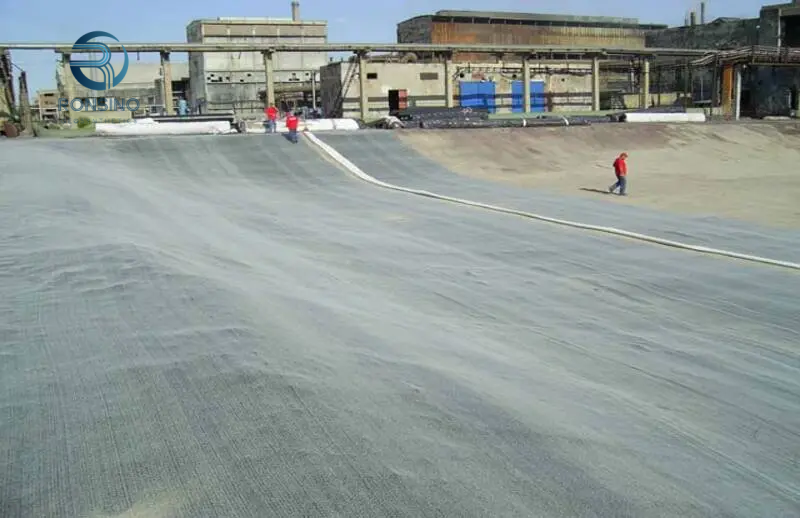
In the ever-evolving field of geosynthetic materials, innovation continues to drive advancements in more efficient, sustainable, and cost-effective materials. Among these advancements, geosynthetic clay liners (GCLs), often referred to as bentonite waterproofing blankets, have become a core technology in seepage control and hydraulic barrier applications. This article provides a comprehensive overview of the structural composition, mechanism of action, application areas, significant advantages, and best practices for the installation of geosynthetic clay liners, further solidifying their position as an indispensable tool for engineers and environmentalists.
1. What is a Geo Clay Liner?
Geosynthetic clay liners (GCLs) are factory-produced impermeable materials. High-purity sodium-based bentonite is sandwiched between two layers of permeable geotextile, or directly bonded to the surface of an impermeable geomembrane, through needle punching, stitching, and bonding. This sandwich-like layered composite structure combines the ultra-low permeability coefficient of sodium-based bentonite, which swells upon contact with water to form a dense insulating layer, with the excellent tensile strength, puncture resistance, and long-term anti-aging properties of geosynthetics.
Unlike compacted clay liners (CCLs) widely used in traditional engineering, which require large-scale on-site excavation of the original soil and multiple processes such as impurity removal, moisture content adjustment, layered compaction, and quality inspection to meet impermeability requirements, GCLs are prefabricated in factories according to standardized specifications. The rolls are transported to the site and can be quickly laid simply by unfolding, aligning, and overlapping the seams. This avoids the impact of complex site conditions and weather on the construction quality of the barrier layer, and forms a uniform, stable, high-performance impermeable barrier with a very small overall thickness—typically only about 1/2 inch (12 mm) after the bentonite is fully hydrated.
The core of GCL's performance lies in its key material—sodium bentonite. This clay is renowned for its exceptional expansion properties. When wetted, sodium bentonite can expand to up to fifteen times its original volume, forming a dense and highly impermeable gel that effectively seals pores, cracks, and damaged areas in the gasket system.
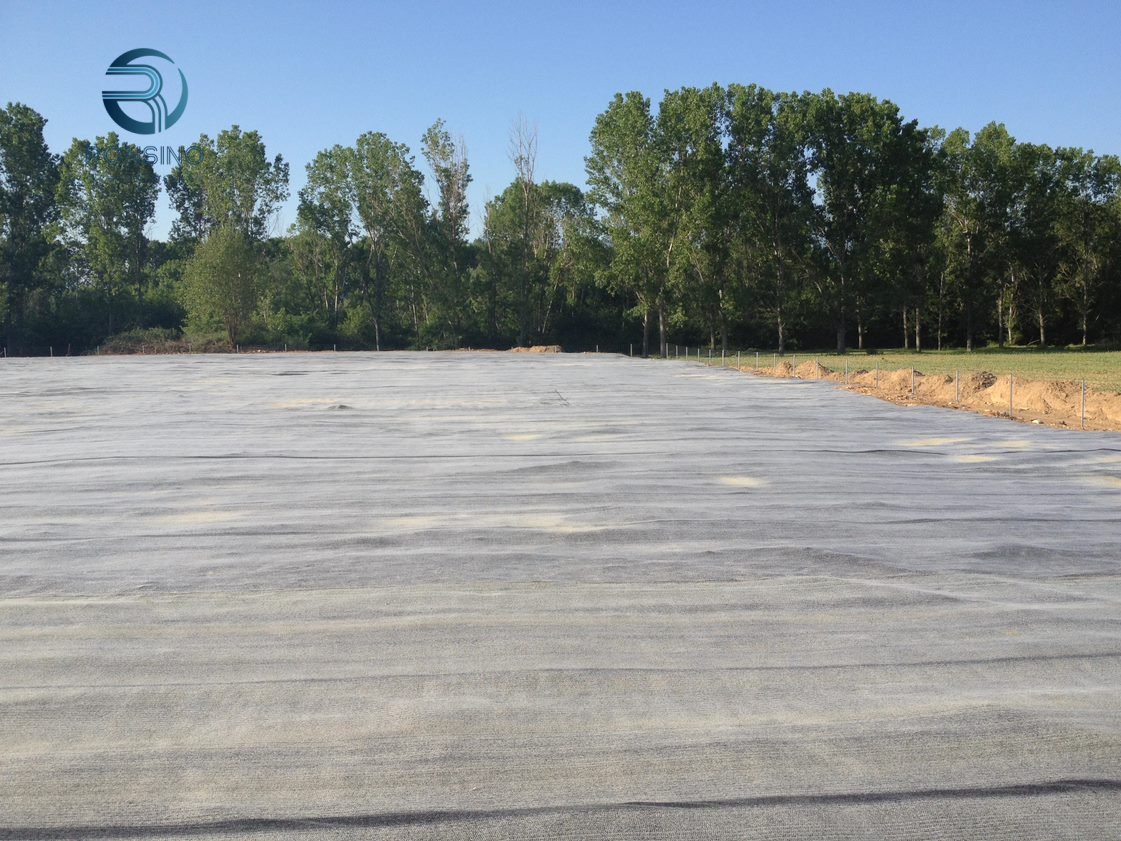
2. The Anatomy of a Geo Clay Liner: Materials and Manufacturing
Understanding the components of a GCL is key to appreciating its performance:
2.1 Geo Clay Liner – Bentonite Core
The sodium bentonite employed is a natural clay mineral derived from geological deposits. Its montmorillonite crystalline configuration endows the material with an elevated cation exchange capability, which serves as the foundational mechanism for its pronounced swelling and sealing characteristics.
2.2 Geo Clay Liner – Carrier Geotextile
This constitutes the foundational stratum, commonly a non-woven geotextile material. Its essential roles are to encapsulate the bentonite and permit the transmission of water from the subsoil upward, thereby initiating hydration and triggering the expansion mechanism of the clay minerals.
2.3 Geo Clay Liner – Cover Geotextile
This constitutes the uppermost layer, which can be manufactured using either woven or non-woven production processes. A woven geotextile delivers superior tensile strength performance, making it well suited for scenarios that require high load-bearing and anti-deformation capabilities, whereas a non-woven geotextile provides more excellent water transmissivity and buffer cushioning effect, effectively adapting to uneven base surfaces and facilitating the rapid discharge of infiltrated liquid. In part of the specialized engineering products, a geomembrane material (such as high-density polyethylene, HDPE) is selected as the covering layer, which is compounded with the geotextile layer to form a composite liner structure, possessing far lower permeability than a single material, and significantly enhancing the overall anti-seepage performance of the system.
2.4 Geo Clay Liner – Bonding Method
Three core approaches are employed in the production workflow to securely attach the different material plies to one another: needle punching, thread sewing, and adhesive lamination. To begin with, the needle punching process uses hooked felting needles to repeatedly pierce through overlapping fiber mats and twist the individual fibers together, thus locking the plies into one integrated, gap-free structure. Next, when a more robust and precisely controlled bond is required, production staff will operate heavy-duty sewing equipment to sew through the stacked plies with high-tensile thread; this method not only boosts the overall structural load-bearing capacity of the material, but also allows for the creation of customized surface textures and reinforcing patterns. As another option, production teams can coat the contact surfaces between plies with specialized bonding agents, to firmly adhere the layers into one uniform, seamless composite material. In the end, the choice of which bonding method to use for a given production run is entirely determined by the performance requirements set for the finished good, including its required bend resilience, wear resistance, and specific end-use scenario.
2.5 Geo Clay Liner – Needle-Punched
In course of needle-punching operations,barbed pins deliberately push fibers from surface-layer geotextiles through middle bentonite stratum straight into substrate-geotextile material.Accordingly,this physical manipulation tightly interweaves these components,forming a robust three-dimensional composite framework.Therefore,this approach notably amplifies inherent shearing strength within Geosynthetic Clay Liners(GCLs).As such,this enhanced mechanical linkage renders needle-processed GCLs highly suitable for demanding sloped scenarios—like landfill caps or reservoir covering systems—where anti-shear capability stands critical for long-term structural stability.
2.6 Geo Clay Liner – Stitch-Bonded
On the other hand, manufacturers occasionally use high-strength yarns to sew the layers together. Although this method is used less frequently than needle punching or adhesive bonding, it tightly connects the materials through a series of precise and strong stitches. This process creates a flexible and durable bond while maintaining the material's permeability. Therefore, for certain applications—especially where other bonding methods are difficult to apply—this technology remains a reliable and efficient solution.
2.7 Geo Clay Liner – Adhesive-Bonded
In the bonding process, manufacturers use a special adhesive to firmly bond the bentonite layer to the geotextile surface. This method requires extremely careful handling throughout the operation. This is primarily because dry, powdery bentonite is highly susceptible to dust dispersion. Therefore, operators must pay close attention to environmental control and strictly control dust dispersion during construction. Ultimately, by implementing these protective measures, this technology can form a uniform and reliable bonded layer while effectively reducing the health and safety risks associated with inhaling bentonite dust.
3. How Does a Geo Clay Liner Work? The Science of Self-Sealing
The fundamental mechanism underpinning a GCL's exceptional performance is remarkably straightforward: hydration-induced expansion. Following placement and subsequent covering, the GCL actively draws in moisture from the adjacent subgrade and/or atmospheric precipitation. The sodium bentonite within undergoes hydration, expanding volumetrically to occupy voids within its own structure and, critically, to seal microscopic fissures or irregularities present during installation. This process culminates in the formation of an uninterrupted, low-permeability membrane exhibiting a hydraulic conductivity ranging from approximately 1 x 10⁻⁹ to 1 x 10⁻¹¹ m/s, a performance metric that matches or even exceeds that of a substantially thicker compacted clay barrier.
This inherent self-sealing capability represents a pivotal advantage, offering a substantial margin of security against potential breaches arising from post-installation subsidence or incidental impairment.
4. Key Applications of Geo Clay Liner
The adaptability of GCLs has resulted in their widespread implementation across numerous sectors:
Waste Management: Incorporated into composite liner systems for base liners and final covers to securely retain leachate and mitigate landfill gas emissions.
Mining Operations: Utilized in heap leach pads to confine process fluids, manage tailings, and inhibit the infiltration of acid mine drainage.
Fluid Retention: Applied as impermeable barriers for ponds, canals, reservoirs, and irrigation systems to minimize seepage-related water loss.
Civil Engineering: Deployed beneath transportation infrastructure such as highways, railways, and tunnels to serve as a moisture barrier, thereby preventing subgrade degradation and frost-induced damage.
Ecological Restoration: Employed as caps for contaminated zones to block rainfall penetration and limit the dispersion of hazardous substances.
Spill Containment: Installed in secondary containment zones surrounding aboveground storage vessels to manage accidental leaks and spills.
5. Advantages Over Traditional Compacted Clay Liners (CCLs)
The rise of GCLs can be attributed to their numerous compelling benefits:
5.1 Space Efficiency
Notably, Geosynthetic Clay Liners (GCLs) effectively preserve critical landfill airspace. Their remarkably slim design directly substitutes for a substantially thicker conventional compacted clay layer, typically measuring 2-3 feet. This substantial reduction in necessary thickness markedly decreases excavation requirements during the installation process. Consequently, landfill operators can optimize waste disposal capacity and substantially prolong the operational lifespan of the facility, all while preserving an identical level of impermeable performance.
5.2 Rapid Installation
In practical terms, construction teams can deploy a prefabricated geosynthetic clay liner at a rate that dwarfs the time required to procure, install, and validate a conventional compacted clay barrier. This direct assessment underscores a substantial improvement in operational efficiency. As a result, this simplified method of installation significantly compresses the total project duration. Moreover, by limiting the duration of exposure to environmental conditions, it effectively diminishes the likelihood of weather-induced setbacks and hazards, thereby fostering a more reliable and risk-managed construction schedule.
5.3 Superior Consistency
Owing to the stringent oversight maintained during fabrication, manufacturers are capable of proactively ensuring that the thickness, moisture levels, and density remain consistent across every unit of the geosynthetic clay liner. This meticulously controlled manufacturing approach sharply diverges from the on-site compaction procedures employed with natural clay, which remains particularly vulnerable to fluctuations arising from both external conditions and human factors. As a result, the establishment of uniform, superior material characteristics through industrialized production completely eradicates the performance unpredictability typically associated with conventional methods.
5.4 Exceptional Self-Sealing Capacity
Remarkably, geosynthetic clay liners (GCLs) exhibit the exceptional capacity to form a secure, tight seal around any intrusions, including utility conduits or structural reinforcements. This pivotal self-healing attribute, which stems from the expansive behavior of bentonite upon water absorption, guarantees the uninterrupted integrity of the containment barrier. On the other hand, conventional compacted clay liners (CCLs) do not possess this intrinsic feature, rendering them more vulnerable to potential seepage at these vulnerable junctions. Consequently, this significant performance advantage positions GCLs as the preferred material for applications where intricate connections and penetrations represent a dominant design consideration.
5.5 Cost-Effectiveness
Despite the potentially elevated upfront investment associated with geosynthetic clay liners, their long-term financial benefits across multiple project dimensions cannot be overlooked. More precisely, GCLs contribute to substantial cost reductions by significantly streamlining the construction timeline, reducing dependency on extensive procurement networks, and decreasing the reliance on intensive on-site quality control measures. When these advantages are collectively evaluated, they frequently culminate in a more favorable overall project expenditure. As a result, this establishes geosynthetic clay liners as the superior cost-effective and operationally advantageous solution for the entire undertaking.
5.6 High Performance in Shear
In essence, the needling procedure effectively intertwines the geotextile filaments with the bentonite matrix. Consequently, needle-punched GCLs demonstrate remarkable internal shear resistance. This critical characteristic guarantees their structural integrity, even when deployed on inclined surfaces. Thus, they emerge as a dependable and favored solution for demanding scenarios like landfill covers, containment ponds, and uneven landscapes, where sliding prevention is paramount for sustained functionality.
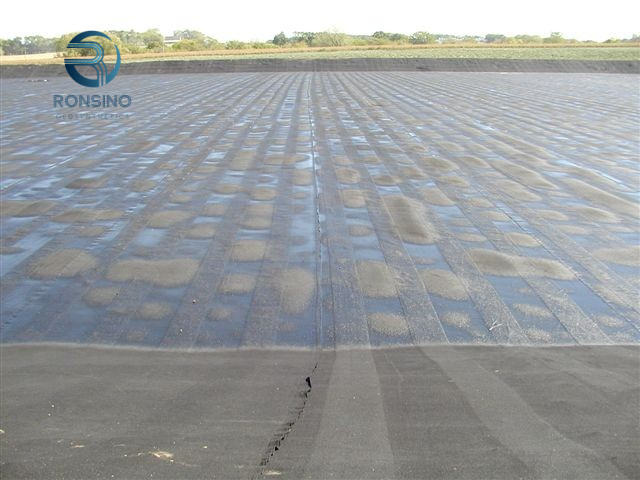
6. Geo Clay Liner Installation Considerations and Best Practices
Subgrade Construction: The subgrade surface must be flat and firm, and free from sharp stones, debris, or uneven areas that could puncture the geomembrane.
Hydration: To ensure the bentonite cushion layer (GCL) achieves the designed low permeability performance, it must be adequately hydrated. This process can be achieved through natural wetting of the subgrade soil, or through controlled watering by artificial spraying before laying the cover layer.
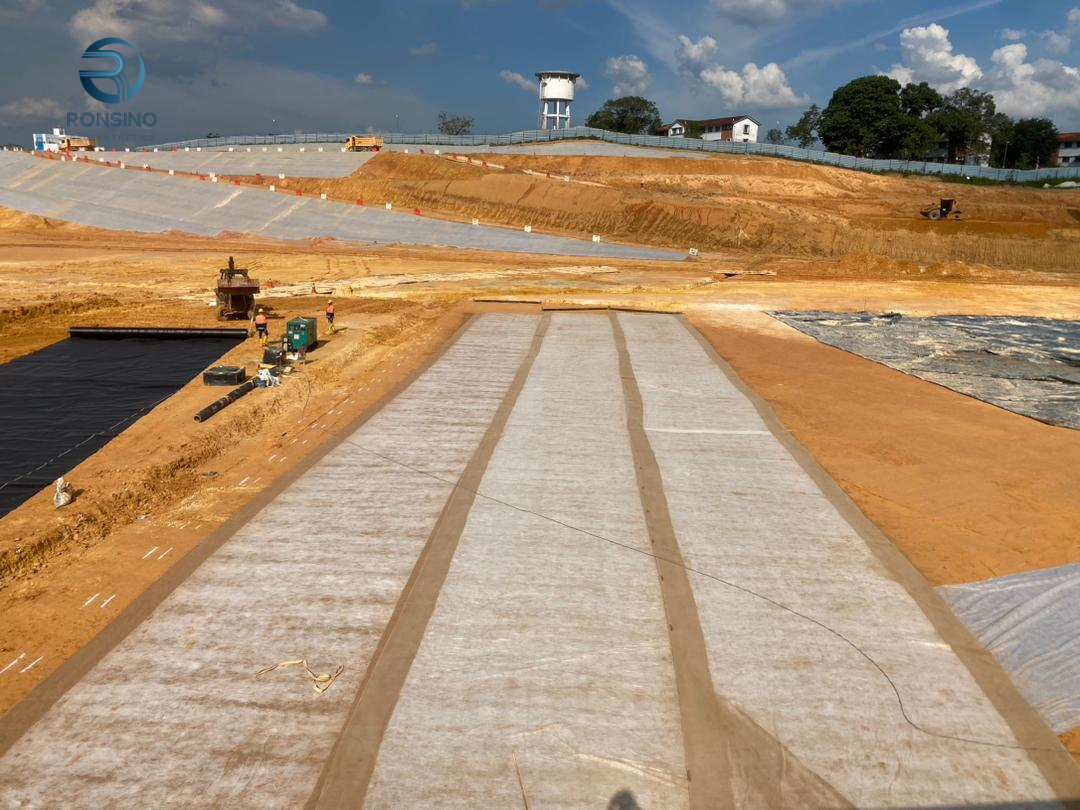
Sealing: Adjacent sections are laid using an overlapping method (usually with an overlap width of at least 15 cm), rather than a jointing process similar to geomembranes. To ensure a complete sealing layer after hydration, bentonite granules or specialized sections are often filled in the overlapping area. Adhesives may also be used for additional fixation in some special engineering scenarios.
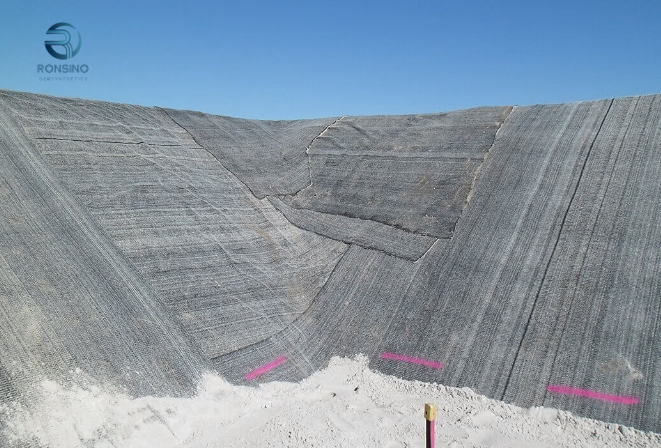
Anchoring: For slope areas, a trench anchoring system must be installed on top of the GCL roll to ensure reliable fixation before the cover soil is laid. The anchoring design should be optimized based on the slope gradient and geological conditions.
Cover Placement: The laying of the first layer of cover soil requires strict control of the construction process. It is recommended to unload the material from the top of the slope and gradually spread it along the slope direction to ensure uniform material distribution. Low ground pressure equipment should be selected for construction to prevent displacement or damage to the geotextile material.
7. The Future of GCL Technology
Ongoing advancements in scientific exploration and technological innovation are persistently elevating the capabilities of geosynthetic clay liners (GCLs). Forefront developments point towards the emergence of next-generation bentonite materials, such as those undergoing polymeric modification, which are engineered to exhibit superior hydraulic conductivity, heightened resilience against ionic interactions—a critical attribute for maintaining swelling capacity in chemically aggressive settings—and augmented self-sealing functionality capable of addressing more extensive breaches. Concurrently, a pivotal trajectory in the field involves the strategic combination of GCLs with diverse geosynthetic counterparts to forge integrated, multi-purpose composite assemblies, representing a dynamic and expanding frontier of material engineering.
8. Conclusion
Geosynthetic Clay Liners exemplify an innovative fusion between traditional geological elements and contemporary engineering methodologies. These materials deliver an exceptionally durable, self-repairing, and virtually impervious shield while maintaining a compact, user-friendly installation format, thereby transforming containment infrastructure. Amid increasingly stringent environmental policies and the expanding emphasis on eco-conscious building approaches, GCLs are poised to remain indispensable safeguards for preserving subsurface and aquatic resources across future generations.
For comprehensive technical documentation, real-world implementation examples, or to explore the seamless incorporation of GCLs into your upcoming initiatives, please connect with our experts at RONSINO Geosynthetics. We are committed to delivering advanced geosynthetic technologies and specialized assistance to address diverse engineering requirements.
1. What is a Geo Clay Liner?
Geosynthetic clay liners (GCLs) are factory-produced impermeable materials. High-purity sodium-based bentonite is sandwiched between two layers of permeable geotextile, or directly bonded to the surface of an impermeable geomembrane, through needle punching, stitching, and bonding. This sandwich-like layered composite structure combines the ultra-low permeability coefficient of sodium-based bentonite, which swells upon contact with water to form a dense insulating layer, with the excellent tensile strength, puncture resistance, and long-term anti-aging properties of geosynthetics.
Unlike compacted clay liners (CCLs) widely used in traditional engineering, which require large-scale on-site excavation of the original soil and multiple processes such as impurity removal, moisture content adjustment, layered compaction, and quality inspection to meet impermeability requirements, GCLs are prefabricated in factories according to standardized specifications. The rolls are transported to the site and can be quickly laid simply by unfolding, aligning, and overlapping the seams. This avoids the impact of complex site conditions and weather on the construction quality of the barrier layer, and forms a uniform, stable, high-performance impermeable barrier with a very small overall thickness—typically only about 1/2 inch (12 mm) after the bentonite is fully hydrated.
The core of GCL's performance lies in its key material—sodium bentonite. This clay is renowned for its exceptional expansion properties. When wetted, sodium bentonite can expand to up to fifteen times its original volume, forming a dense and highly impermeable gel that effectively seals pores, cracks, and damaged areas in the gasket system.
2. The Anatomy of a Geo Clay Liner: Materials and Manufacturing
Understanding the components of a GCL is key to appreciating its performance:
2.1 Geo Clay Liner – Bentonite Core
The sodium bentonite employed is a natural clay mineral derived from geological deposits. Its montmorillonite crystalline configuration endows the material with an elevated cation exchange capability, which serves as the foundational mechanism for its pronounced swelling and sealing characteristics.
2.2 Geo Clay Liner – Carrier Geotextile
This constitutes the foundational stratum, commonly a non-woven geotextile material. Its essential roles are to encapsulate the bentonite and permit the transmission of water from the subsoil upward, thereby initiating hydration and triggering the expansion mechanism of the clay minerals.
2.3 Geo Clay Liner – Cover Geotextile
This constitutes the uppermost layer, which can be manufactured using either woven or non-woven production processes. A woven geotextile delivers superior tensile strength performance, making it well suited for scenarios that require high load-bearing and anti-deformation capabilities, whereas a non-woven geotextile provides more excellent water transmissivity and buffer cushioning effect, effectively adapting to uneven base surfaces and facilitating the rapid discharge of infiltrated liquid. In part of the specialized engineering products, a geomembrane material (such as high-density polyethylene, HDPE) is selected as the covering layer, which is compounded with the geotextile layer to form a composite liner structure, possessing far lower permeability than a single material, and significantly enhancing the overall anti-seepage performance of the system.
2.4 Geo Clay Liner – Bonding Method
Three core approaches are employed in the production workflow to securely attach the different material plies to one another: needle punching, thread sewing, and adhesive lamination. To begin with, the needle punching process uses hooked felting needles to repeatedly pierce through overlapping fiber mats and twist the individual fibers together, thus locking the plies into one integrated, gap-free structure. Next, when a more robust and precisely controlled bond is required, production staff will operate heavy-duty sewing equipment to sew through the stacked plies with high-tensile thread; this method not only boosts the overall structural load-bearing capacity of the material, but also allows for the creation of customized surface textures and reinforcing patterns. As another option, production teams can coat the contact surfaces between plies with specialized bonding agents, to firmly adhere the layers into one uniform, seamless composite material. In the end, the choice of which bonding method to use for a given production run is entirely determined by the performance requirements set for the finished good, including its required bend resilience, wear resistance, and specific end-use scenario.
2.5 Geo Clay Liner – Needle-Punched
In course of needle-punching operations,barbed pins deliberately push fibers from surface-layer geotextiles through middle bentonite stratum straight into substrate-geotextile material.Accordingly,this physical manipulation tightly interweaves these components,forming a robust three-dimensional composite framework.Therefore,this approach notably amplifies inherent shearing strength within Geosynthetic Clay Liners(GCLs).As such,this enhanced mechanical linkage renders needle-processed GCLs highly suitable for demanding sloped scenarios—like landfill caps or reservoir covering systems—where anti-shear capability stands critical for long-term structural stability.
2.6 Geo Clay Liner – Stitch-Bonded
On the other hand, manufacturers occasionally use high-strength yarns to sew the layers together. Although this method is used less frequently than needle punching or adhesive bonding, it tightly connects the materials through a series of precise and strong stitches. This process creates a flexible and durable bond while maintaining the material's permeability. Therefore, for certain applications—especially where other bonding methods are difficult to apply—this technology remains a reliable and efficient solution.
2.7 Geo Clay Liner – Adhesive-Bonded
In the bonding process, manufacturers use a special adhesive to firmly bond the bentonite layer to the geotextile surface. This method requires extremely careful handling throughout the operation. This is primarily because dry, powdery bentonite is highly susceptible to dust dispersion. Therefore, operators must pay close attention to environmental control and strictly control dust dispersion during construction. Ultimately, by implementing these protective measures, this technology can form a uniform and reliable bonded layer while effectively reducing the health and safety risks associated with inhaling bentonite dust.
3. How Does a Geo Clay Liner Work? The Science of Self-Sealing
The fundamental mechanism underpinning a GCL's exceptional performance is remarkably straightforward: hydration-induced expansion. Following placement and subsequent covering, the GCL actively draws in moisture from the adjacent subgrade and/or atmospheric precipitation. The sodium bentonite within undergoes hydration, expanding volumetrically to occupy voids within its own structure and, critically, to seal microscopic fissures or irregularities present during installation. This process culminates in the formation of an uninterrupted, low-permeability membrane exhibiting a hydraulic conductivity ranging from approximately 1 x 10⁻⁹ to 1 x 10⁻¹¹ m/s, a performance metric that matches or even exceeds that of a substantially thicker compacted clay barrier.
This inherent self-sealing capability represents a pivotal advantage, offering a substantial margin of security against potential breaches arising from post-installation subsidence or incidental impairment.
4. Key Applications of Geo Clay Liner
The adaptability of GCLs has resulted in their widespread implementation across numerous sectors:
Waste Management: Incorporated into composite liner systems for base liners and final covers to securely retain leachate and mitigate landfill gas emissions.
Mining Operations: Utilized in heap leach pads to confine process fluids, manage tailings, and inhibit the infiltration of acid mine drainage.
Fluid Retention: Applied as impermeable barriers for ponds, canals, reservoirs, and irrigation systems to minimize seepage-related water loss.
Civil Engineering: Deployed beneath transportation infrastructure such as highways, railways, and tunnels to serve as a moisture barrier, thereby preventing subgrade degradation and frost-induced damage.
Ecological Restoration: Employed as caps for contaminated zones to block rainfall penetration and limit the dispersion of hazardous substances.
Spill Containment: Installed in secondary containment zones surrounding aboveground storage vessels to manage accidental leaks and spills.
5. Advantages Over Traditional Compacted Clay Liners (CCLs)
The rise of GCLs can be attributed to their numerous compelling benefits:
5.1 Space Efficiency
Notably, Geosynthetic Clay Liners (GCLs) effectively preserve critical landfill airspace. Their remarkably slim design directly substitutes for a substantially thicker conventional compacted clay layer, typically measuring 2-3 feet. This substantial reduction in necessary thickness markedly decreases excavation requirements during the installation process. Consequently, landfill operators can optimize waste disposal capacity and substantially prolong the operational lifespan of the facility, all while preserving an identical level of impermeable performance.
5.2 Rapid Installation
In practical terms, construction teams can deploy a prefabricated geosynthetic clay liner at a rate that dwarfs the time required to procure, install, and validate a conventional compacted clay barrier. This direct assessment underscores a substantial improvement in operational efficiency. As a result, this simplified method of installation significantly compresses the total project duration. Moreover, by limiting the duration of exposure to environmental conditions, it effectively diminishes the likelihood of weather-induced setbacks and hazards, thereby fostering a more reliable and risk-managed construction schedule.
5.3 Superior Consistency
Owing to the stringent oversight maintained during fabrication, manufacturers are capable of proactively ensuring that the thickness, moisture levels, and density remain consistent across every unit of the geosynthetic clay liner. This meticulously controlled manufacturing approach sharply diverges from the on-site compaction procedures employed with natural clay, which remains particularly vulnerable to fluctuations arising from both external conditions and human factors. As a result, the establishment of uniform, superior material characteristics through industrialized production completely eradicates the performance unpredictability typically associated with conventional methods.
5.4 Exceptional Self-Sealing Capacity
Remarkably, geosynthetic clay liners (GCLs) exhibit the exceptional capacity to form a secure, tight seal around any intrusions, including utility conduits or structural reinforcements. This pivotal self-healing attribute, which stems from the expansive behavior of bentonite upon water absorption, guarantees the uninterrupted integrity of the containment barrier. On the other hand, conventional compacted clay liners (CCLs) do not possess this intrinsic feature, rendering them more vulnerable to potential seepage at these vulnerable junctions. Consequently, this significant performance advantage positions GCLs as the preferred material for applications where intricate connections and penetrations represent a dominant design consideration.
5.5 Cost-Effectiveness
Despite the potentially elevated upfront investment associated with geosynthetic clay liners, their long-term financial benefits across multiple project dimensions cannot be overlooked. More precisely, GCLs contribute to substantial cost reductions by significantly streamlining the construction timeline, reducing dependency on extensive procurement networks, and decreasing the reliance on intensive on-site quality control measures. When these advantages are collectively evaluated, they frequently culminate in a more favorable overall project expenditure. As a result, this establishes geosynthetic clay liners as the superior cost-effective and operationally advantageous solution for the entire undertaking.
5.6 High Performance in Shear
In essence, the needling procedure effectively intertwines the geotextile filaments with the bentonite matrix. Consequently, needle-punched GCLs demonstrate remarkable internal shear resistance. This critical characteristic guarantees their structural integrity, even when deployed on inclined surfaces. Thus, they emerge as a dependable and favored solution for demanding scenarios like landfill covers, containment ponds, and uneven landscapes, where sliding prevention is paramount for sustained functionality.
6. Geo Clay Liner Installation Considerations and Best Practices
Subgrade Construction: The subgrade surface must be flat and firm, and free from sharp stones, debris, or uneven areas that could puncture the geomembrane.
Hydration: To ensure the bentonite cushion layer (GCL) achieves the designed low permeability performance, it must be adequately hydrated. This process can be achieved through natural wetting of the subgrade soil, or through controlled watering by artificial spraying before laying the cover layer.
Sealing: Adjacent sections are laid using an overlapping method (usually with an overlap width of at least 15 cm), rather than a jointing process similar to geomembranes. To ensure a complete sealing layer after hydration, bentonite granules or specialized sections are often filled in the overlapping area. Adhesives may also be used for additional fixation in some special engineering scenarios.
Anchoring: For slope areas, a trench anchoring system must be installed on top of the GCL roll to ensure reliable fixation before the cover soil is laid. The anchoring design should be optimized based on the slope gradient and geological conditions.
Cover Placement: The laying of the first layer of cover soil requires strict control of the construction process. It is recommended to unload the material from the top of the slope and gradually spread it along the slope direction to ensure uniform material distribution. Low ground pressure equipment should be selected for construction to prevent displacement or damage to the geotextile material.
7. The Future of GCL Technology
Ongoing advancements in scientific exploration and technological innovation are persistently elevating the capabilities of geosynthetic clay liners (GCLs). Forefront developments point towards the emergence of next-generation bentonite materials, such as those undergoing polymeric modification, which are engineered to exhibit superior hydraulic conductivity, heightened resilience against ionic interactions—a critical attribute for maintaining swelling capacity in chemically aggressive settings—and augmented self-sealing functionality capable of addressing more extensive breaches. Concurrently, a pivotal trajectory in the field involves the strategic combination of GCLs with diverse geosynthetic counterparts to forge integrated, multi-purpose composite assemblies, representing a dynamic and expanding frontier of material engineering.
8. Conclusion
Geosynthetic Clay Liners exemplify an innovative fusion between traditional geological elements and contemporary engineering methodologies. These materials deliver an exceptionally durable, self-repairing, and virtually impervious shield while maintaining a compact, user-friendly installation format, thereby transforming containment infrastructure. Amid increasingly stringent environmental policies and the expanding emphasis on eco-conscious building approaches, GCLs are poised to remain indispensable safeguards for preserving subsurface and aquatic resources across future generations.
For comprehensive technical documentation, real-world implementation examples, or to explore the seamless incorporation of GCLs into your upcoming initiatives, please connect with our experts at RONSINO Geosynthetics. We are committed to delivering advanced geosynthetic technologies and specialized assistance to address diverse engineering requirements.


