What Are The Applications of Geomembrane HDPE 1mm?
Blog · 2026-07-04 · 0 views
1. What Is 1mm HDPE Geomembrane?
1.1 Definition and Material Composition
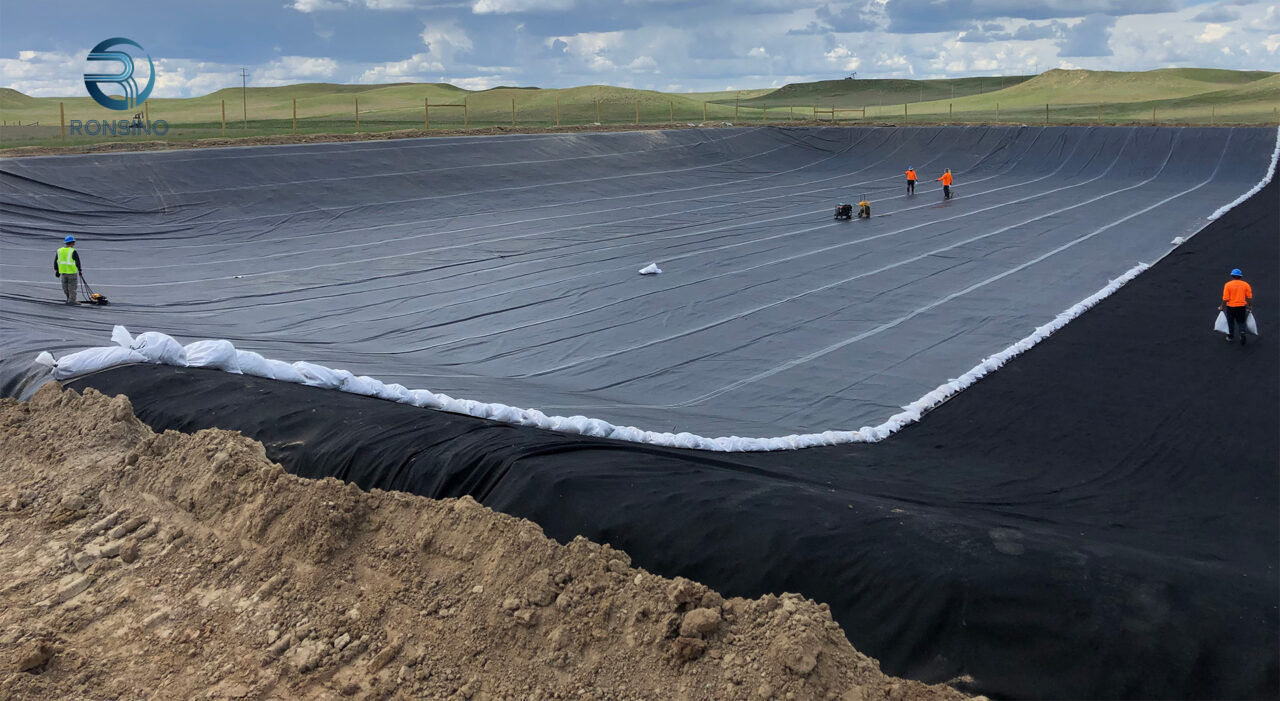
A 1 mm thick high-density polyethylene (HDPE) geomembrane is a flexible, impermeable liner made from HDPE resin. Its base polymer is carefully formulated, typically incorporating 2% to 3% carbon black to enhance UV resistance, along with antioxidants and thermal stabilizers to ensure excellent durability and long-term performance stability even in harsh environments.
1.2 Manufacturing Process
Manufacturers generally adopt sophisticated extrusion processing methods — specifically either flat-die calendering technology or blown-film extrusion craftsmanship — to produce uninterrupted film sheets that boast highly consistent thickness and standardized width. This specialized production process fully ensures stable product uniformity, excellent structural durability, and dependable barrier performance when applied in large-area engineering installation scenarios.
1.3 Significance of the 1mm Thickness
A material thickness requirement set at exactly one millimeter (~forty mils) represents an optimally balanced choice accounting simultaneously form echanical solidity tolerance against shape alteration ,and cost-effectiveness .
It delivers adequate rugged reinforcement fit for medium-to-heavy grade containment projects thereby positioning itself as one ofthe most broadly implemented technical standards spanning across areasofcivil environmental industrialengineering .
2. Key Properties and Advantages of 1mm HDPE Geomembrane
The widespread adoption of 1mm HDPE geomembrane is attributable to its superior engineering properties:
2.1 1mm HDPE Geomembrane – Exceptional Impermeability
HDPE geomembranes exhibit extremely low hydraulic conductivity, typically below 1×10⁻¹³m/s. This characteristic makes it an almost completely impermeable barrier system that can effectively block the migration and diffusion of liquids, gases and various pollutants, thereby providing reliable protection for soil and groundwater resources.
2.2 1mm HDPE Geomembrane – High Mechanical Strength
A 1-millimeter-thick layer offers superior tensile strength properties along with robust tear-resistanceand puncture-resistance characteristics.This feature equipsthe liner productwith sufficient durability againstconsiderable stressors experienced throughoutinstallation phasesand long-term service periods—these includesubsidence of underlying soil layersandthe compressiveoverburden forcegeneratedby accumulated waste materialsor standing water bodies
2.3 1mm HDPE Geomembrane – Outstanding Chemical Resistance
High-density polyethylene exhibits exceptional chemical stability, enabling it to effectively fend off corrosion from diverse corrosive substances; notably, it maintains structural integrity when exposed to concentrated acidic solutions, strong alkaline reagents, saline compounds, and various industrial organic solvents. This outstanding corrosion resistance thus becomes a core performance requirement for storage and isolation engineering scenarios.
For example, it can stably encapsulate high-risk substances including toxic landfill leachate, highly corrosive industrial production residues, and multiple other toxic and harmful chemical products without material degradation or leakage risk.
As a result, HDPE geomembrane products provide reliable, long-lasting protective support for avoiding ecological pollution and ensuring the stable operation of engineering projects throughout their entire service life.
2.4 1mm HDPE Geomembrane – Durability and Long Service Life
Moreover,the addition of carbon black substantially bolsters geonemhranes' abilityto resist harmful ultraviolet (UV) radiation·oxidation and extreme temperature swings between-6o°cand8o°c.Due.to its robust compositionand correct installation,a lmm HDPE geonemhrane reliably ensures long-term functionality.Furthermore,with its protection against mechanical strains,this geonemhrancan confidently havea service lifeofmore than5o years.Therefore,it provides excellent andreliable durabilityfor variousprojects..
2.5 1mm HDPE Geomembrane – Cost-Effectiveness
When stacked up against thicker geomembrane variants with gauges of 1.5mm or 2.0mm, the 1mm-specification liner cuts down raw material expenditures to a remarkable extent. On top of that, it retains outstanding operational performance in a wide range of application scenarios, guaranteeing stable anti-seepage containment and long-lasting protective effects for the covered layers. As a result, it achieves a highly impressive investment return ratio by striking an optimal balance between cost control and practical utility. In addition, its outstanding pliability and hassle-free installation characteristics further boost its on-site applicability. For this reason, for engineering projects that are in need of high-performance and cost-effective seepage-proof solutions, the 1mm geomembrane emerges as a highly rational, efficient optimal option.
3. Critical Applications of 1mm HDPE Geomembrane
The adaptability and utility features of the 1-millimeter HDPE geomembrane enable it to find extensive use in a broad spectrum of sectors.
While its core purpose remains centered on serving as a barrier for containment purposes, the practical application scenarios exhibit significant diversity.
3.1 1mm HDPE Geomembrane – Environmental Containment
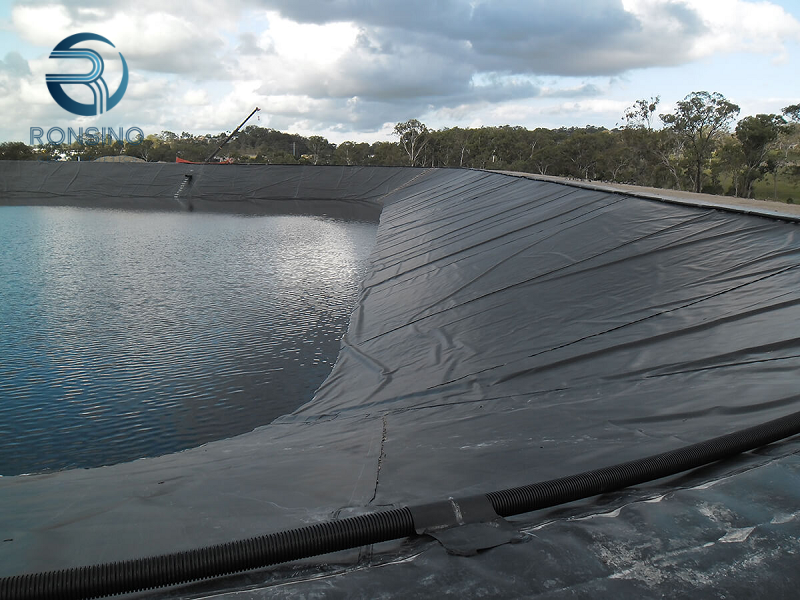
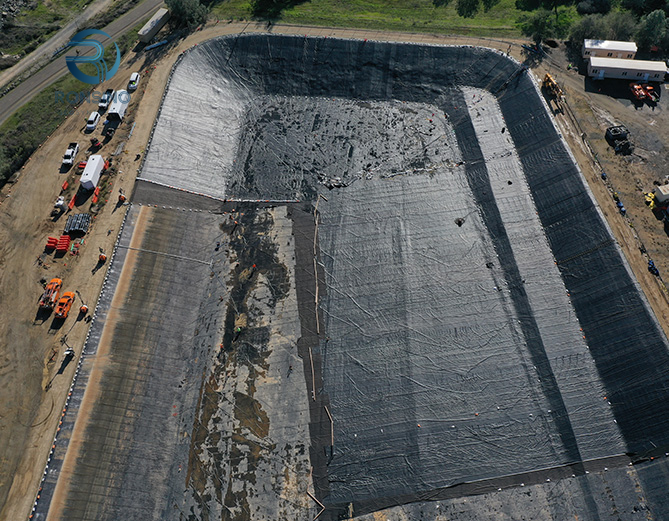
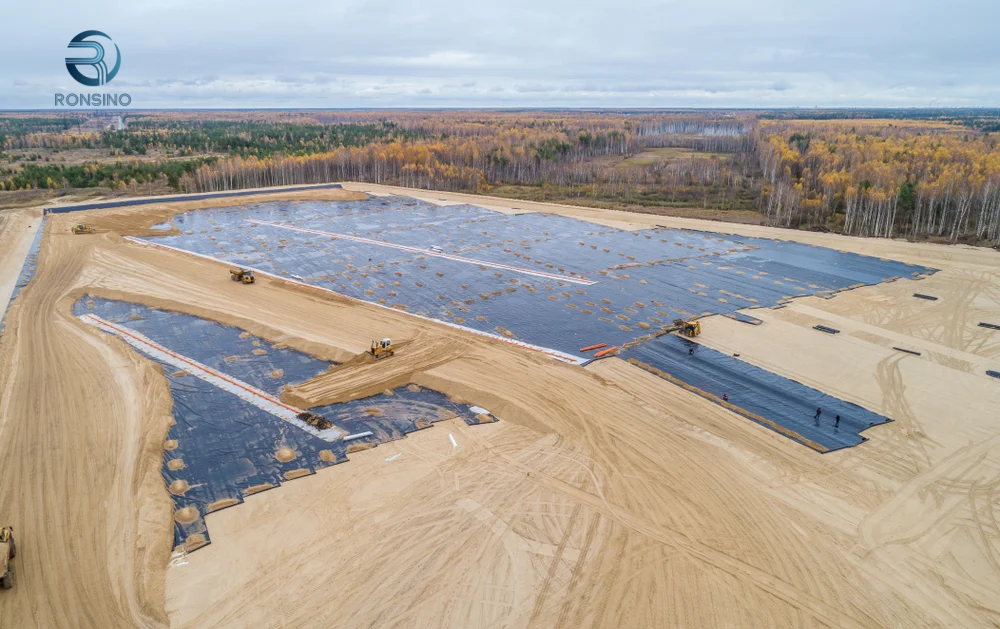
Landfill liners and cover systems: This is one of the key application areas. Geomembranes with a thickness of 1 mm are used as the primary or secondary lining of municipal solid waste landfills and hazardous waste landfills to effectively block the diffusion of leachate and landfill gas, thereby preventing environmental pollution. The material is also suitable for use as the final closure cover of landfills, which can significantly reduce precipitation infiltration.
Sewage treatment and storage tank system: In municipal and industrial wastewater treatment facilities, anaerobic and aerobic treatment tank lining technologies are used, along with anti-seepage measures for equalizing adjustment tanks and storage ponds, to effectively prevent sewage leakage from causing pollution risks to the local aquifer.
3.2 1mm HDPE Geomembrane – Water and Hydraulic Engineering
Drinking Water Storage Impoundments: Utilized as a protective lining for reservoirs designated for potable water storage, effectively cutting down water loss caused by subsurface seepage and forming a robust barrier to stop external pollutants from entering and compromising water quality.
Agricultural Irrigation Channels and Retention Basins: In large-scale agricultural development initiatives, this lining material is installed as the impermeable layer for water conveyance canals and agricultural storage ponds, drastically boosting the water resource utilization efficiency in areas plagued by long-term water scarcity and arid climate.
Ornamental and Leisure Water Installations: Widely adopted in the building of man-made scenic lakes, landscape ponds, and water obstacle zones on golf courses, as it boasts stable long-term performance, low failure rate, and the advantage of convenient on-site installation that shortens construction periods.
3.3 1mm HDPE Geomembrane – Mining and Energy Sector
Heap Leach Pads: In gold, copper, and uranium mining, dilute chemical solutions are sprayed over ore piles to dissolve valuable metals. The 1mm HDPE liner captures the pregnant solution, preventing loss and environmental damage.
Tailings Impoundments: It forms the basal liner for tailings dams, containing the fine-grained, often chemically reactive, waste byproducts of mining operations.
Secondary Containment: It is used as a liner for secondary containment areas around fuel storage tanks, transformer yards, and chemical processing plants to contain spills in accordance with environmental regulations.
3.4 1mm HDPE Geomembrane – Aquaculture and Agriculture
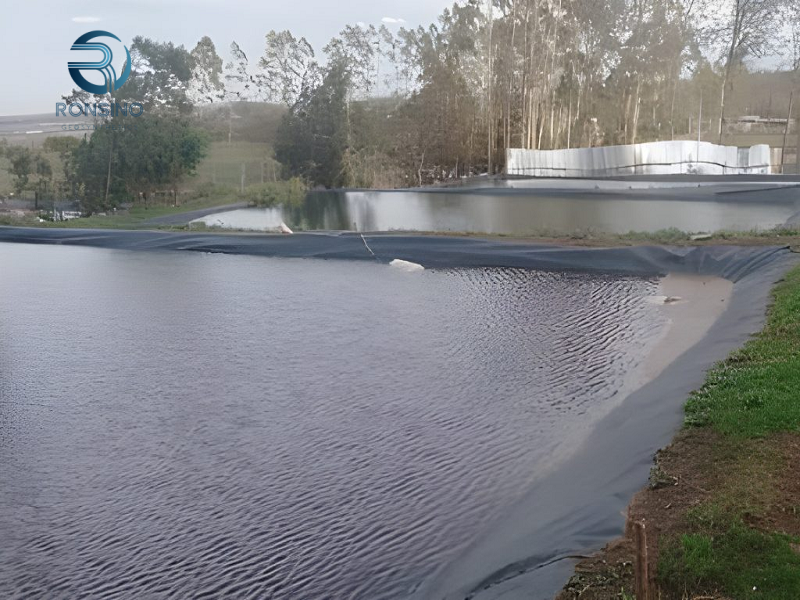
Fish and shrimp farming ponds: By effectively preventing water leakage and completely isolating the farming area from the bottom soil, a clean and easily controllable ecological space is created for aquaculture, thereby significantly enhancing disease prevention and control capabilities and effectively increasing farming yields.
Biogas digester covering membrane: As a flexible product that floats above anaerobic digesters, it is mainly used in agricultural production and waste treatment sites to collect biogas (mainly methane) for energy conversion and utilization.
4. Installation and Welding Considerations for 1mm Geomembrane
The performance of the liner is entirely dependent on the quality of its installation. Key steps include:
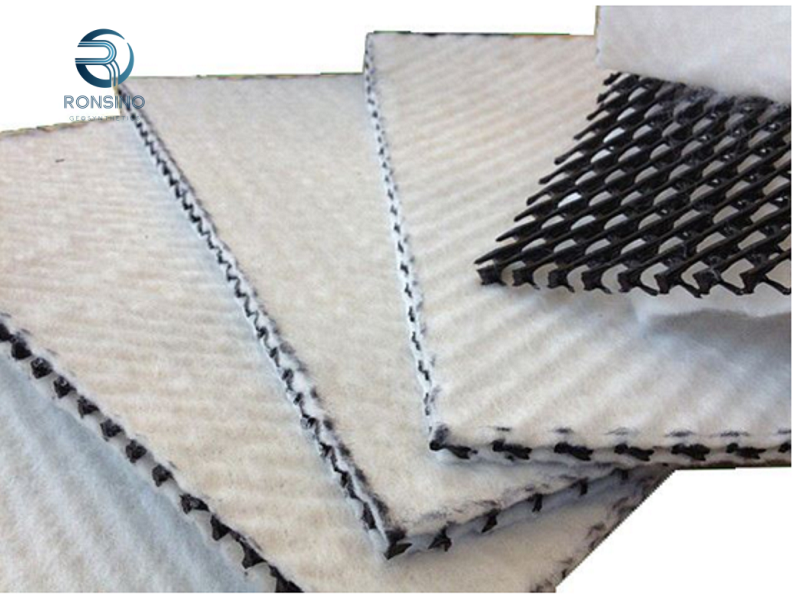
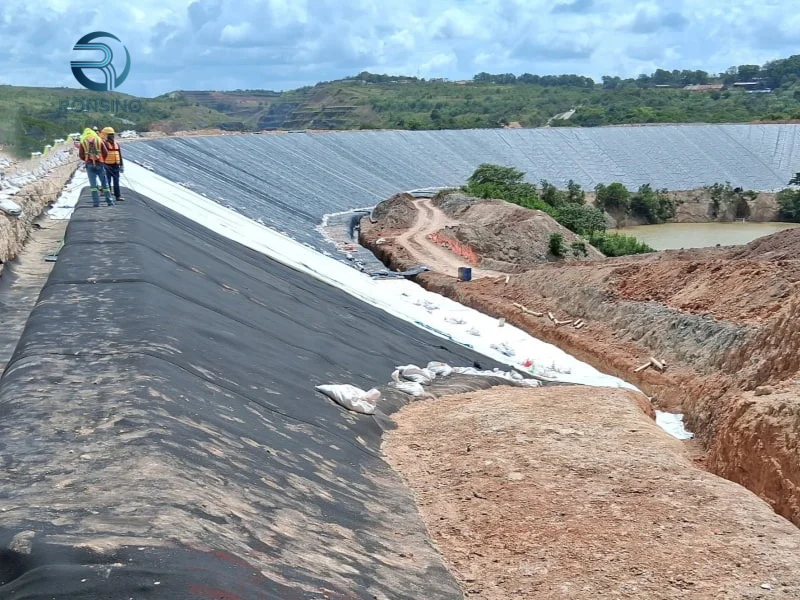
Subgrade treatment: The foundation layer needs to be precisely leveled and compacted to ensure that there are no sharp objects, gravel, roots, or other impurities on the surface that could puncture the impermeable layer. A layer of geotextile is usually laid as a protective cushion layer beneath the impermeable structure.
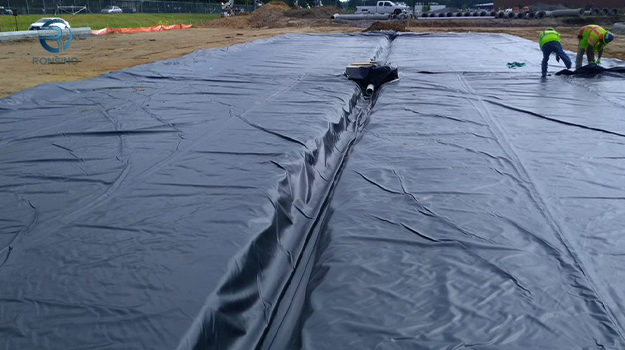
Panel Deployment:Rolls are deployed on the prepared subgrade, with panels overlapping by a specified amount (typically 100-150mm) to facilitate welding.
Welding: Creating continuous, robust seams is critical. The two primary methods are:
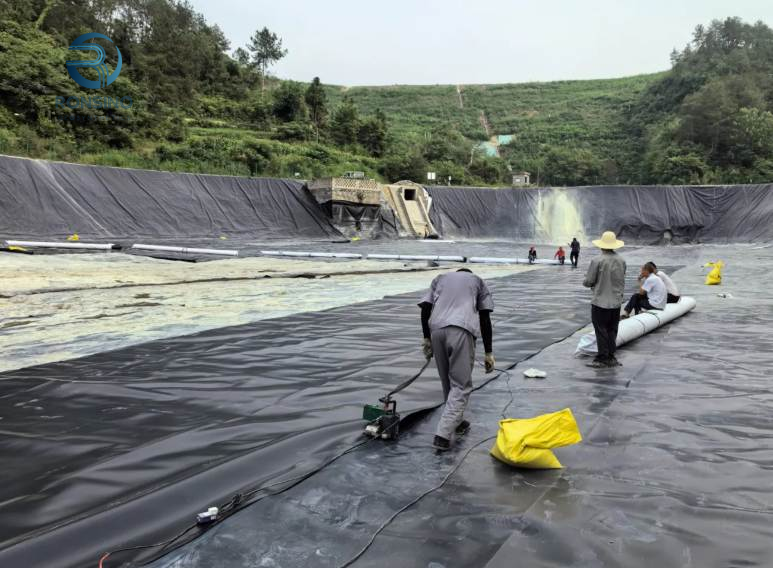
Double-wedge hot welding process: An automated machine moves at a constant speed along the overlapping area of the materials to be joined, simultaneously heating the two layers of plates and applying stable pressure to melt them and bond them tightly into a whole. This process creates two independent welding channels, a main channel and a secondary channel, and the sealing integrity and joint strength of the weld can be verified by air pressure testing.
Extrusion Welding: A specialized portable handheld tool continuously ejects a uniform molten bead of high-density polyethylene material, which firmly fuses overlapping geomembrane sheets or precisely adheres to structural details surrounding penetration points like pipe openings and joint junctions. This reliable construction technique is widely applied in scenarios such as patching local damaged areas, repairing construction defects, and handling welding work in irregular, complex geometric regions.
Quality Assurance and Quality Control (QA/QC): Each welded joint undergoes rigorous non-destructive examination (such as pneumatic pressure checks on double-welded seams) and destructive analysis (with specimens dispatched to a laboratory for peel and shear evaluations) to verify that the seam’s tensile strength surpasses that of the base material.
5. How to Choose the Right 1mm HDPE Geomembrane?
Identifying the optimal 1mm HDPE geomembrane necessitates a comprehensive assessment of various technical and site-specific parameters. The following detailed framework aims to facilitate your selection process.
5.1 Determine Project Requirements
Commence with the precise specification of the geomembrane’s core purpose. Is its intended role to facilitate containment, serve as a lining, provide barrier safeguarding, or function as a cap? Utilitarian scenarios including ornamental water features, agricultural retention basins, supplementary environmental enclosures, and interim protective coverings frequently find optimal value in the 1mm gauge, which adeptly harmonizes operational efficacy with cost-efficiency.
5.2 Verify Key Material Properties
Carbon Black Concentration: It is imperative that the geomembrane incorporates a carbon black content ranging from 2% to 3%. This additive plays a critical role in ensuring the material’s durability against ultraviolet radiation, oxidative processes, and thermal fluctuations spanning from –60°C to 80°C.
Corrosion Resistance: Ensure compatibility with all substances that will come into contact with it. HDPE demonstrates remarkable chemical inertness, providing outstanding protection against acids, bases, salt solutions, and a wide array of industrial compounds, which renders it particularly suitable for containment systems in leachate reservoirs or farming environments.
5.3 Evaluate Quality and Certification
Always opt for a geomembrane that adheres to globally acknowledged benchmarks. Seek validation against GRI GM13 or equivalent industry criteria. This ensures uniform material characteristics, precise dimensional thickness, and reliable tensile performance.
5.4 Consider Surface Texture
Choose the optimal surface texture according to the specific demands of slope stability:
Polished Finish: Ideal for level base liners and scenarios where minimal friction resistance is permissible.
Textured Finish: Crucial for inclined surfaces, embankments, or waste containment systems to augment interfacial shear resistance and mitigate sliding risks.
5.5 Assess Installation and Environmental Conditions
Ultimately, the installation setting must be carefully evaluated. Thorough subgrade preparation and the use of appropriate protective geotextiles are essential, particularly when dealing with unstable soil conditions. With proper installation and adequate safeguards, a 1mm thick HDPE geomembrane can provide reliable performance for over five decades.
Through a comprehensive assessment of these critical factors—intended use, material specifications, relevant certifications, surface conditions, and environmental requirements—you can make an informed choice when selecting a 1mm HDPE geomembrane, ensuring optimal functionality, long-lasting resilience, and superior value for your investment.
6. Conclusion
A 1-millimeter high-density polyethylene geomembrane transcends the perception of a mere polymer film; it represents a meticulously engineered system that is critical for safeguarding ecological balance and preserving essential natural assets. The synergistic combination of its precise gauge, structural durability, chemical resistance, and extended service life establishes it as a fundamental component for professionals and stakeholders in the construction sector worldwide. Whether employed in the foundational sealing of waste disposal sites or the lining of liquid storage facilities, its functionality is integral to resilient and contemporary civil engineering projects. With continuous innovation in material science and laying methodologies, the performance and reliability of HDPE geomembranes are consistently enhanced, reinforcing their pivotal role in geotechnical applications. Opting for a premium-grade 1mm HDPE geomembrane and engaging qualified professionals for its deployment is a strategic decision that guarantees the integrity, regulatory adherence, and ultimate viability of any containment endeavor. For further assistance, reach out to the specialists in geosynthetic materials --RONSINO Geosynthetics.
1.1 Definition and Material Composition
A 1 mm thick high-density polyethylene (HDPE) geomembrane is a flexible, impermeable liner made from HDPE resin. Its base polymer is carefully formulated, typically incorporating 2% to 3% carbon black to enhance UV resistance, along with antioxidants and thermal stabilizers to ensure excellent durability and long-term performance stability even in harsh environments.
1.2 Manufacturing Process
Manufacturers generally adopt sophisticated extrusion processing methods — specifically either flat-die calendering technology or blown-film extrusion craftsmanship — to produce uninterrupted film sheets that boast highly consistent thickness and standardized width. This specialized production process fully ensures stable product uniformity, excellent structural durability, and dependable barrier performance when applied in large-area engineering installation scenarios.
1.3 Significance of the 1mm Thickness
A material thickness requirement set at exactly one millimeter (~forty mils) represents an optimally balanced choice accounting simultaneously form echanical solidity tolerance against shape alteration ,and cost-effectiveness .
It delivers adequate rugged reinforcement fit for medium-to-heavy grade containment projects thereby positioning itself as one ofthe most broadly implemented technical standards spanning across areasofcivil environmental industrialengineering .
2. Key Properties and Advantages of 1mm HDPE Geomembrane
The widespread adoption of 1mm HDPE geomembrane is attributable to its superior engineering properties:
2.1 1mm HDPE Geomembrane – Exceptional Impermeability
HDPE geomembranes exhibit extremely low hydraulic conductivity, typically below 1×10⁻¹³m/s. This characteristic makes it an almost completely impermeable barrier system that can effectively block the migration and diffusion of liquids, gases and various pollutants, thereby providing reliable protection for soil and groundwater resources.
2.2 1mm HDPE Geomembrane – High Mechanical Strength
A 1-millimeter-thick layer offers superior tensile strength properties along with robust tear-resistanceand puncture-resistance characteristics.This feature equipsthe liner productwith sufficient durability againstconsiderable stressors experienced throughoutinstallation phasesand long-term service periods—these includesubsidence of underlying soil layersandthe compressiveoverburden forcegeneratedby accumulated waste materialsor standing water bodies
2.3 1mm HDPE Geomembrane – Outstanding Chemical Resistance
High-density polyethylene exhibits exceptional chemical stability, enabling it to effectively fend off corrosion from diverse corrosive substances; notably, it maintains structural integrity when exposed to concentrated acidic solutions, strong alkaline reagents, saline compounds, and various industrial organic solvents. This outstanding corrosion resistance thus becomes a core performance requirement for storage and isolation engineering scenarios.
For example, it can stably encapsulate high-risk substances including toxic landfill leachate, highly corrosive industrial production residues, and multiple other toxic and harmful chemical products without material degradation or leakage risk.
As a result, HDPE geomembrane products provide reliable, long-lasting protective support for avoiding ecological pollution and ensuring the stable operation of engineering projects throughout their entire service life.
2.4 1mm HDPE Geomembrane – Durability and Long Service Life
Moreover,the addition of carbon black substantially bolsters geonemhranes' abilityto resist harmful ultraviolet (UV) radiation·oxidation and extreme temperature swings between-6o°cand8o°c.Due.to its robust compositionand correct installation,a lmm HDPE geonemhrane reliably ensures long-term functionality.Furthermore,with its protection against mechanical strains,this geonemhrancan confidently havea service lifeofmore than5o years.Therefore,it provides excellent andreliable durabilityfor variousprojects..
2.5 1mm HDPE Geomembrane – Cost-Effectiveness
When stacked up against thicker geomembrane variants with gauges of 1.5mm or 2.0mm, the 1mm-specification liner cuts down raw material expenditures to a remarkable extent. On top of that, it retains outstanding operational performance in a wide range of application scenarios, guaranteeing stable anti-seepage containment and long-lasting protective effects for the covered layers. As a result, it achieves a highly impressive investment return ratio by striking an optimal balance between cost control and practical utility. In addition, its outstanding pliability and hassle-free installation characteristics further boost its on-site applicability. For this reason, for engineering projects that are in need of high-performance and cost-effective seepage-proof solutions, the 1mm geomembrane emerges as a highly rational, efficient optimal option.
3. Critical Applications of 1mm HDPE Geomembrane
The adaptability and utility features of the 1-millimeter HDPE geomembrane enable it to find extensive use in a broad spectrum of sectors.
While its core purpose remains centered on serving as a barrier for containment purposes, the practical application scenarios exhibit significant diversity.
3.1 1mm HDPE Geomembrane – Environmental Containment
Landfill liners and cover systems: This is one of the key application areas. Geomembranes with a thickness of 1 mm are used as the primary or secondary lining of municipal solid waste landfills and hazardous waste landfills to effectively block the diffusion of leachate and landfill gas, thereby preventing environmental pollution. The material is also suitable for use as the final closure cover of landfills, which can significantly reduce precipitation infiltration.
Sewage treatment and storage tank system: In municipal and industrial wastewater treatment facilities, anaerobic and aerobic treatment tank lining technologies are used, along with anti-seepage measures for equalizing adjustment tanks and storage ponds, to effectively prevent sewage leakage from causing pollution risks to the local aquifer.
3.2 1mm HDPE Geomembrane – Water and Hydraulic Engineering
Drinking Water Storage Impoundments: Utilized as a protective lining for reservoirs designated for potable water storage, effectively cutting down water loss caused by subsurface seepage and forming a robust barrier to stop external pollutants from entering and compromising water quality.
Agricultural Irrigation Channels and Retention Basins: In large-scale agricultural development initiatives, this lining material is installed as the impermeable layer for water conveyance canals and agricultural storage ponds, drastically boosting the water resource utilization efficiency in areas plagued by long-term water scarcity and arid climate.
Ornamental and Leisure Water Installations: Widely adopted in the building of man-made scenic lakes, landscape ponds, and water obstacle zones on golf courses, as it boasts stable long-term performance, low failure rate, and the advantage of convenient on-site installation that shortens construction periods.
3.3 1mm HDPE Geomembrane – Mining and Energy Sector
Heap Leach Pads: In gold, copper, and uranium mining, dilute chemical solutions are sprayed over ore piles to dissolve valuable metals. The 1mm HDPE liner captures the pregnant solution, preventing loss and environmental damage.
Tailings Impoundments: It forms the basal liner for tailings dams, containing the fine-grained, often chemically reactive, waste byproducts of mining operations.
Secondary Containment: It is used as a liner for secondary containment areas around fuel storage tanks, transformer yards, and chemical processing plants to contain spills in accordance with environmental regulations.
3.4 1mm HDPE Geomembrane – Aquaculture and Agriculture
Fish and shrimp farming ponds: By effectively preventing water leakage and completely isolating the farming area from the bottom soil, a clean and easily controllable ecological space is created for aquaculture, thereby significantly enhancing disease prevention and control capabilities and effectively increasing farming yields.
Biogas digester covering membrane: As a flexible product that floats above anaerobic digesters, it is mainly used in agricultural production and waste treatment sites to collect biogas (mainly methane) for energy conversion and utilization.
4. Installation and Welding Considerations for 1mm Geomembrane
The performance of the liner is entirely dependent on the quality of its installation. Key steps include:
Subgrade treatment: The foundation layer needs to be precisely leveled and compacted to ensure that there are no sharp objects, gravel, roots, or other impurities on the surface that could puncture the impermeable layer. A layer of geotextile is usually laid as a protective cushion layer beneath the impermeable structure.
Panel Deployment:Rolls are deployed on the prepared subgrade, with panels overlapping by a specified amount (typically 100-150mm) to facilitate welding.
Welding: Creating continuous, robust seams is critical. The two primary methods are:
Double-wedge hot welding process: An automated machine moves at a constant speed along the overlapping area of the materials to be joined, simultaneously heating the two layers of plates and applying stable pressure to melt them and bond them tightly into a whole. This process creates two independent welding channels, a main channel and a secondary channel, and the sealing integrity and joint strength of the weld can be verified by air pressure testing.
Extrusion Welding: A specialized portable handheld tool continuously ejects a uniform molten bead of high-density polyethylene material, which firmly fuses overlapping geomembrane sheets or precisely adheres to structural details surrounding penetration points like pipe openings and joint junctions. This reliable construction technique is widely applied in scenarios such as patching local damaged areas, repairing construction defects, and handling welding work in irregular, complex geometric regions.
Quality Assurance and Quality Control (QA/QC): Each welded joint undergoes rigorous non-destructive examination (such as pneumatic pressure checks on double-welded seams) and destructive analysis (with specimens dispatched to a laboratory for peel and shear evaluations) to verify that the seam’s tensile strength surpasses that of the base material.
5. How to Choose the Right 1mm HDPE Geomembrane?
Identifying the optimal 1mm HDPE geomembrane necessitates a comprehensive assessment of various technical and site-specific parameters. The following detailed framework aims to facilitate your selection process.
5.1 Determine Project Requirements
Commence with the precise specification of the geomembrane’s core purpose. Is its intended role to facilitate containment, serve as a lining, provide barrier safeguarding, or function as a cap? Utilitarian scenarios including ornamental water features, agricultural retention basins, supplementary environmental enclosures, and interim protective coverings frequently find optimal value in the 1mm gauge, which adeptly harmonizes operational efficacy with cost-efficiency.
5.2 Verify Key Material Properties
Carbon Black Concentration: It is imperative that the geomembrane incorporates a carbon black content ranging from 2% to 3%. This additive plays a critical role in ensuring the material’s durability against ultraviolet radiation, oxidative processes, and thermal fluctuations spanning from –60°C to 80°C.
Corrosion Resistance: Ensure compatibility with all substances that will come into contact with it. HDPE demonstrates remarkable chemical inertness, providing outstanding protection against acids, bases, salt solutions, and a wide array of industrial compounds, which renders it particularly suitable for containment systems in leachate reservoirs or farming environments.
5.3 Evaluate Quality and Certification
Always opt for a geomembrane that adheres to globally acknowledged benchmarks. Seek validation against GRI GM13 or equivalent industry criteria. This ensures uniform material characteristics, precise dimensional thickness, and reliable tensile performance.
5.4 Consider Surface Texture
Choose the optimal surface texture according to the specific demands of slope stability:
Polished Finish: Ideal for level base liners and scenarios where minimal friction resistance is permissible.
Textured Finish: Crucial for inclined surfaces, embankments, or waste containment systems to augment interfacial shear resistance and mitigate sliding risks.
5.5 Assess Installation and Environmental Conditions
Ultimately, the installation setting must be carefully evaluated. Thorough subgrade preparation and the use of appropriate protective geotextiles are essential, particularly when dealing with unstable soil conditions. With proper installation and adequate safeguards, a 1mm thick HDPE geomembrane can provide reliable performance for over five decades.
Through a comprehensive assessment of these critical factors—intended use, material specifications, relevant certifications, surface conditions, and environmental requirements—you can make an informed choice when selecting a 1mm HDPE geomembrane, ensuring optimal functionality, long-lasting resilience, and superior value for your investment.
6. Conclusion
A 1-millimeter high-density polyethylene geomembrane transcends the perception of a mere polymer film; it represents a meticulously engineered system that is critical for safeguarding ecological balance and preserving essential natural assets. The synergistic combination of its precise gauge, structural durability, chemical resistance, and extended service life establishes it as a fundamental component for professionals and stakeholders in the construction sector worldwide. Whether employed in the foundational sealing of waste disposal sites or the lining of liquid storage facilities, its functionality is integral to resilient and contemporary civil engineering projects. With continuous innovation in material science and laying methodologies, the performance and reliability of HDPE geomembranes are consistently enhanced, reinforcing their pivotal role in geotechnical applications. Opting for a premium-grade 1mm HDPE geomembrane and engaging qualified professionals for its deployment is a strategic decision that guarantees the integrity, regulatory adherence, and ultimate viability of any containment endeavor. For further assistance, reach out to the specialists in geosynthetic materials --RONSINO Geosynthetics.