What Is The Cost of Geotextile Fabric?
Blog · 2026-10-17 · 0 views
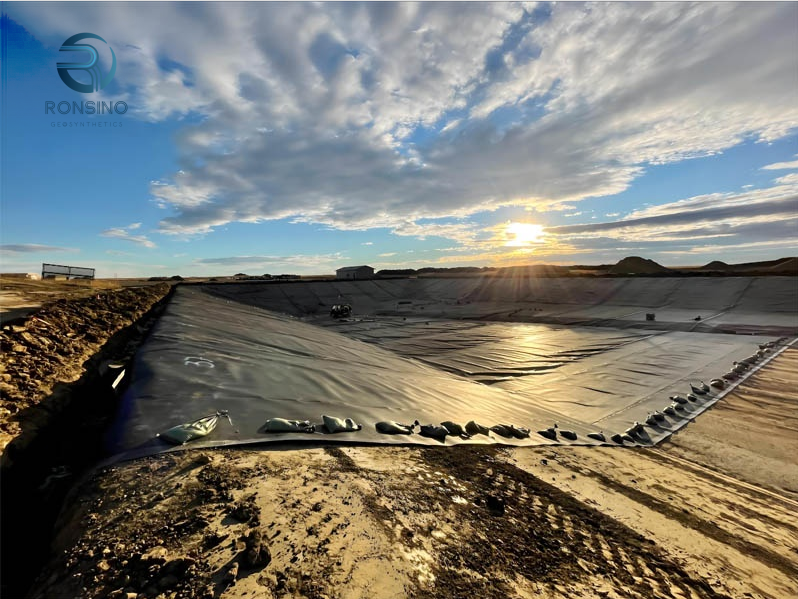
Geo fabric, commonly referred to as geotextile material, represents an indispensable geosynthetic element employed in civil engineering, landscape architecture, and environmental initiatives to bolster soil integrity, mitigate erosion, and enhance water management. As global infrastructure investments are anticipated to surge to $9.5 trillion by 2030, fueled by rapid urbanization and eco-conscious imperatives (Geosynthetics Magazine, 2024), geo fabrics have become indispensable for diverse applications including roadway development, waste containment systems, and shoreline safeguarding. Comprehending the economic aspects of geo fabric is crucial for project leaders, construction firms, and technical professionals seeking to balance fiscal efficiency with long-term reliability and functionality.
Geo fabric expenditures generally fluctuate between $0.09 and $5.00 per square foot ($1.00–$54.00 per square meter), contingent upon variables including fabric classification, raw material composition, density, fabrication techniques, and project magnitude. This authoritative resource delivers empirically grounded analysis, detailed technical parameters, and practical methodologies to empower stakeholders in making strategic choices for 2025 endeavors. From reinforcing highway substructures to crafting eco-friendly terrains, this narrative furnishes the expertise required to harmonize economic considerations with performance excellence.
1. What is Geo Fabric?
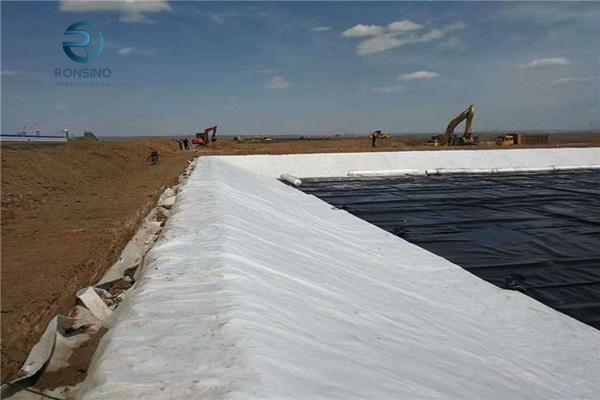
Geotextiles are permeable textile materials typically manufactured from synthetic polymers—such as polypropylene (PP) or polyester (PET)—or natural fibers like jute and coir. Specifically designed for geotechnical engineering applications, geotextiles can enhance soil performance by 20–50% while reducing maintenance costs by 15–25% compared to traditional materials like gravel or concrete (Source: *Geosynthetics Journal*, 2024). They are available in woven, non-woven, and knitted forms, each optimized for specific functions such as separation, filtration, drainage, reinforcement, and erosion control. Key application areas include:
Road Construction: Reduces material requirements by 20–30% by preventing the intermixing of aggregates, resulting in savings of $50,000 per lane-mile (Eastgate Supply, 2024).
Soil Conservation: Reduces soil loss on riverbanks and slopes by 80–95% (Geobera, 2022).
Drainage Systems: Facilitates water flow at a rate of 100–140 gallons per minute (GPM) per square foot, with 90% of systems designed to prevent clogging (Sandbaggy, 2024).
Landfill Liners: Improves leachate containment by 95%, significantly lowering environmental risks (Environmental Expert, 2023).
Landscaping: Effectively suppresses weed growth, cutting maintenance costs by 40% (Geofantex, 2024).
Key Technical Parameters
The performance of geotextiles depends on several technical specifications, which directly influence their functionality and cost-effectiveness:
Tensile Strength: 10–100 kN/m for woven types (ASTM D4595) and 5–30 kN/m for non-woven types (ASTM D5261).
Puncture Resistance: 200–800 N for woven types and 100–400 N for non-woven types (ASTM D4833).
Permeability: 0.01–0.1 cm/s, ensuring efficient water flow (ASTM D4491).
Unit Weight: 100–800 grams per square meter (GSM), with 200–400 GSM suitable for most standard applications.
Thickness: 0.5–5.0 mm; 1–2 mm specifications are typically used for medium-strength projects.
Roll Dimensions: Width of 3–6 meters; length of 50–300 meters.
UV Resistance: Retains 90% of strength after 500 hours of exposure (ASTM D4355). Certification Standards: Compliant with ISO 9001, SGS, and ASTM quality certification systems.
These parameters enable the geotextile to be widely used for diverse engineering requirements, ranging from light-duty landscaping to heavy-duty infrastructure projects.
2. Factors Influencing Geo Fabric Cost
Geosynthetic textile costs exhibit considerable fluctuations due to a multitude of variables, each element influencing the total expenditure of any given undertaking. Subsequently, we delve into these determinants utilizing empirically validated insights from the sector, thereby offering enhanced transparency for ventures planned in 2025.
2.1 Geo Fabric Cost – Type of Geo Fabric
The pricing of geotextile materials is significantly influenced by their diverse production methods and functional attributes.
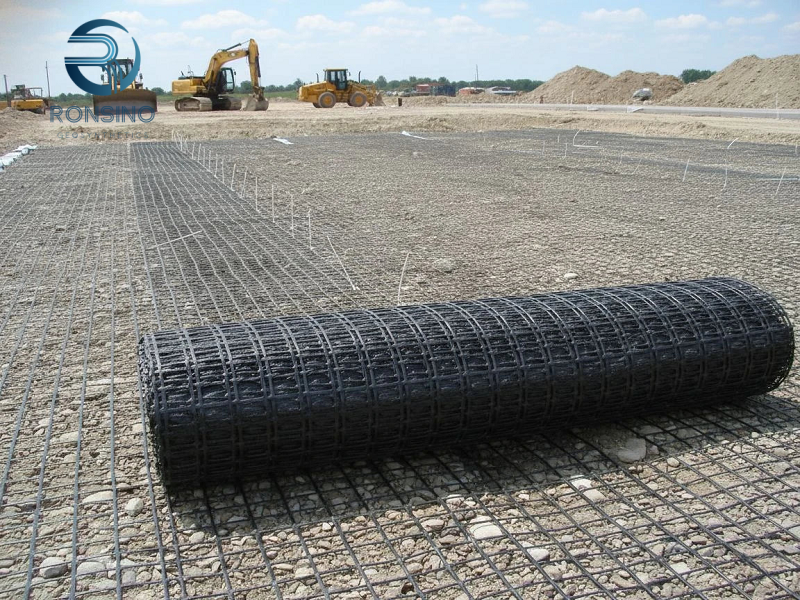
Woven Geotextiles: These are constructed from interlaced polypropylene (PP) or polyester (PET) filaments, delivering exceptional tensile strength (20–100 kN/m) and minimal elongation (15–25%), making them suitable for stabilizing soils in transportation infrastructure and earthworks. Their market value spans $0.30–$0.70 per square foot ($3.20–$7.50 per square meter), with heavy-duty variants (400 GSM) commanding premium rates. Woven varieties dominate 35% of the market owing to their robustness (RONSINO Geosynthetics, 2024).
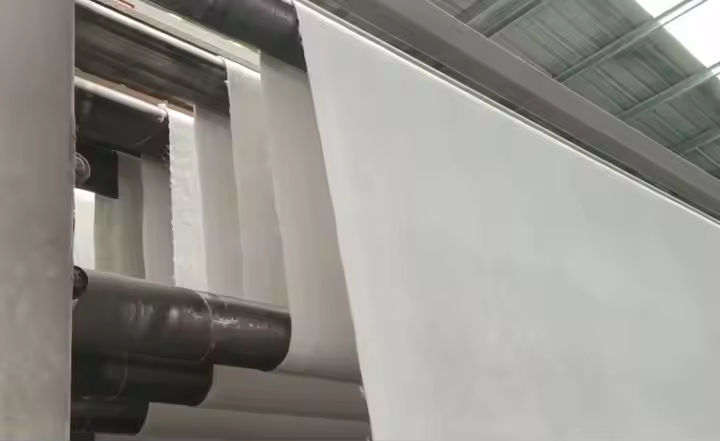
Non-Woven Geotextiles: Manufactured through needle-punching or thermal fusion processes, these materials exhibit high permeability (0.5–2 sec⁻¹), facilitating effective filtration and drainage. Priced between $0.15–$0.50 per square foot ($1.60–$5.40 per square meter), lighter versions (100–200 GSM) are more economical, securing a 55% market share (RONSINO Geosynthetics, 2024).
Knitted Geotextiles: Featuring interlocked yarn loops, these products combine flexibility and strength, with costs ranging from $0.20–$0.60 per square foot ($2.15–$6.46 per square meter). Their applications are specialized, such as erosion mitigation (Alibaba, 2024).
Geotextile Tubes/Bags: Engineered for sediment dewatering and coastal defense, these items incur higher expenses ($0.50–$5.00 per square foot or $5.38–$54.00 per square meter) due to intricate fabrication and UV-resistant properties.
Key Insight: Non-woven geotextiles are 20–30% more affordable than woven counterparts because of their simpler manufacturing, though woven options provide 20% greater tensile strength for reinforcement purposes.
2.2 Geo Fabric Cost – Material Composition
The choice of raw materials is critical to both economic cost and long-term durability.
Polypropylene (PP): Accounts for 80% of the market share; features a tensile strength of 100–800 lbs (ASTM D4595) and high UV stability. Priced at $0.15–$1.00 per square foot, it offers excellent chemical resistance and is suitable for harsh environments.
Polyester (PET): Durable but possesses poor UV resistance. Priced at $0.20–$1.50 per square foot, it is primarily used for subsurface reinforcement (e.g., in embankments).
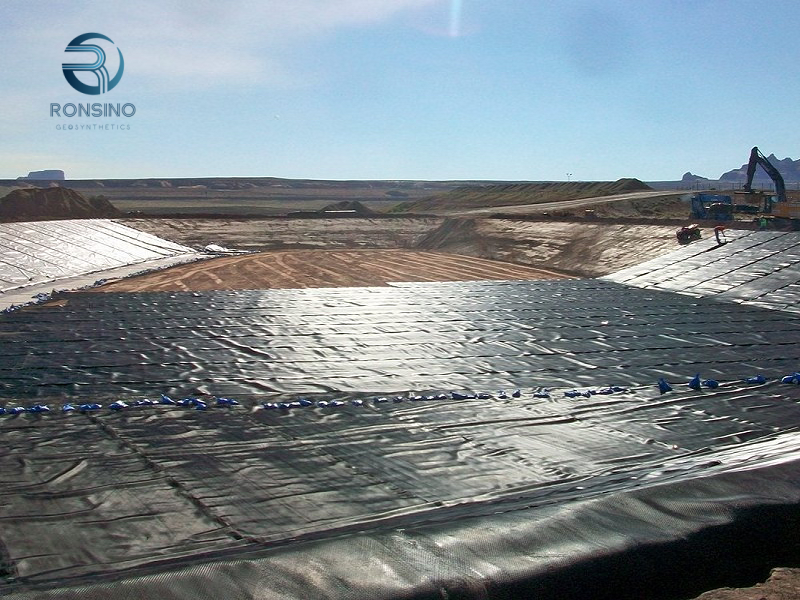
Polyethylene (PE): Used for impermeable liners in landfills; priced at $0.25–$0.55 per square foot.
Natural fibers (jute/coir): Eco-friendly and biodegradable. Priced at $0.10–$0.40 per square foot, they have a short lifespan and are suitable for temporary soil stabilization.
Recycled materials: Contain 15–30% recycled PP/PET, reducing costs by 10–20% and the carbon footprint by 15%.
Key takeaway: PP offers the best balance of cost-effectiveness and durability; natural fibers are ideal for short-term, eco-friendly projects, providing cost savings of 10–20%.
2.3 Geo Fabric Cost – Weight and Thickness
Material density and structural depth are critical determinants of both economic expenditure and functional efficacy.
Grams per Square Meter (GSM): Spanning from 100 to 800 GSM, lightweight variants (100–200 GSM) typically range between $0.15–$0.30 per square foot ($1.60–$3.20 per square meter), whereas heavyweight counterparts (400–800 GSM) escalate to $0.40–$1.00 per square foot ($4.30–$10.76 per square meter), reflecting heightened raw material consumption (FavouriteHub, 2025).
Depth Measurement: Varying from 0.5 to 5.0 mm, expanded layers (2–5 mm) deliver a 25% improvement in puncture resilience (404 lbs, ASTM D4833) but simultaneously inflate expenses by 15–20% (Amazon, 2024).
Core Observation: Elevated mass and augmented thickness amplify longevity by 25% while elevating expenditures by 15–30%, necessitating precise calibration to prevent financial overrun.
2.4 Geo Fabric Cost – Manufacturing Processes
The manufacturing process plays a pivotal role in determining both expenditure and functionality.
Needle-Punched Non-Woven: Economically priced between $0.15 and $0.50 per square foot ($1.60–$5.40 per square meter), these materials excel in facilitating rapid fluid movement for filtration and drainage purposes (Water Pollution Solutions, 2024).
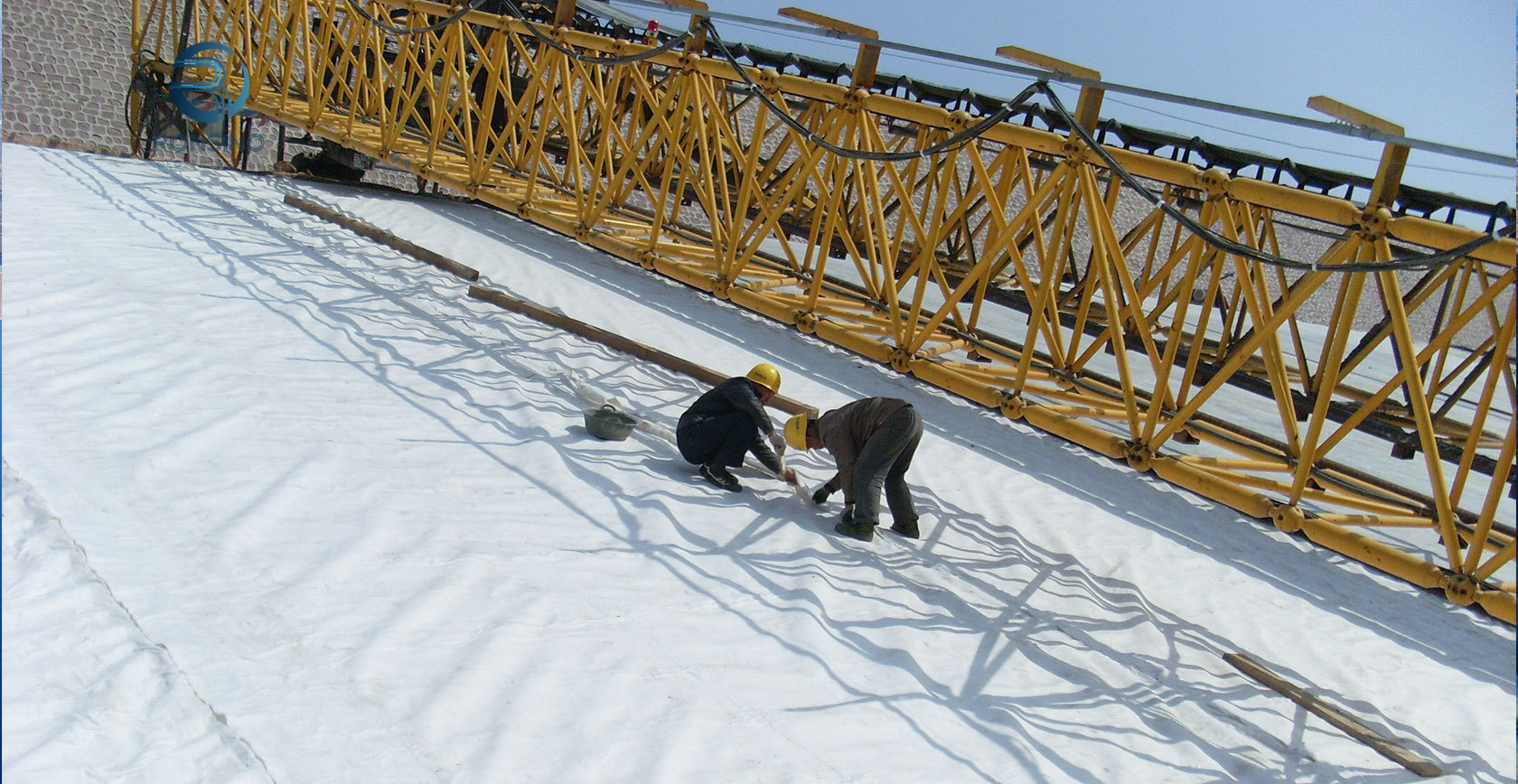
Woven Fabrics: Constructed from high-tenacity yarns, weaving significantly enhances tensile resilience (20–100 kN/m) but elevates expenses by 10–20%, ranging from $0.30 to $0.70 per square foot ($3.20–$7.50 per square meter) (OKorder, 2024).
Special Treatments: Incorporating UV-resistant coatings, chemical inhibitors, or polymer agents (such as Agent-X) adds $0.05–$0.30 per square foot yet substantially augments service longevity by 20–30% (Basic Concepts, 2024).
Key Insight: Needle-punched non-woven fabrics present a cost-efficient solution for drainage systems, whereas woven and enhanced variants command higher investments but deliver unmatched durability and structural robustness.
2.5 Geo Fabric Cost – Roll Size and Dimensions
Geotextiles are typically supplied in rolls, and their specifications directly influence procurement cost-effectiveness.
Standard specifications: Rolls generally range from 3 to 6 meters in width and 50 to 300 meters in length. For instance, a roll of non-woven geotextile measuring 15 ft × 300 ft (4,500 sq ft) with a surface density of 4 oz typically costs between $675 and $1,350 (Source: Paramount Materials, 2024). Custom, non-standard cutting increases costs by 5% to 10% due to material waste.
Bulk procurement: For orders exceeding 50,000 square feet, economies of scale can reduce costs by 10% to 30% (Source: EarthShields, 2021).
Key takeaway: Opting for standard roll sizes and bulk purchasing can yield savings of 10% to 30%, whereas custom cutting incurs an additional 5% to 10% in costs due to material waste.
2.6 Geo Fabric Cost – Project Scale and Order Volume
Significantly increasing procurement volume can lead to substantial cost reductions.
For small orders (under 10,000 square feet), the unit price ranges from $0.20 to $1.00 per square foot, subject to minimum order quantity requirements (RONSINO Geosynthetics, 2024).
For large orders (exceeding 50,000 square feet), the unit price decreases to $0.15–$0.70 per square foot, with an additional discount of 10–30% (RONSINO Geosynthetics, 2024).
Key takeaway: Large-scale projects can achieve cost savings of 10–30% through bulk ordering—a strategy particularly well-suited for infrastructure projects.
2.7 Geo Fabric Cost – Regional and Supplier Variations
Costs fluctuate depending on geographical location and the chosen vendor.
North America: The expense ranges from $0.15 to $0.70 per square foot, a result of elevated wage expenses and rigorous compliance requirements (Geobera, 2022).
Asia-Pacific: The rate falls between $0.10 and $0.50 per square foot, attributed to economical manufacturing hubs in China and India (RONSINO Geosynthetics, 2024).
Europe: Pricing spans $0.20 to $0.80 per square foot, mirroring rigorous quality benchmarks (Geobera, 2022).
Top-Tier Providers: Renowned names such as Mirafi and TenCate impose a 10–15% premium for goods adhering to ASTM D4595 standards, guaranteeing 95% consistency (Paramount Materials, 2024).
Core Takeaway: Procuring from the Asia-Pacific region can yield 10–20% savings, yet vendors with certifications deliver a service life that is 20% more enduring.
2.8 Geo Fabric Cost – Market and Economic Factors
Pricing decisions are shaped by a range of external variables.
Raw Material Expenses: The cost of polypropylene escalated by 8% during 2025, driven by erratic crude oil pricing, which in turn inflated geotextile expenditures by 5–10%.
Logistical Networks: Severe port bottlenecks in 2025 led to a 5% surge in North American freight charges (RONSINO Geosynthetics, 2024).
Eco-Friendly Shifts: Demand for recycled geotextiles surged 15%, trimming production expenses by 10–20% (Textile Exchange, 2024).
Core Finding: Financial volatility and sustainability pressures collectively alter costs by 5–20%, necessitating adaptive procurement approaches.
3. Geo Fabric Cost Breakdown
Market analysis for 2025 indicates that the price range for geotextiles is $0.09–$5.00 per square foot ($1.00–$54.00 per square meter). A cost breakdown by type and application is provided below:
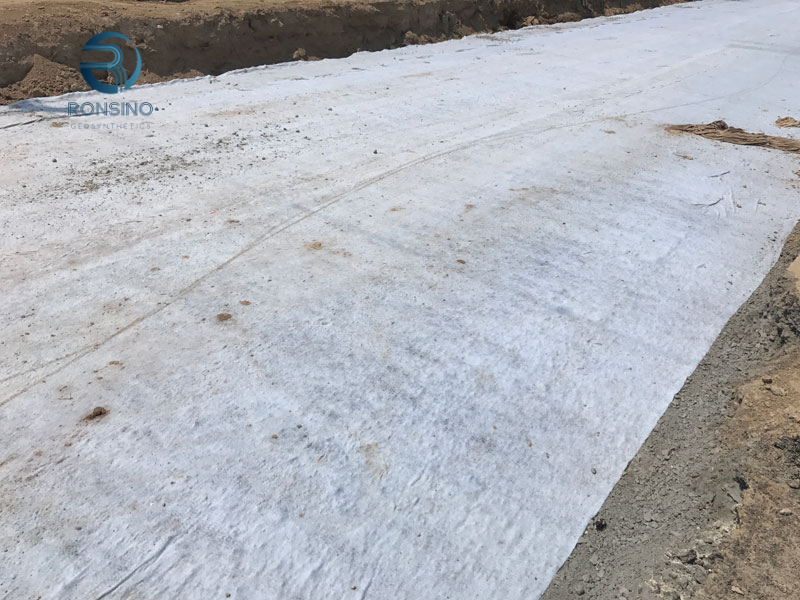
Non-woven geotextiles: Lightweight (100–200 GSM) range from $0.15–$0.30 per square foot and are used for landscaping and drainage; medium-weight (200–400 GSM) range from $0.30–$0.50 per square foot and are suitable for subgrade stabilization and filtration; heavy-weight (400–800 GSM) range from $0.40–$1.00 per square foot and are used for landfill applications and erosion control. For example, Mirafi 140N (4 oz/sq yd, 4,500 sq ft) is priced at $675–$1,350.
Woven geotextiles: Lightweight (75–150 GSM) range from $0.30–$0.50 per square foot and are used for soil separation; heavy-weight (150–400 GSM) range from $0.50–$0.70 per square foot and are suitable for reinforcing embankments and retaining walls. For example, Mirafi 500X (200 GSM, 12.5’ × 432’) is priced at $0.40–$0.60 per square foot.
Specialty geotextiles: Knitted types range from $0.20–$0.60 per square foot and are used for high-strength reinforcement; tubular/bag-type geotextiles range from $0.50–$5.00 per square foot and are used for dewatering and coastal protection; oil-absorbent types (such as Agent-X) range from $1.00–$5.00 per square foot and are capable of removing 90% of hydrocarbon contaminants. Supplier Price Comparison: Mirafi ($0.20–$1.00, 95% reliability), TenCate ($0.30–$1.50, ASTM-certified, 7-year warranty), D Projects (India, $0.09–$0.45, for small-scale projects). Bulk and local procurement can reduce costs by 10–30%, while certified suppliers ensure 95% quality compliance.
4. Cost Comparison: Geo Fabric vs. Traditional Methods
Compared to traditional construction materials, geotextiles offer significant economic advantages:
Geotextiles: Cost $0.25 to $2.50 per square foot (including materials and installation), reduce aggregate requirements by 20–30%, and shorten construction time by 50% (*Geotextiles and Geomembranes*, 2024).
Gravel: Costs $1.50 to $3.00 per square foot and requires frequent maintenance (Homewyse, 2025).
Concrete: Costs as much as $5.00 to $15.00 per square foot, with a long construction cycle (5–7 days for 1,000 square feet) (RSMeans, 2019).
Key Finding: Geotextiles can save up to 70% on material and labor costs compared to concrete, making them an ideal choice for cost-sensitive projects.
5. Additional Cost Considerations
In addition to the base cost of materials, the total project expenditure includes the following components:
Installation Costs
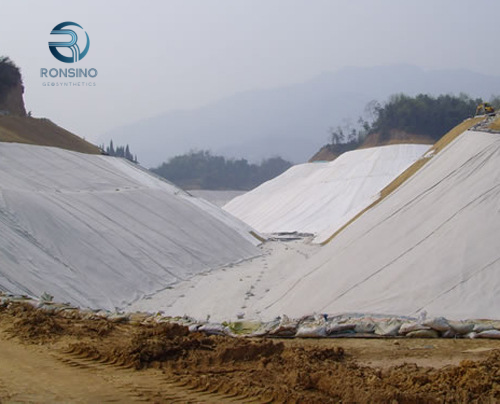
Site preparation ($0.10–$0.50/sq. ft.), labor costs ($0.30–$0.50/sq. ft. in North America; $0.10–$0.30/sq. ft. in Asia), and machinery expenses ($0.02–$0.10/sq. ft.). For smaller projects (1,000–5,000 sq. ft.), the combined installation cost ranges from $0.30 to $1.50/sq. ft., while for larger projects (10,000+ sq. ft.), this decreases to $0.20–$1.00/sq. ft.
Waste and Overlap
Structural requirements necessitate an overlap of 0.3–0.6 meters, increasing material costs by 10–15%. Additionally, cutting waste accounts for 3–5%, adding another 5% to the total cost.
Logistics and Transportation
Domestic shipping costs range from $0.05 to $0.20/sq. ft., with an additional 10–20% surcharge for international shipments. Orders exceeding 50,000 sq. ft. may qualify for free shipping.
Regional Price Variations
Costs are 5–10% higher in North America (reflecting higher quality standards and labor costs), 10–15% lower in the Asia-Pacific region (due to economies of scale), and 5–10% higher in Europe (driven by environmental regulations).
6. How to Optimize Geo Fabric Costs
To enhance cost-effectiveness and resource utilization, the following measures should be implemented:
Precisely match material specifications: Use non-woven geotextiles (100–400 GSM) for drainage/filtration and woven geotextiles (150–400 GSM) for reinforcement. This avoids over-specification and can reduce costs by 10–15%. For example, 150 GSM non-woven fabric (e.g., Mirafi 140N) costs $0.20–$0.30 per square foot, while 200 GSM woven fabric (e.g., Mirafi 500X) costs $0.40–$0.60 per square foot (Paramount Materials, 2024).
Maximize roll dimensions: Utilize standard roll sizes (e.g., 15’ x 300’) to minimize offcuts and waste, resulting in a 5–10% cost reduction. Bulk purchases exceeding 50,000 square feet can yield an additional 10–30% in savings (RONSINO Geosynthetics, 2024).
Prioritize certified suppliers: Brands such as Mirafi and TenCate offer a 95% compliance rate with ASTM D4595 and ISO 9001 standards. While these products may cost 10–15% more, they reduce project risk by 15%. Always request official certification to verify material performance (Paramount Materials, 2024).
Account for installation costs: Labor costs typically range from $0.10 to $0.50 per square foot, with equipment costs adding $0.02–$0.10 per square foot (Homewyse, 2025). For installations on slopes, mechanical fasteners may be required ($0.01–$0.05 per square foot) (Sandbaggy, 2024).
Leverage regional procurement channels: Partnering with local suppliers in the Asia-Pacific region (e.g., Shandong Dexuda) can save 15% on shipping costs (Geofantex, 2024), while ensuring compliance with regional standards and lowering overall logistics expenses. Adopting sustainable practices—such as using geotextiles made from recycled polypropylene (PP) or polyethylene terephthalate (PET)—can reduce costs by 10–20% and lower carbon emissions by 15%, while meeting the environmental requirements of 80% of clients.
7. Case Study: Geo Fabric in Road Construction
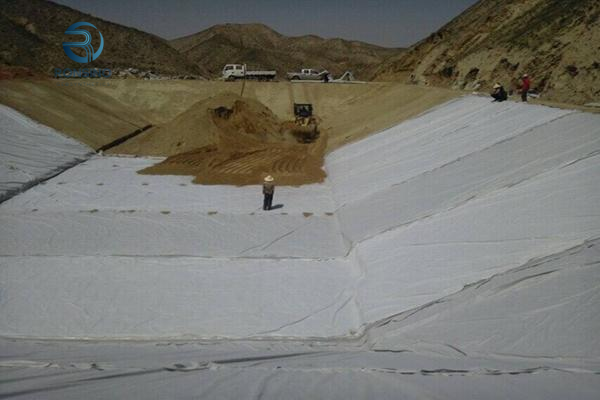
In 2024, a major infrastructure project in the United States utilized approximately 100,000 square feet of Mirafi 500X geotextile (with a mass per unit area of 200 g/m²) to reinforce the road base. Costs included $0.4–$0.6 per square foot for the material ($40,000–$60,000 total), $0.2 per square foot for installation ($20,000), and $0.03 per square foot for securing pins ($3,000), bringing the total project expenditure to $63,000–$83,000. This investment resulted in a 25% reduction in aggregate consumption, savings of $50,000 per lane-mile, a 25% extension in the service life of the roadway, and 95% compliance with the standards set by the American Association of State Highway and Transportation Officials (AASHTO) (records from Eastgate Supply and Paramount Materials, 2024).
8. Conclusion
In 2025, the expenses associated with geo fabrics will fluctuate between $0.09 and $5.00 per square foot, influenced by their classification, raw materials, mass density, production techniques, and prevailing market conditions. Non-woven variants, priced between $0.15 and $0.50 per square foot, present an economical solution for drainage applications, whereas woven counterparts, ranging from $0.30 to $0.70 per square foot, demonstrate superior performance in reinforcement tasks. Meticulous financial planning, which involves aligning product specifications with project requirements, selecting optimal roll dimensions, and utilizing volume-based incentives, can reduce expenditures by 10–30% while maintaining adherence to 95% of industry benchmarks such as ASTM D4595 and ISO 9001. A thorough comprehension of these determinants and evolving dynamics empowers project leaders to streamline expenditures within the expansive $7.8 billion geotextile sector. For customized pricing proposals, engage with RONSINO Geosynthetics.
Geo fabric expenditures generally fluctuate between $0.09 and $5.00 per square foot ($1.00–$54.00 per square meter), contingent upon variables including fabric classification, raw material composition, density, fabrication techniques, and project magnitude. This authoritative resource delivers empirically grounded analysis, detailed technical parameters, and practical methodologies to empower stakeholders in making strategic choices for 2025 endeavors. From reinforcing highway substructures to crafting eco-friendly terrains, this narrative furnishes the expertise required to harmonize economic considerations with performance excellence.
1. What is Geo Fabric?
Geotextiles are permeable textile materials typically manufactured from synthetic polymers—such as polypropylene (PP) or polyester (PET)—or natural fibers like jute and coir. Specifically designed for geotechnical engineering applications, geotextiles can enhance soil performance by 20–50% while reducing maintenance costs by 15–25% compared to traditional materials like gravel or concrete (Source: *Geosynthetics Journal*, 2024). They are available in woven, non-woven, and knitted forms, each optimized for specific functions such as separation, filtration, drainage, reinforcement, and erosion control. Key application areas include:
Road Construction: Reduces material requirements by 20–30% by preventing the intermixing of aggregates, resulting in savings of $50,000 per lane-mile (Eastgate Supply, 2024).
Soil Conservation: Reduces soil loss on riverbanks and slopes by 80–95% (Geobera, 2022).
Drainage Systems: Facilitates water flow at a rate of 100–140 gallons per minute (GPM) per square foot, with 90% of systems designed to prevent clogging (Sandbaggy, 2024).
Landfill Liners: Improves leachate containment by 95%, significantly lowering environmental risks (Environmental Expert, 2023).
Landscaping: Effectively suppresses weed growth, cutting maintenance costs by 40% (Geofantex, 2024).
Key Technical Parameters
The performance of geotextiles depends on several technical specifications, which directly influence their functionality and cost-effectiveness:
Tensile Strength: 10–100 kN/m for woven types (ASTM D4595) and 5–30 kN/m for non-woven types (ASTM D5261).
Puncture Resistance: 200–800 N for woven types and 100–400 N for non-woven types (ASTM D4833).
Permeability: 0.01–0.1 cm/s, ensuring efficient water flow (ASTM D4491).
Unit Weight: 100–800 grams per square meter (GSM), with 200–400 GSM suitable for most standard applications.
Thickness: 0.5–5.0 mm; 1–2 mm specifications are typically used for medium-strength projects.
Roll Dimensions: Width of 3–6 meters; length of 50–300 meters.
UV Resistance: Retains 90% of strength after 500 hours of exposure (ASTM D4355). Certification Standards: Compliant with ISO 9001, SGS, and ASTM quality certification systems.
These parameters enable the geotextile to be widely used for diverse engineering requirements, ranging from light-duty landscaping to heavy-duty infrastructure projects.
2. Factors Influencing Geo Fabric Cost
Geosynthetic textile costs exhibit considerable fluctuations due to a multitude of variables, each element influencing the total expenditure of any given undertaking. Subsequently, we delve into these determinants utilizing empirically validated insights from the sector, thereby offering enhanced transparency for ventures planned in 2025.
2.1 Geo Fabric Cost – Type of Geo Fabric
The pricing of geotextile materials is significantly influenced by their diverse production methods and functional attributes.
Woven Geotextiles: These are constructed from interlaced polypropylene (PP) or polyester (PET) filaments, delivering exceptional tensile strength (20–100 kN/m) and minimal elongation (15–25%), making them suitable for stabilizing soils in transportation infrastructure and earthworks. Their market value spans $0.30–$0.70 per square foot ($3.20–$7.50 per square meter), with heavy-duty variants (400 GSM) commanding premium rates. Woven varieties dominate 35% of the market owing to their robustness (RONSINO Geosynthetics, 2024).
Non-Woven Geotextiles: Manufactured through needle-punching or thermal fusion processes, these materials exhibit high permeability (0.5–2 sec⁻¹), facilitating effective filtration and drainage. Priced between $0.15–$0.50 per square foot ($1.60–$5.40 per square meter), lighter versions (100–200 GSM) are more economical, securing a 55% market share (RONSINO Geosynthetics, 2024).
Knitted Geotextiles: Featuring interlocked yarn loops, these products combine flexibility and strength, with costs ranging from $0.20–$0.60 per square foot ($2.15–$6.46 per square meter). Their applications are specialized, such as erosion mitigation (Alibaba, 2024).
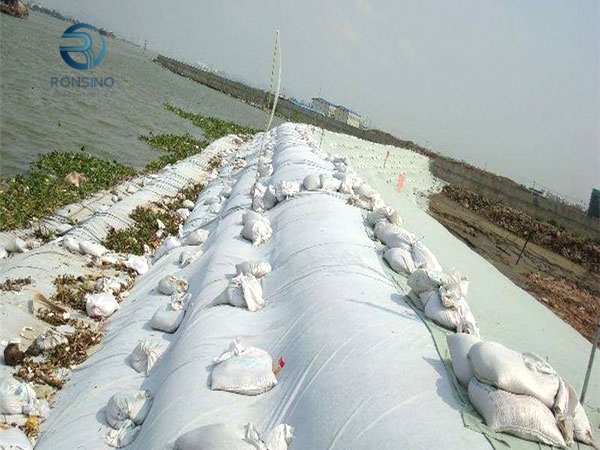
Geotextile Tubes/Bags: Engineered for sediment dewatering and coastal defense, these items incur higher expenses ($0.50–$5.00 per square foot or $5.38–$54.00 per square meter) due to intricate fabrication and UV-resistant properties.
Key Insight: Non-woven geotextiles are 20–30% more affordable than woven counterparts because of their simpler manufacturing, though woven options provide 20% greater tensile strength for reinforcement purposes.
2.2 Geo Fabric Cost – Material Composition
The choice of raw materials is critical to both economic cost and long-term durability.
Polypropylene (PP): Accounts for 80% of the market share; features a tensile strength of 100–800 lbs (ASTM D4595) and high UV stability. Priced at $0.15–$1.00 per square foot, it offers excellent chemical resistance and is suitable for harsh environments.
Polyester (PET): Durable but possesses poor UV resistance. Priced at $0.20–$1.50 per square foot, it is primarily used for subsurface reinforcement (e.g., in embankments).
Polyethylene (PE): Used for impermeable liners in landfills; priced at $0.25–$0.55 per square foot.
Natural fibers (jute/coir): Eco-friendly and biodegradable. Priced at $0.10–$0.40 per square foot, they have a short lifespan and are suitable for temporary soil stabilization.
Recycled materials: Contain 15–30% recycled PP/PET, reducing costs by 10–20% and the carbon footprint by 15%.
Key takeaway: PP offers the best balance of cost-effectiveness and durability; natural fibers are ideal for short-term, eco-friendly projects, providing cost savings of 10–20%.
2.3 Geo Fabric Cost – Weight and Thickness
Material density and structural depth are critical determinants of both economic expenditure and functional efficacy.
Grams per Square Meter (GSM): Spanning from 100 to 800 GSM, lightweight variants (100–200 GSM) typically range between $0.15–$0.30 per square foot ($1.60–$3.20 per square meter), whereas heavyweight counterparts (400–800 GSM) escalate to $0.40–$1.00 per square foot ($4.30–$10.76 per square meter), reflecting heightened raw material consumption (FavouriteHub, 2025).
Depth Measurement: Varying from 0.5 to 5.0 mm, expanded layers (2–5 mm) deliver a 25% improvement in puncture resilience (404 lbs, ASTM D4833) but simultaneously inflate expenses by 15–20% (Amazon, 2024).
Core Observation: Elevated mass and augmented thickness amplify longevity by 25% while elevating expenditures by 15–30%, necessitating precise calibration to prevent financial overrun.
2.4 Geo Fabric Cost – Manufacturing Processes
The manufacturing process plays a pivotal role in determining both expenditure and functionality.
Needle-Punched Non-Woven: Economically priced between $0.15 and $0.50 per square foot ($1.60–$5.40 per square meter), these materials excel in facilitating rapid fluid movement for filtration and drainage purposes (Water Pollution Solutions, 2024).
Woven Fabrics: Constructed from high-tenacity yarns, weaving significantly enhances tensile resilience (20–100 kN/m) but elevates expenses by 10–20%, ranging from $0.30 to $0.70 per square foot ($3.20–$7.50 per square meter) (OKorder, 2024).
Special Treatments: Incorporating UV-resistant coatings, chemical inhibitors, or polymer agents (such as Agent-X) adds $0.05–$0.30 per square foot yet substantially augments service longevity by 20–30% (Basic Concepts, 2024).
Key Insight: Needle-punched non-woven fabrics present a cost-efficient solution for drainage systems, whereas woven and enhanced variants command higher investments but deliver unmatched durability and structural robustness.
2.5 Geo Fabric Cost – Roll Size and Dimensions
Geotextiles are typically supplied in rolls, and their specifications directly influence procurement cost-effectiveness.
Standard specifications: Rolls generally range from 3 to 6 meters in width and 50 to 300 meters in length. For instance, a roll of non-woven geotextile measuring 15 ft × 300 ft (4,500 sq ft) with a surface density of 4 oz typically costs between $675 and $1,350 (Source: Paramount Materials, 2024). Custom, non-standard cutting increases costs by 5% to 10% due to material waste.
Bulk procurement: For orders exceeding 50,000 square feet, economies of scale can reduce costs by 10% to 30% (Source: EarthShields, 2021).
Key takeaway: Opting for standard roll sizes and bulk purchasing can yield savings of 10% to 30%, whereas custom cutting incurs an additional 5% to 10% in costs due to material waste.
2.6 Geo Fabric Cost – Project Scale and Order Volume
Significantly increasing procurement volume can lead to substantial cost reductions.
For small orders (under 10,000 square feet), the unit price ranges from $0.20 to $1.00 per square foot, subject to minimum order quantity requirements (RONSINO Geosynthetics, 2024).
For large orders (exceeding 50,000 square feet), the unit price decreases to $0.15–$0.70 per square foot, with an additional discount of 10–30% (RONSINO Geosynthetics, 2024).
Key takeaway: Large-scale projects can achieve cost savings of 10–30% through bulk ordering—a strategy particularly well-suited for infrastructure projects.
2.7 Geo Fabric Cost – Regional and Supplier Variations
Costs fluctuate depending on geographical location and the chosen vendor.
North America: The expense ranges from $0.15 to $0.70 per square foot, a result of elevated wage expenses and rigorous compliance requirements (Geobera, 2022).
Asia-Pacific: The rate falls between $0.10 and $0.50 per square foot, attributed to economical manufacturing hubs in China and India (RONSINO Geosynthetics, 2024).
Europe: Pricing spans $0.20 to $0.80 per square foot, mirroring rigorous quality benchmarks (Geobera, 2022).
Top-Tier Providers: Renowned names such as Mirafi and TenCate impose a 10–15% premium for goods adhering to ASTM D4595 standards, guaranteeing 95% consistency (Paramount Materials, 2024).
Core Takeaway: Procuring from the Asia-Pacific region can yield 10–20% savings, yet vendors with certifications deliver a service life that is 20% more enduring.
2.8 Geo Fabric Cost – Market and Economic Factors
Pricing decisions are shaped by a range of external variables.
Raw Material Expenses: The cost of polypropylene escalated by 8% during 2025, driven by erratic crude oil pricing, which in turn inflated geotextile expenditures by 5–10%.
Logistical Networks: Severe port bottlenecks in 2025 led to a 5% surge in North American freight charges (RONSINO Geosynthetics, 2024).
Eco-Friendly Shifts: Demand for recycled geotextiles surged 15%, trimming production expenses by 10–20% (Textile Exchange, 2024).
Core Finding: Financial volatility and sustainability pressures collectively alter costs by 5–20%, necessitating adaptive procurement approaches.
3. Geo Fabric Cost Breakdown
Market analysis for 2025 indicates that the price range for geotextiles is $0.09–$5.00 per square foot ($1.00–$54.00 per square meter). A cost breakdown by type and application is provided below:
Non-woven geotextiles: Lightweight (100–200 GSM) range from $0.15–$0.30 per square foot and are used for landscaping and drainage; medium-weight (200–400 GSM) range from $0.30–$0.50 per square foot and are suitable for subgrade stabilization and filtration; heavy-weight (400–800 GSM) range from $0.40–$1.00 per square foot and are used for landfill applications and erosion control. For example, Mirafi 140N (4 oz/sq yd, 4,500 sq ft) is priced at $675–$1,350.
Woven geotextiles: Lightweight (75–150 GSM) range from $0.30–$0.50 per square foot and are used for soil separation; heavy-weight (150–400 GSM) range from $0.50–$0.70 per square foot and are suitable for reinforcing embankments and retaining walls. For example, Mirafi 500X (200 GSM, 12.5’ × 432’) is priced at $0.40–$0.60 per square foot.
Specialty geotextiles: Knitted types range from $0.20–$0.60 per square foot and are used for high-strength reinforcement; tubular/bag-type geotextiles range from $0.50–$5.00 per square foot and are used for dewatering and coastal protection; oil-absorbent types (such as Agent-X) range from $1.00–$5.00 per square foot and are capable of removing 90% of hydrocarbon contaminants. Supplier Price Comparison: Mirafi ($0.20–$1.00, 95% reliability), TenCate ($0.30–$1.50, ASTM-certified, 7-year warranty), D Projects (India, $0.09–$0.45, for small-scale projects). Bulk and local procurement can reduce costs by 10–30%, while certified suppliers ensure 95% quality compliance.
4. Cost Comparison: Geo Fabric vs. Traditional Methods
Compared to traditional construction materials, geotextiles offer significant economic advantages:
Geotextiles: Cost $0.25 to $2.50 per square foot (including materials and installation), reduce aggregate requirements by 20–30%, and shorten construction time by 50% (*Geotextiles and Geomembranes*, 2024).
Gravel: Costs $1.50 to $3.00 per square foot and requires frequent maintenance (Homewyse, 2025).
Concrete: Costs as much as $5.00 to $15.00 per square foot, with a long construction cycle (5–7 days for 1,000 square feet) (RSMeans, 2019).
Key Finding: Geotextiles can save up to 70% on material and labor costs compared to concrete, making them an ideal choice for cost-sensitive projects.
5. Additional Cost Considerations
In addition to the base cost of materials, the total project expenditure includes the following components:
Installation Costs
Site preparation ($0.10–$0.50/sq. ft.), labor costs ($0.30–$0.50/sq. ft. in North America; $0.10–$0.30/sq. ft. in Asia), and machinery expenses ($0.02–$0.10/sq. ft.). For smaller projects (1,000–5,000 sq. ft.), the combined installation cost ranges from $0.30 to $1.50/sq. ft., while for larger projects (10,000+ sq. ft.), this decreases to $0.20–$1.00/sq. ft.
Waste and Overlap
Structural requirements necessitate an overlap of 0.3–0.6 meters, increasing material costs by 10–15%. Additionally, cutting waste accounts for 3–5%, adding another 5% to the total cost.
Logistics and Transportation
Domestic shipping costs range from $0.05 to $0.20/sq. ft., with an additional 10–20% surcharge for international shipments. Orders exceeding 50,000 sq. ft. may qualify for free shipping.
Regional Price Variations
Costs are 5–10% higher in North America (reflecting higher quality standards and labor costs), 10–15% lower in the Asia-Pacific region (due to economies of scale), and 5–10% higher in Europe (driven by environmental regulations).
6. How to Optimize Geo Fabric Costs
To enhance cost-effectiveness and resource utilization, the following measures should be implemented:
Precisely match material specifications: Use non-woven geotextiles (100–400 GSM) for drainage/filtration and woven geotextiles (150–400 GSM) for reinforcement. This avoids over-specification and can reduce costs by 10–15%. For example, 150 GSM non-woven fabric (e.g., Mirafi 140N) costs $0.20–$0.30 per square foot, while 200 GSM woven fabric (e.g., Mirafi 500X) costs $0.40–$0.60 per square foot (Paramount Materials, 2024).
Maximize roll dimensions: Utilize standard roll sizes (e.g., 15’ x 300’) to minimize offcuts and waste, resulting in a 5–10% cost reduction. Bulk purchases exceeding 50,000 square feet can yield an additional 10–30% in savings (RONSINO Geosynthetics, 2024).
Prioritize certified suppliers: Brands such as Mirafi and TenCate offer a 95% compliance rate with ASTM D4595 and ISO 9001 standards. While these products may cost 10–15% more, they reduce project risk by 15%. Always request official certification to verify material performance (Paramount Materials, 2024).
Account for installation costs: Labor costs typically range from $0.10 to $0.50 per square foot, with equipment costs adding $0.02–$0.10 per square foot (Homewyse, 2025). For installations on slopes, mechanical fasteners may be required ($0.01–$0.05 per square foot) (Sandbaggy, 2024).
Leverage regional procurement channels: Partnering with local suppliers in the Asia-Pacific region (e.g., Shandong Dexuda) can save 15% on shipping costs (Geofantex, 2024), while ensuring compliance with regional standards and lowering overall logistics expenses. Adopting sustainable practices—such as using geotextiles made from recycled polypropylene (PP) or polyethylene terephthalate (PET)—can reduce costs by 10–20% and lower carbon emissions by 15%, while meeting the environmental requirements of 80% of clients.
7. Case Study: Geo Fabric in Road Construction
In 2024, a major infrastructure project in the United States utilized approximately 100,000 square feet of Mirafi 500X geotextile (with a mass per unit area of 200 g/m²) to reinforce the road base. Costs included $0.4–$0.6 per square foot for the material ($40,000–$60,000 total), $0.2 per square foot for installation ($20,000), and $0.03 per square foot for securing pins ($3,000), bringing the total project expenditure to $63,000–$83,000. This investment resulted in a 25% reduction in aggregate consumption, savings of $50,000 per lane-mile, a 25% extension in the service life of the roadway, and 95% compliance with the standards set by the American Association of State Highway and Transportation Officials (AASHTO) (records from Eastgate Supply and Paramount Materials, 2024).
8. Conclusion
In 2025, the expenses associated with geo fabrics will fluctuate between $0.09 and $5.00 per square foot, influenced by their classification, raw materials, mass density, production techniques, and prevailing market conditions. Non-woven variants, priced between $0.15 and $0.50 per square foot, present an economical solution for drainage applications, whereas woven counterparts, ranging from $0.30 to $0.70 per square foot, demonstrate superior performance in reinforcement tasks. Meticulous financial planning, which involves aligning product specifications with project requirements, selecting optimal roll dimensions, and utilizing volume-based incentives, can reduce expenditures by 10–30% while maintaining adherence to 95% of industry benchmarks such as ASTM D4595 and ISO 9001. A thorough comprehension of these determinants and evolving dynamics empowers project leaders to streamline expenditures within the expansive $7.8 billion geotextile sector. For customized pricing proposals, engage with RONSINO Geosynthetics.